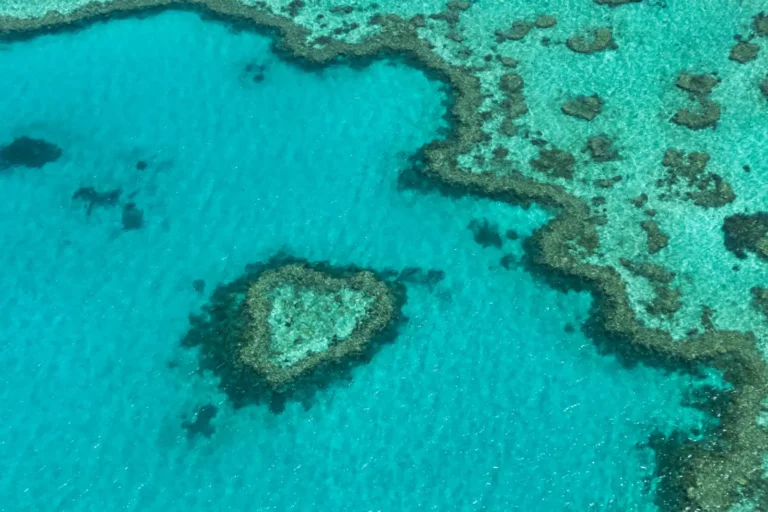
Marine protected areas exist in pockets around the world – some well-marked, others barely visible from the water. I’ve spent enough time around coral reefs, seagrass beds, and coastal reserves to understand that the line between respecting these boundaries and crossing them is often thinner than it appears on a map. The difference between a thriving reef and a degraded one usually comes down to whether people actually follow the rules, not whether the rules exist.
When you arrive at a protected area, the first thing you notice is often the lack of visible enforcement. There’s rarely a ranger boat circling or a guard at the entrance. This absence of authority can feel like permission, but it’s usually just logistics. Many protected areas operate on limited budgets, and the real enforcement happens through community awareness, local guides who care about their livelihoods, and travelers who understand why the boundaries matter.
Understanding What the Boundaries Actually Protect
The boundaries of a marine protected area aren’t arbitrary lines drawn by bureaucrats. They’re usually placed where something specific needs recovery or where damage happens fastest. A no-take zone – where fishing is prohibited – might protect breeding grounds for fish that feed the local community outside the reserve. A no-anchor zone prevents boats from dragging chains across seagrass meadows that look like underwater grass fields but function as nurseries for juvenile fish and seahorses.
I’ve seen the difference between a protected reef and an unprotected one on the same island. The protected side had fish in sizes you rarely see anymore – groupers the size of a small dog, snappers that didn’t scatter immediately when you approached. The unprotected side, just a few hundred meters away, had mostly small fish and noticeably fewer species. The boundary wasn’t keeping you out for the sake of exclusion. It was keeping the reef functional.
The most common protected zones you’ll encounter as a traveler are coral reef reserves in Southeast Asia, the Caribbean, and the Indo-Pacific. Many also protect mangrove areas, seagrass beds, and nesting beaches for sea turtles. Each has different rules. Some allow snorkeling but prohibit diving. Others allow both but ban anchoring. A few restrict visitor numbers entirely. Reading the actual regulations before you arrive matters more than you’d think, because what you’re allowed to do varies significantly between locations.
The Practical Reality of Staying Within Boundaries
If you’re snorkeling or diving in a protected area, the boundary usually exists underwater, which means you can’t see it. This is where a competent local guide becomes essential. A guide who knows the area intimately can keep you in the permitted zone without you having to constantly check coordinates on your phone. The best guides I’ve worked with didn’t lecture about conservation – they simply steered the group naturally away from sensitive areas and toward the healthiest parts of the reef.
Anchoring is where most casual travelers accidentally violate boundaries. If you’re on a boat tour or private charter, confirm with the operator where they’re anchoring. Some boats use moorings – fixed buoys designed to prevent anchor damage – but not all protected areas have them. If the boat drops anchor in a seagrass bed or over coral, you’re participating in damage even if you’re not directly touching anything. This happens more often than it should, usually because the operator doesn’t know the exact boundary or doesn’t prioritize it.
The timing of your visit affects how much you’ll notice the boundaries. Early morning visits to popular reefs often mean fewer boats and clearer water, but you might encounter restrictions on group size or entry times. Peak afternoon hours bring crowds, which means more people potentially straying into restricted zones. I’ve noticed that the most crowded times – usually midday when multiple tour boats arrive simultaneously – are also when guides seem most stretched and boundaries become harder to enforce.
What Happens When Boundaries Are Ignored
Damage from boundary violations accumulates slowly and then suddenly becomes visible. A reef that’s had boats anchoring on it for years shows coral rubble, broken branches, and algae growth where there should be living polyps. Fish populations decline because their habitat deteriorates and because fishing pressure increases in unprotected areas when people assume the reserve isn’t working. Seagrass beds get scarred by propellers, and the scars take years to heal.
I’ve returned to reefs I visited five years earlier and barely recognized them. Not because of climate stress alone, but because the boundaries had eroded through casual disregard. Guides who used to keep groups strictly within zones started taking shortcuts. Boat operators stopped using moorings. Local enforcement capacity, never strong to begin with, weakened further. The reef didn’t collapse overnight, but it degraded in ways that were unmistakable if you’d seen it before.
The consequence for travelers who violate boundaries is usually nothing immediate. You might not get fined. You might not get stopped. But the cumulative effect of thousands of travelers making the same small violations is what kills protected areas. This is why personal responsibility matters more in marine conservation than in most other travel contexts. You’re not just following a rule because an authority told you to. You’re making a choice about whether the reserve functions or fails.
Practical Steps for Respecting Boundaries
Before you book a tour or visit a protected area, spend ten minutes finding the actual regulations. Most marine protected areas have websites or information sheets available through local tourism offices. Know what’s allowed and what isn’t. If you’re hiring a private guide or boat, confirm they understand the boundaries and have a track record of respecting them. Ask directly: “Where exactly are we allowed to go?” and “Do you use moorings or anchors?”
If you’re snorkeling independently, use a GPS app that shows protected area boundaries. Several free apps map these zones. Stay within the permitted area, and if you’re uncertain about where a boundary lies, ask locals. Fishermen and boat operators know these boundaries intimately because their livelihoods depend on them. They can usually point you in the right direction.
When you’re in the water, the rule is simple: look but don’t touch, and stay on the path your guide indicates. Coral breaks easily, and even brushing against it with your fin can cause damage. If you’re diving, maintain good buoyancy control so you’re not sinking onto the reef. If you’re snorkeling, wear reef-safe sunscreen and avoid walking on shallow coral areas, even if the water is clear enough to see the bottom.
For boat-based visits, confirm the anchoring location before the boat drops anchor. If you see the crew preparing to anchor over coral or seagrass, ask them to use a mooring instead or to relocate. Most operators will accommodate this request if you ask respectfully. They’re not trying to damage the reef – they’re often just following habit or unaware of the exact boundary.
The Difference Between Rules and Reality
Protected areas work best when the people who live near them benefit from them. A fishing community that sees tourists spending money to visit a protected reef has incentive to enforce boundaries. A community that sees no benefit from protection has little reason to care. This is why some reserves thrive and others exist only on paper. The boundary matters less than whether local people are invested in maintaining it.
When you visit a protected area, you’re part of that economic equation. Your presence, your spending, your respect for boundaries – these things signal to local communities that the reserve has value. Conversely, disrespecting boundaries sends the message that protection doesn’t matter, which erodes local support for enforcement. This sounds abstract until you’ve seen it happen. I’ve watched protected areas transform from well-maintained reserves to degraded zones as tourism increased but respect for boundaries decreased.
The boundaries of marine protected areas aren’t obstacles to your experience. They’re the infrastructure that makes the experience worth having. A reef with no restrictions is usually a reef that’s already been damaged. A reef with clear boundaries and active respect for them is a reef where you’ll see the most life, the clearest water, and the most intact ecosystem. The restriction is what creates the value.