As darkness falls, Red Sea reefs transform. Nocturnal predators emerge, daytime residents retreat to shelter, and entirely different ecological dynamics come into play. Night diving reveals the reef’s hidden face.
Night Dive Preparation
Night diving requires specific equipment and skills: primary and backup lights (no exceptions), reflective surface markers for navigation, compass or underwater GPS for orientation, dive buddy system mandatory, relaxed pace—no rushing in darkness, and clear hand signals for communication.
Nocturnal Marine Life Behaviour
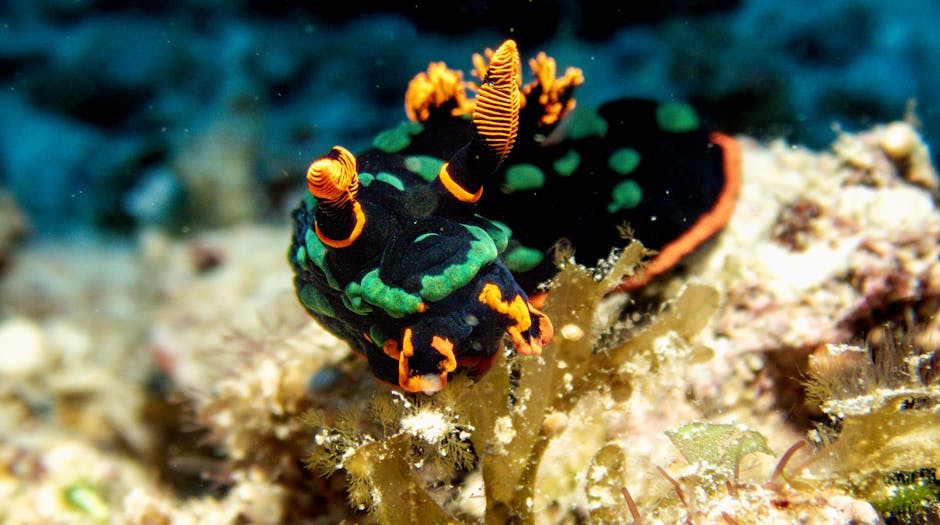
Most reef fish are diurnal—active during the day, sheltering at night. As darkness descends, these fish retire to crevices. Simultaneously, nocturnal species emerge: octopuses hunt at night, lobsters emerge from daytime shelters, squid hunt in coordinated groups, and nudibranchs feed on coral polyps.
Bioluminescence
Some organisms produce light through chemical reactions. Dinoflagellates create “blue fire” when disturbed. Some crustaceans and small fish possess bioluminescent organs used for communication and hunting.