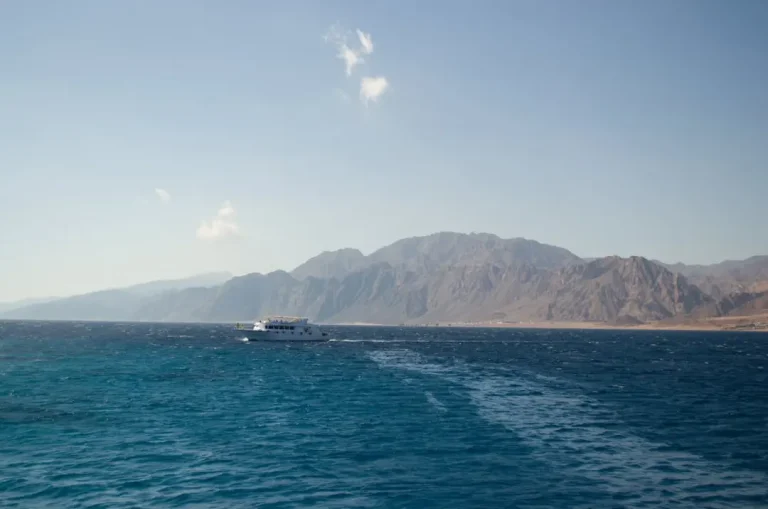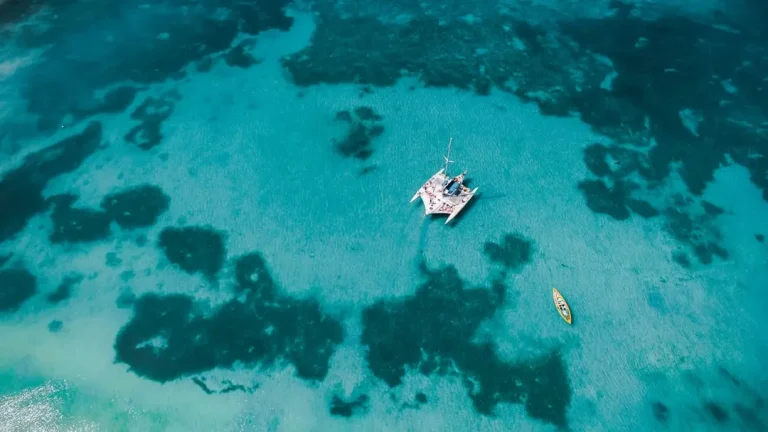
The Great Barrier Reef sits about an hour’s boat ride northeast of Cairns, depending on which charter operator you choose and which section of reef they’re heading toward that day. Most combined fishing and snorkelling charters depart early – usually between 7 and 8 in the morning – which means being at the marina before dawn if you want to avoid the scramble for deck space and gear. The water at that hour is often glassy and calm, especially during the dry season from May through October. By midday, the wind picks up noticeably, and the ride back can feel considerably rougher than the journey out.
What strikes you first about these charters is how they operate as a genuine split experience rather than a seamless blend. You’re not fishing while snorkelling or snorkelling while fishing. Instead, the boat moves between fishing grounds and reef sections, and passengers rotate between activities or choose which they prefer. Some people fish for the entire trip. Others skip the fishing entirely and focus on the reef. The crew accommodates both approaches, though there’s a practical rhythm to how the day unfolds.
The Fishing Component
The fishing itself tends to be straightforward and accessible, even for people who’ve never held a rod. Most charters target species like coral trout, emperor, and mackerel – fish that are present year-round but bite more reliably during certain tidal windows. The crew will position the boat over known marks, hand you a rod with a lure or live bait already rigged, and explain what to do. It’s not complicated. You cast, reel, and feel for the strike. When fish are active, you’ll get bites within minutes. When they’re not, you’ll stand there for extended periods doing nothing.
The reality of reef fishing is that it’s inconsistent. Some days the bite is ferocious. Other days, particularly during midday hours when the sun is high and the water temperature shifts, the fish simply stop feeding. The crew knows this. They’ll move the boat to different marks, adjust depths, or switch to different lure colours. This isn’t failure on their part – it’s just how fishing works on a reef. You might spend two hours catching nothing, then suddenly land three fish in ten minutes.
One thing that surprises people is how tiring fishing can be, even when nothing’s happening. Holding a rod for extended periods, especially if you’re not accustomed to it, creates fatigue in your shoulders and forearms. The boat’s motion compounds this. If there’s any swell running, you’ll feel it more acutely while standing and concentrating on a rod tip than you will sitting down relaxing.
Snorkelling the Reef
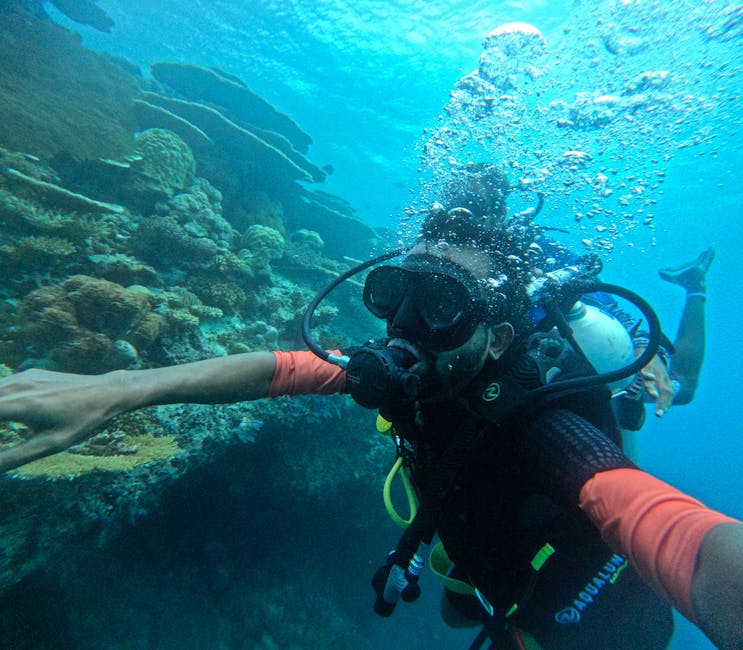
The snorkelling sections are where the charter justifies its dual-activity positioning. The crew will move to shallower reef areas, usually between 5 and 12 metres deep, and you’ll enter the water in groups. Water visibility varies significantly depending on the season and recent weather. During the dry season, you might see 20 metres or more. During the wet season or after heavy rainfall, visibility can drop to 8 or 10 metres. Even reduced visibility is usually adequate for seeing coral structures and fish, but it changes the experience noticeably.
The reef itself feels crowded in a way that’s hard to convey until you’re actually there. The Great Barrier Reef is one of the world’s most visited natural attractions, and the snorkelling sections are well-established and popular. You’ll rarely be alone in the water. On busy days, you might find yourself snorkelling alongside 30 or 40 other people from your boat, plus passengers from other vessels. This doesn’t ruin the experience, but it does shape it. Fish behaviour changes when there are many people in the water. Larger species tend to stay deeper or move away. Smaller reef fish are more visible and less wary.
The coral itself is variable. Some sections show healthy branching corals and dense fish populations. Other areas display bleaching damage or areas recovering from previous stress. The reef is not uniformly pristine. If you’re expecting a pristine underwater garden, you’ll see that in some places. You’ll also see degraded sections, areas with dead coral, and zones where the ecosystem is visibly stressed. This is the actual reef, not the postcard version.
Practical Realities of the Day
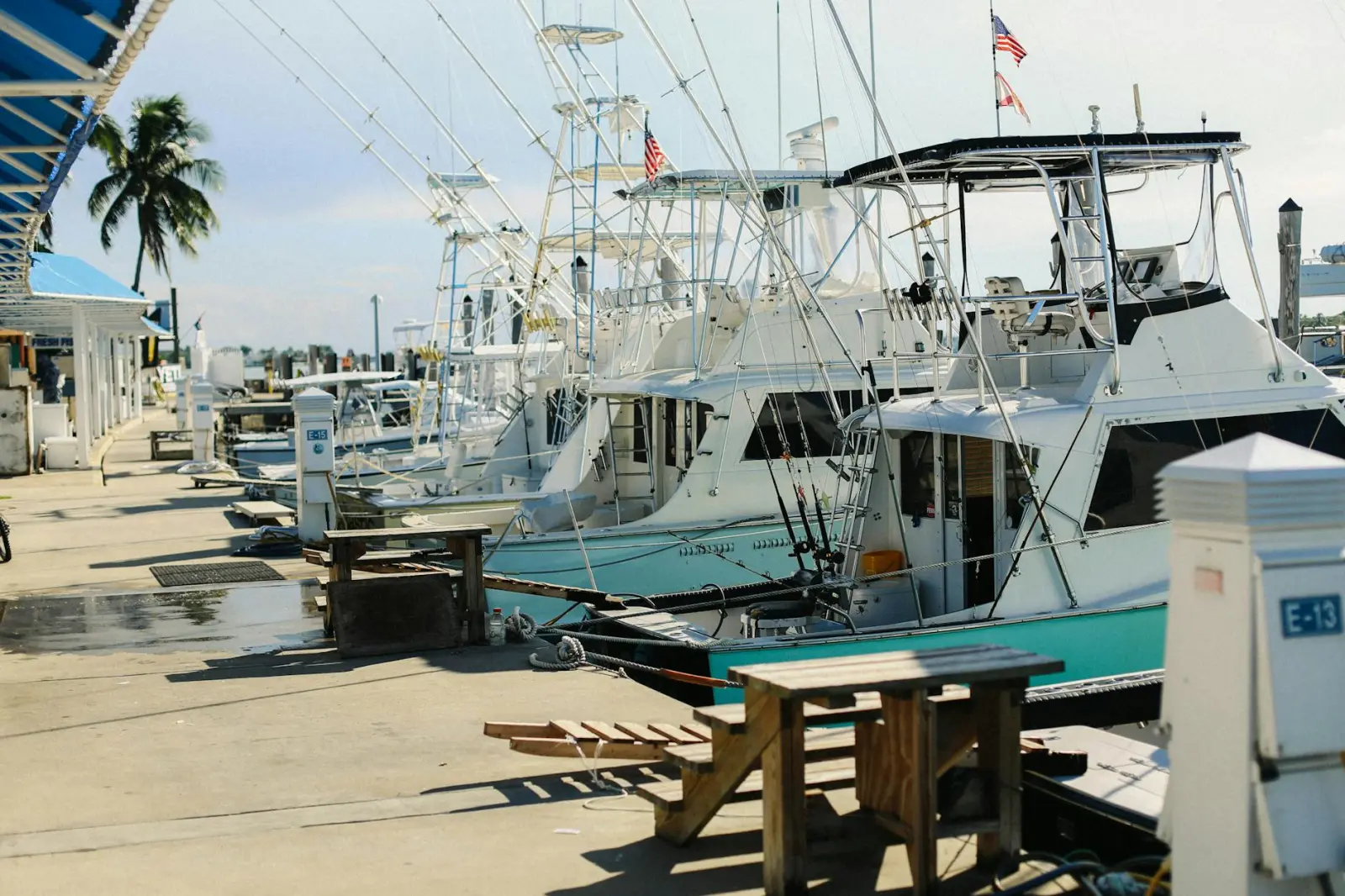
The boat itself matters more than you’d think. Larger vessels with 40 or 50 passengers offer more stability and facilities but create more crowding and longer waits for snorkelling entries and exits. Smaller boats with 15 to 20 passengers feel more intimate and move faster between spots, but they can be rougher in any swell. Most charters operate medium-sized boats that balance these factors reasonably well.
Seasickness is a genuine consideration. Even people who rarely get motion sickness can feel queasy on the reef. The boat is constantly moving, and the combination of early departure, early morning food, and the boat’s motion affects people differently. Medication taken before departure helps significantly. Eating a light breakfast rather than a heavy one makes a difference. Staying on deck in fresh air rather than below deck reduces symptoms. The crew has seen it all and won’t judge you if you need to sit down for an hour.
Sunburn is the other major physical reality. You’re on open water with minimal shade for 6 to 8 hours. Reef boats have some covered areas, but they’re limited. Sunscreen needs to be reapplied frequently, especially if you’re in and out of the water. Many experienced reef visitors wear rash guards or wetsuits not for warmth but for sun protection. The water temperature on the reef is usually warm enough that you don’t need a wetsuit for thermal reasons, but the sun exposure is relentless.
Timing and Seasonal Patterns
The dry season from May to October offers the most reliable conditions. The water is calmer, visibility is generally better, and the weather is more predictable. Charters run more frequently and are less likely to be cancelled. The wet season from November to April brings warmer water but also higher rainfall, reduced visibility, and rougher seas. Some operators reduce their reef trips during this period or adjust their routes to more protected sections.
The time of year also affects which fish species are present and feeding. Mackerel are more abundant during certain months. Coral trout bite better during specific seasons. The crew will know this and adjust their approach accordingly. If you’re visiting during a particular month, asking the operator what the fishing is typically like during that period gives you realistic expectations rather than hoping for conditions that might not align with the season.
Most charters return to port by 3 or 4 in the afternoon. By that point, you’ll have been on the water for 6 to 8 hours. You’ll be tired, sun-exposed, and ready to be off the boat. The ride back is often rougher than the morning departure, particularly if afternoon wind has picked up. Many people sleep on the return journey or sit quietly recovering from the day’s exertion and sun exposure.
The experience of combining fishing and snorkelling on the reef works best if you approach it without rigid expectations. Some days the fishing is excellent and the snorkelling is secondary. Other days the snorkelling is the highlight and the fishing is incidental. The reef itself is variable – sometimes stunning, sometimes ordinary, sometimes showing visible signs of environmental stress. The boat ride is tiring, the sun exposure is intense, and the day is long. But if you’re genuinely interested in both fishing and reef exploration, and you understand that neither will be perfect on any given day, these charters offer a legitimate way to experience the reef beyond the standard snorkelling-only tours that dominate the market.