The decision between a glass bottom boat tour and a liveaboard reef cruise often comes down to a single question travelers don’t always ask upfront: how much time do you actually want to spend on the water? This distinction matters far more than marketing materials suggest, because the two experiences sit at opposite ends of the spectrum in terms of commitment, physical demands, and what you’ll realistically see.
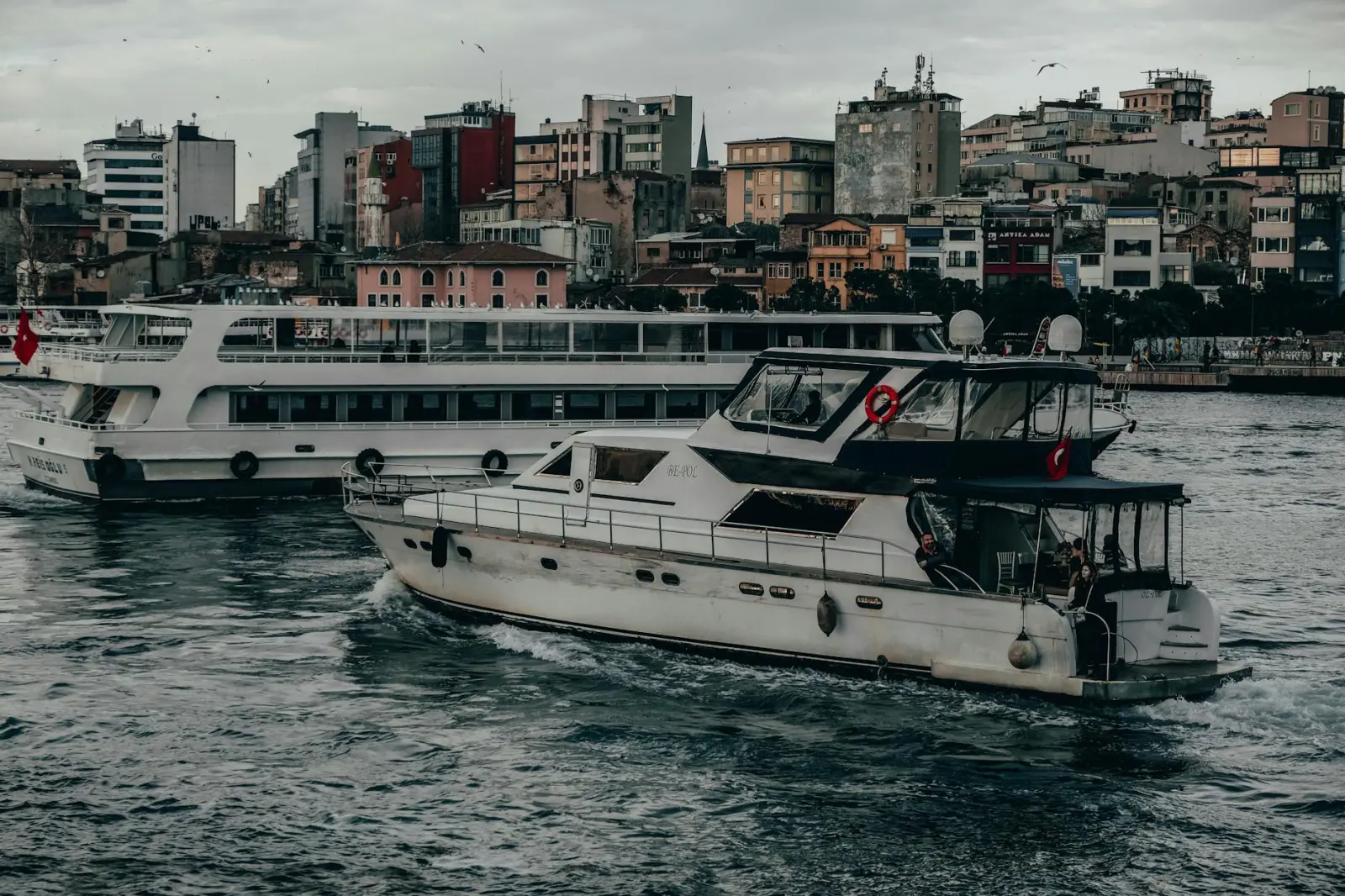
Glass bottom boats are the casual option. You board in the morning, spend two to four hours drifting over shallow reefs, and return to shore by afternoon. The boat sits low in the water, and the glass panels built into the hull let you watch fish and coral formations without getting wet. It’s passive observation. You’re comfortable, dry, and back on land in time for dinner. This matters if you’re traveling with people who get seasick, or if you have limited vacation time, or if you’re simply not interested in the full immersion that reef diving requires.
Liveaboards are a different animal entirely. You board in the afternoon, sleep on the boat, and spend the next three to seven days moving between dive sites. You’re eating, sleeping, and working in a confined space with the same group of people. The boat rocks at night. The shower is small. You’re wet most of the day, and the rhythm of your life becomes tidal – governed by sunrise, dive schedules, and the movement of the ocean itself.
The Reality of Glass Bottom Boat Tours
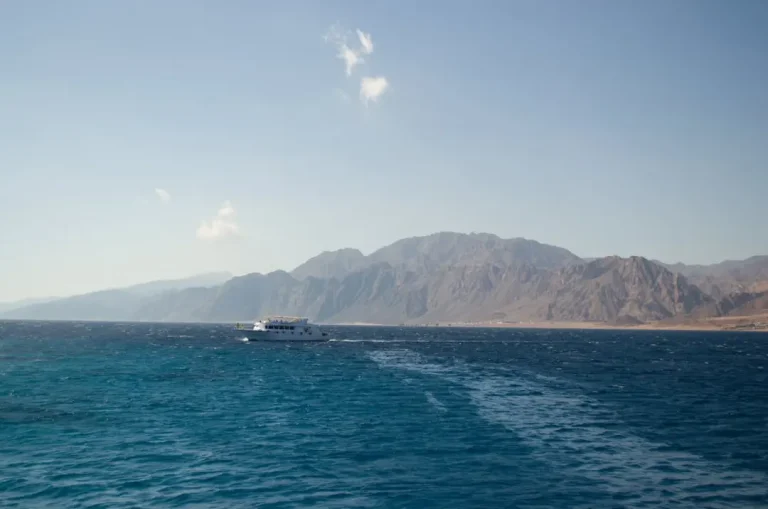
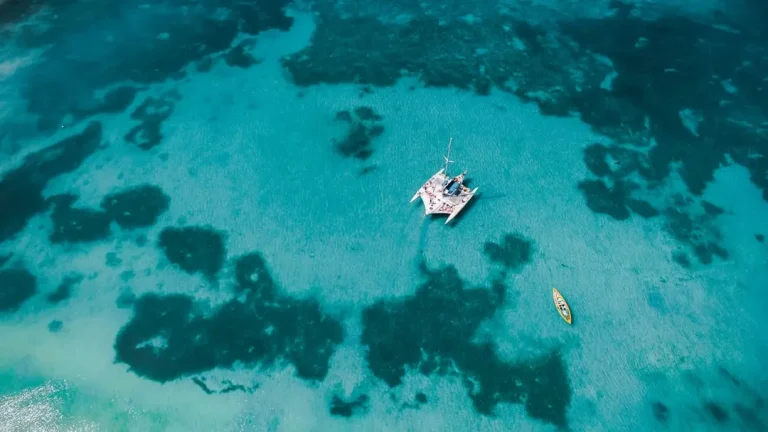
Glass bottom boats work best in areas with shallow, healthy coral reefs where you don’t need to descend more than thirty or forty feet to see something worthwhile. The Caribbean, the Red Sea, and parts of Southeast Asia have established glass bottom boat operations because the reef systems are close enough to shore and shallow enough to make the experience viable.
What you’ll see depends entirely on the time of day and the season. Early morning visits tend to have clearer water and more active fish. By mid-morning, the water can turn murky as afternoon winds kick up sediment. If you’re visiting during peak season – roughly December through March in the Caribbean – you’ll share the boat with thirty to fifty other tourists. The glass panels fog up. People jostle for position. You spend half your time waiting for a clear view rather than actually observing.
The advantage is simplicity. You don’t need certification. You don’t need to be a strong swimmer. You don’t need to acclimate to pressure changes or manage breathing underwater. You can bring elderly relatives, young children, or anyone who wants to see a reef without the technical demands of diving. The boat operates on a fixed schedule, so logistics are straightforward. You know exactly when you’ll be back and what the cost will be.
The limitation is perspective. You’re looking down through glass at a two-dimensional view of a three-dimensional ecosystem. You can’t move closer to something interesting. You can’t explore a crevice or follow a fish into deeper water. You’re watching marine life from a distance, which is fine for getting a sense of what’s there, but it’s not the same as being in the environment itself.
Liveaboard Reefs: Immersion and Fatigue
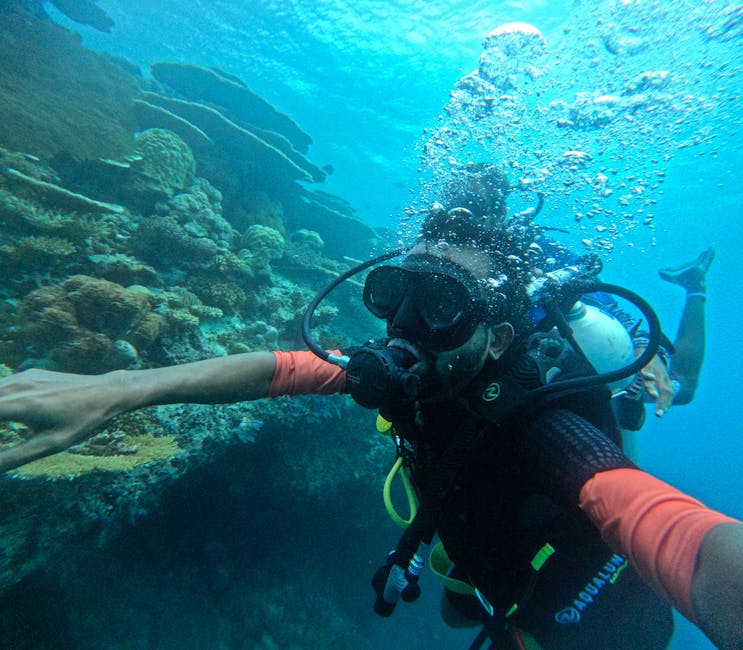
Liveaboards demand that you commit to diving as your primary activity. Most liveaboards operate in deeper waters – the Maldives, the Galápagos, the Great Barrier Reef, the Palau – where the reef systems are more complex and the marine life is more diverse. You’ll typically do four to five dives per day, which means you’re underwater for roughly four to five hours total, plus the time spent gearing up, descending, ascending, and decompressing between dives.
This is physically demanding. Your body is working against water pressure, your muscles are engaged constantly, and you’re breathing compressed air. By day three or four, fatigue accumulates. Your legs feel heavy. Your shoulders ache from carrying the tank. You’re tired in a way that’s different from land-based tiredness – it’s a deep, systemic fatigue that comes from sustained exertion in an alien environment.
The compensation is access. You’re diving at dawn when the reef is quietest and the light is best. You’re visiting sites that day boats can’t reach because they’re too far offshore or require too much travel time. You’re seeing sharks, rays, groupers, and species that only appear in deeper water or at specific times of day. You’re moving through the reef in three dimensions, not watching it from above. The experience is immersive in a way that glass bottom boats simply cannot match.
Liveaboard boats vary dramatically in quality and comfort. Some are genuinely comfortable – newer vessels with private cabins, good food, and efficient operations. Others are cramped, poorly maintained, and run by operators who prioritize dive numbers over diver experience. The difference between a good liveaboard and a poor one is enormous, and it’s not always reflected in the price. Research matters here. Read recent reviews from actual divers, not tourism websites. Ask specific questions about cabin size, food quality, and the number of divers per guide.
Timing and Seasonal Patterns
Both glass bottom boats and liveaboards are affected by seasons, but in different ways. Glass bottom boats operate year-round in most locations, but water clarity and marine life activity vary. In the Caribbean, the clearest water typically occurs in late summer and early fall, though this is also hurricane season. Winter brings cooler water and more active fish, but also rougher seas that can make the boat ride uncomfortable.
Liveaboards are often seasonal because they operate in specific regions with distinct weather windows. The Galápagos has a peak season from June to August and December to January. The Maldives is best from November to March. The Red Sea is ideal from March to May and September to November. Outside these windows, water temperatures drop, visibility decreases, or weather makes diving unsafe. If you’re considering a liveaboard, you’re already thinking about when to go. With glass bottom boats, you have more flexibility.
Cost and What You’re Actually Paying For
Glass bottom boat tours typically cost between thirty and eighty dollars per person for a half-day or full-day experience. You’re paying for the boat, the fuel, the crew, and access to the reef. It’s a straightforward transaction. You get what you see in the time allocated.
Liveaboards range from three hundred to five hundred dollars per day for budget operations to over a thousand dollars per day for premium vessels. You’re paying for accommodation, meals, diving instruction, guides, fuel, and the logistics of moving between sites. A seven-day liveaboard costs between two thousand and seven thousand dollars, depending on the region and the boat. That’s a significant investment, and it requires vacation time, certification, and genuine interest in diving.
The cost difference reflects a fundamental shift in what you’re buying. A glass bottom boat is a tour. A liveaboard is a way of life, temporarily. You’re not just paying for access to the reef; you’re paying to live differently for a week, to be part of a small community of divers, to experience the ocean on its own schedule rather than yours.
The Question of Marine Life Encounters
One assumption travelers make is that liveaboards guarantee better marine life encounters. This isn’t always true. Liveaboards do visit more sites and spend more time in the water, which increases your odds of seeing larger animals like sharks, manta rays, or sea turtles. But marine life is unpredictable. A liveaboard in the Maldives might have excellent shark encounters one week and see very few the next. Glass bottom boats in shallow reefs often see abundant fish and coral, even if they don’t encounter large pelagic species.
What you see also depends on your expectations. If you’re hoping for dramatic encounters with large predators, a liveaboard gives you better odds. If you’re interested in coral health, fish behavior, and the structure of the reef ecosystem, a glass bottom boat in a well-maintained shallow reef can be equally rewarding. The difference is depth and scale, not necessarily richness.
Physical fitness matters more than people expect. On a glass bottom boat, you sit. On a liveaboard, you’re constantly moving – descending and ascending, swimming against currents, managing buoyancy in three dimensions. If you’re not a strong swimmer or if you have mobility limitations, a liveaboard is more challenging. This isn’t a judgment; it’s a practical reality that affects comfort and safety.
The choice between glass bottom boats and liveaboards isn’t really about which is better. It’s about what kind of traveler you are and what you want from the experience. Glass bottom boats suit people who want a casual reef experience without technical demands or significant time commitment. Liveaboards suit people who are willing to be uncomfortable, tired, and confined for the sake of deeper immersion in a marine environment. Both have value. The key is being honest about which one actually fits your travel style, your physical capacity, and your time available.