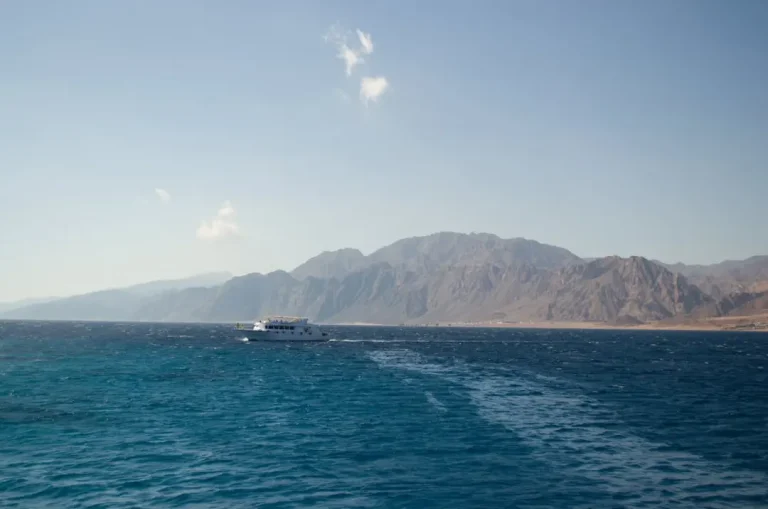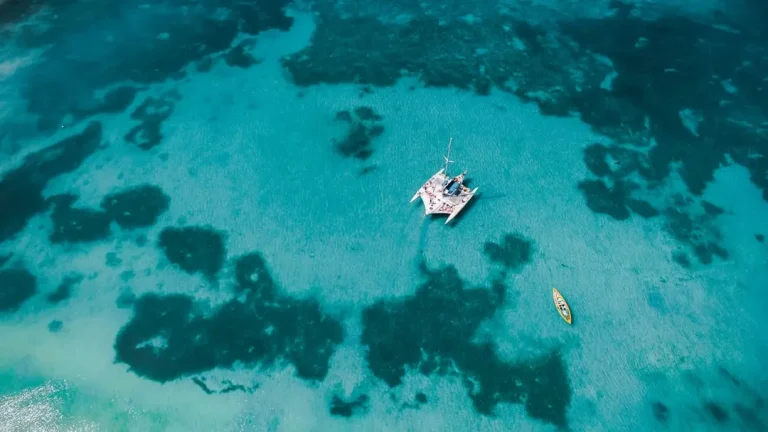
At some point in the afternoon, after the day-trippers have boarded their catamaran and begun the 90-minute journey back to Cairns, the reef pontoon does something unexpected. It gets quiet. The family groups and the tour groups and the Japanese honeymoon couples with their underwater cameras all go home, and you – along with perhaps eight or ten other guests who’ve paid considerably more for this privilege – are left alone on the outer Great Barrier Reef as the sun starts to fall toward the Coral Sea.
The Reef Sleep experience is a specific product operated by a small number of Cairns-based companies. It involves spending the night on a permanently moored reef pontoon, 70-plus kilometres from the coast, with access to the reef at dawn before the first day-trip boats arrive. It costs between $1,400 and $2,000 per person depending on the operator and the package. I spent several days wrestling with whether that number was justifiable. I’m going to try to answer that honestly.
What the Evening Looks Like
After the day crowd departs, the remaining guests have the platform entirely to themselves. The pontoon crew serves a gourmet dinner – the catering is genuinely ambitious for a floating structure 70 kilometres from the nearest kitchen, and operators have clearly invested in this detail. The evening meal I had included coral trout caught by the crew earlier in the week, a pasta course, and dessert eaten under a southern hemisphere sky so undiluted by light pollution that the Milky Way looked less like an astronomical feature and more like a weather system.
Night snorkelling is available for those who want it. Reef snorkelling after dark is a fundamentally different experience from the daylight version – bioluminescent plankton makes every movement of your hands glow faintly blue, parrotfish sleep in mucus cocoons attached to the coral, and the animals that spend the day in the reef’s crevices emerge in extraordinary numbers. I’ve done night snorkelling in a dozen locations and the outer reef at night is unlike anything else.
The Dawn Dive
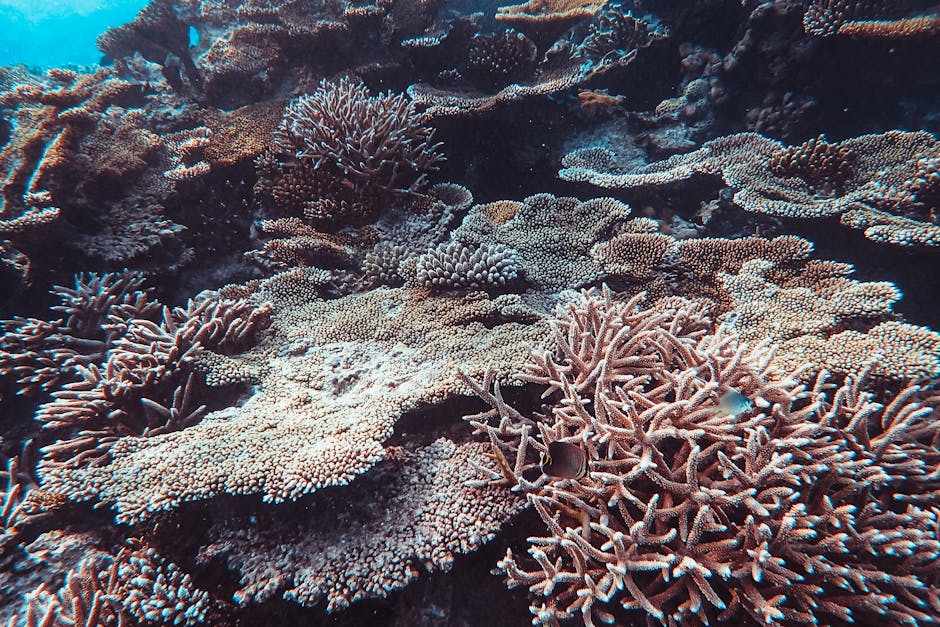
The real justification for the overnight premium is the dawn. First light over the outer reef, before any other boats have made the journey out, is a rare thing. The water temperature is lowest and clearest before the sun warms the surface layer. The fish behaviour at dawn – feeding, displaying, the reef beginning its daily rhythm – is something day-trippers never see because it’s over before they arrive.
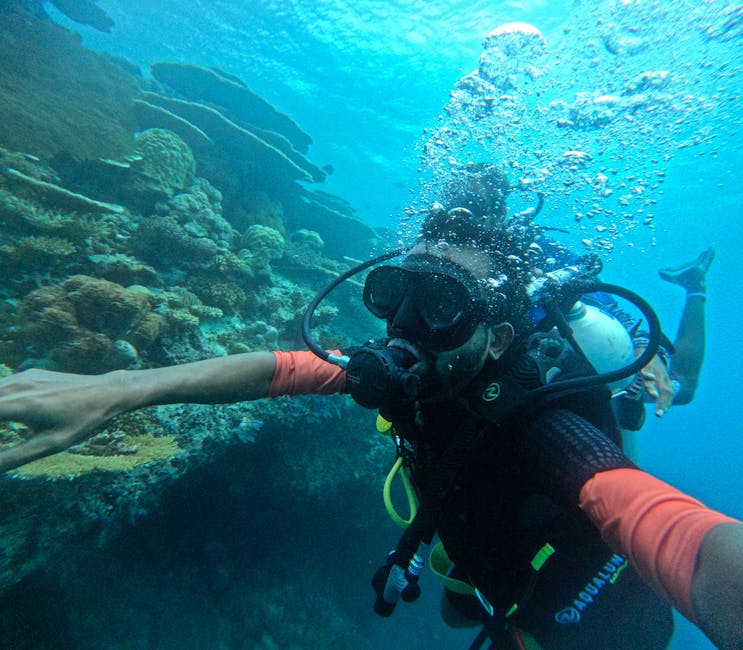
The overnight package typically includes an early morning dive or snorkel, often at first light while the reef is still waking up. This alone, if you’re a diver or serious snorkeller, can justify the price against a standard day trip plus a liveaboard night. You’re getting outer reef access at a time and in conditions that day operations fundamentally cannot provide.
The Honest Assessment
Is the Reef Sleep worth the cost? For couples celebrating something, for photographers who want dawn and dusk light on the outer reef, for divers who want those first-light dive conditions – yes, I think it is. The combination of the evening quiet, the night snorkelling, the gourmet dinner, and the dawn access adds up to an experience that’s genuinely distinct from anything else on the reef.
For anyone whose primary interest is maximum snorkelling time rather than the experience itself, a liveaboard that carries 20 divers for three days covers more reef, makes more dives, and costs less per day. The Reef Sleep is not competing with liveaboards for the serious diving market. It’s competing for the experience market – people who want something luxurious, unusual, and memorable that doesn’t require certification or a three-day commitment.
What it is, unambiguously, is one of the most unusual nights you can spend in Australia. The reef at 3am, with no lights visible in any direction except stars, waves barely moving the pontoon, the occasional sound of something large surfacing near the edge of the platform – that’s a thing that happened to me and I haven’t entirely processed it yet.
Booking and Practicalities
Reef Sleep packages must be booked well in advance, particularly for the premium July to September period when conditions are best. Packages include meals, snorkelling equipment, and guided activities. Diving is usually available as an add-on for certified divers. Check what the cancellation policy looks like for weather days – the outer reef is exposed, and some nights the decision to stay aboard is made for you by the Coral Sea.