A liveaboard changes your relationship with the ocean in ways that are difficult to anticipate until you’ve done one.
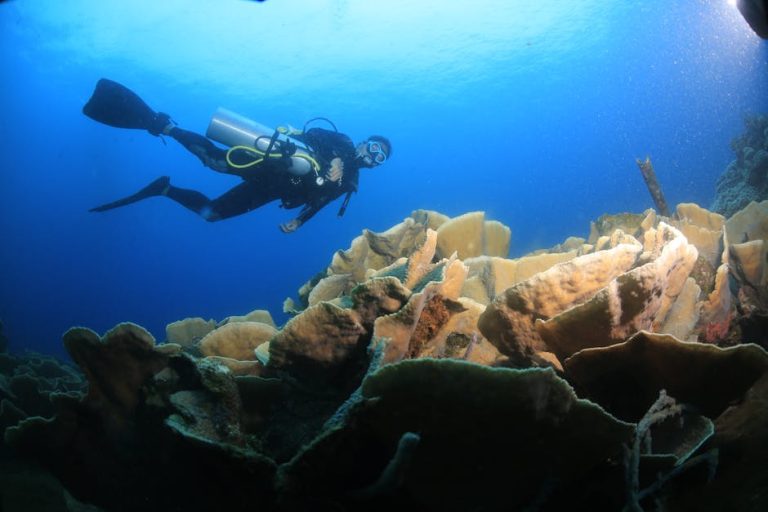
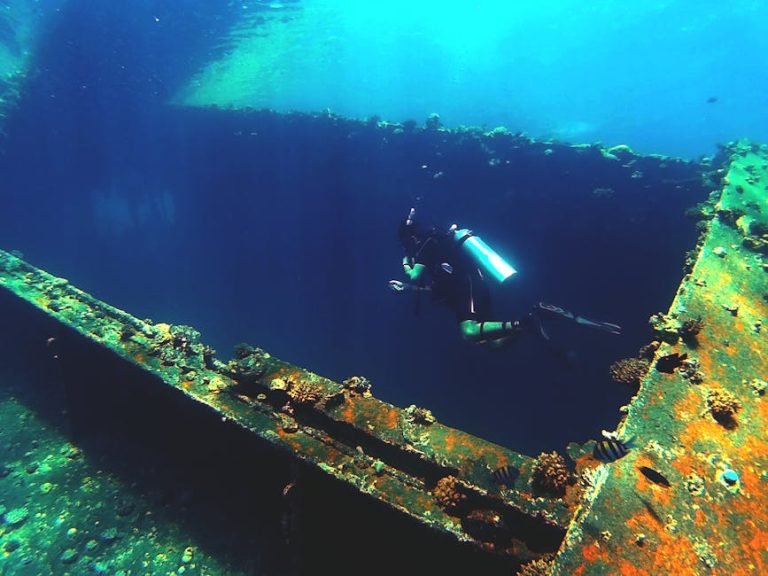
The change isn’t dramatic on the first day. You board the vessel, stow your gear, meet the other divers, eat dinner, and go to sleep listening to the water move against the hull. On the second morning you do your first dive before breakfast — 6am, first light, water the colour of steel — and the reef is completely empty of other divers. No bubbles, no torch beams, no noise except your own breathing and the distant percussion of snapping shrimp. In the evenings you do a night dive directly off the back of the boat, drop into the black water, and thirty minutes later you’re back on board with a hot drink, watching stars from the deck.
By day three, you understand what a liveaboard is. It’s not a more convenient way to dive. It’s a different experience altogether.
Why Liveaboards Access Reefs Day-Trip Boats Cannot
The logistics of day-trip diving constrain where you can go. A boat leaving Cairns at 8am needs to reach its dive site, complete two or three dives, and return to port by late afternoon. That window limits the operator to sites within roughly two hours’ travel — the inner and mid-shelf reefs of the Great Barrier Reef, which are excellent but represent a fraction of what the reef system offers.
A liveaboard travels while you sleep. The boat leaves in the afternoon, runs overnight, and arrives at a remote site — Osprey Reef in the Coral Sea, the ribbon reefs of the far northern GBR, the Swain Reefs to the south — in the early morning. You dive that site all day, two or three or four times, then the boat moves again overnight. By the end of a seven-day trip, you’ve logged fifteen to twenty dives on sites that day-trip divers never reach.
The difference in marine life density and diversity at remote sites, compared to heavily dived accessible reefs, is significant. Osprey Reef, 350 kilometres off the Queensland coast, has shark populations that bear no resemblance to what you’ll see on an inner-reef day trip. The ribbon reefs in the far north of the GBR — accessible from Cooktown or Port Douglas rather than Cairns — have soft coral coverage and fish biomass that consistently astonishes divers who’ve been diving the closer reefs for years.
Choosing a Liveaboard: What Actually Matters
The liveaboard market in Australia ranges from budget-oriented vessels with eight-to-a-cabin dormitory style accommodation to purpose-built luxury dive yachts where you have your own cabin and en suite. The diving itself is largely the same across price points — the ocean doesn’t grade itself by how much you paid for the boat. What differs is the non-diving experience: the food, the comfort, the size of the group, the quality of the briefings.
The things I’d prioritise when choosing:
Group size. Smaller groups mean less competition for reef space, quieter dives, and more personalised guidance from the dive team. A liveaboard that takes twelve divers is a fundamentally different experience from one that takes thirty-six.
Itinerary flexibility. Some liveaboards run fixed itineraries regardless of conditions; others adjust based on weather, visibility, and what the guides are seeing. Operators with the flexibility to chase good conditions — to stay an extra dive at a site that’s performing exceptionally, or to skip a site that’s been roughed up by weather — consistently produce better trips.
Dive guide experience. The quality of your dive guides determines the quality of your trip more than any other single factor. Experienced guides know where specific animals are, what times of day certain behaviours occur, and how to brief a mixed-ability group effectively. Ask operators how long their guides have been working that specific route.
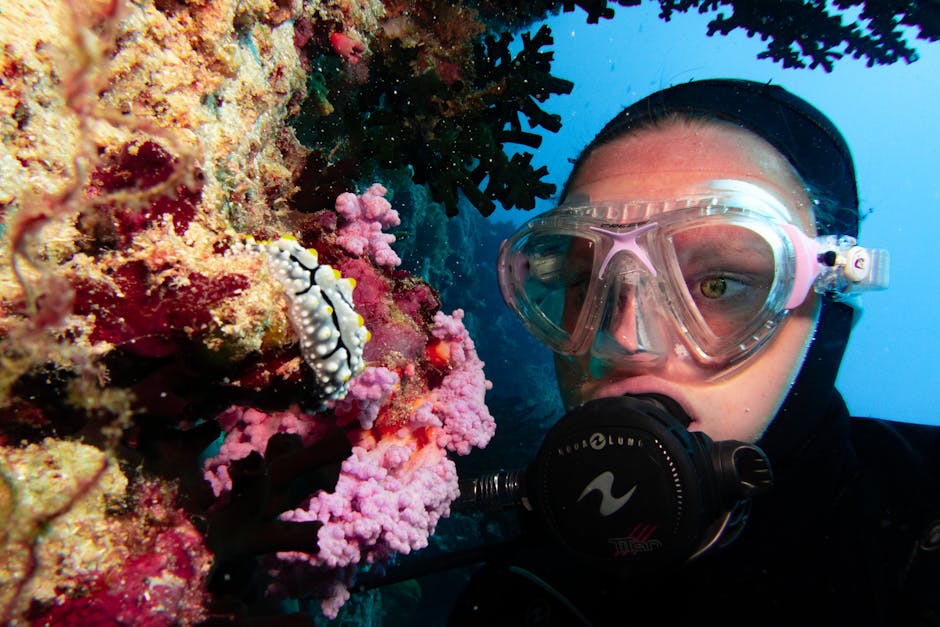
Nitrox availability. Enriched Air Nitrox — a breathing mixture with higher oxygen content than standard air — extends no-decompression limits at depths between 15 and 30 metres, which means you can stay underwater longer without incurring decompression obligations. Most modern liveaboards offer Nitrox fills, usually for a small additional cost, and it’s worth having your Nitrox certification before a longer trip.
The Social Dimension
I want to say something about the social experience of liveaboards that doesn’t usually appear in the promotional material.
You are going to spend five to ten days with eight to thirty strangers in a small boat. You will eat every meal together, share equipment rinse tanks, and be in each other’s company almost constantly. This is either a feature or a bug depending on your temperament, but what I’ve consistently found — across dozens of liveaboard trips, on boats from Queensland to the Red Sea to the Coral Triangle — is that the combination of shared experience and physical separation from everyday life produces a particular quality of human connection that you don’t get in hotels or on shore-based dive trips.
The people you dive with on a liveaboard become, at minimum, temporary companions of the best kind: interested in the same things, in the same place, with no particular agenda beyond diving well and eating well and sleeping adequately. At maximum, some of them become people you travel to other oceans to dive with again.
Coral Sea Liveaboards: A Personal Recommendation
If you’re doing your first Australian liveaboard and you want to understand what the fuss is about, the Coral Sea is the answer. Osprey Reef in particular — a remote atoll 350 kilometres northeast of Cairns — produces the kind of diving that recalibrates your expectations permanently.
The North Horn, Osprey’s famous shark diving site, has a resident population of grey reef sharks supplemented by hammerheads, silvertips, and occasional tiger sharks. The wall diving on Osprey’s eastern face drops to visibility of 40 metres or more in good conditions. The soft coral gardens in the shallower sections of the reef are as dense and colourful as anything I’ve seen in the Indo-Pacific.
Most Cairns-based operators run Coral Sea trips of four to seven days. Book early — these trips sell out months in advance, particularly for peak season between June and October when conditions are most reliable.
Take a liveaboard. Give it a week. See what the ocean looks like when nobody else is in it.