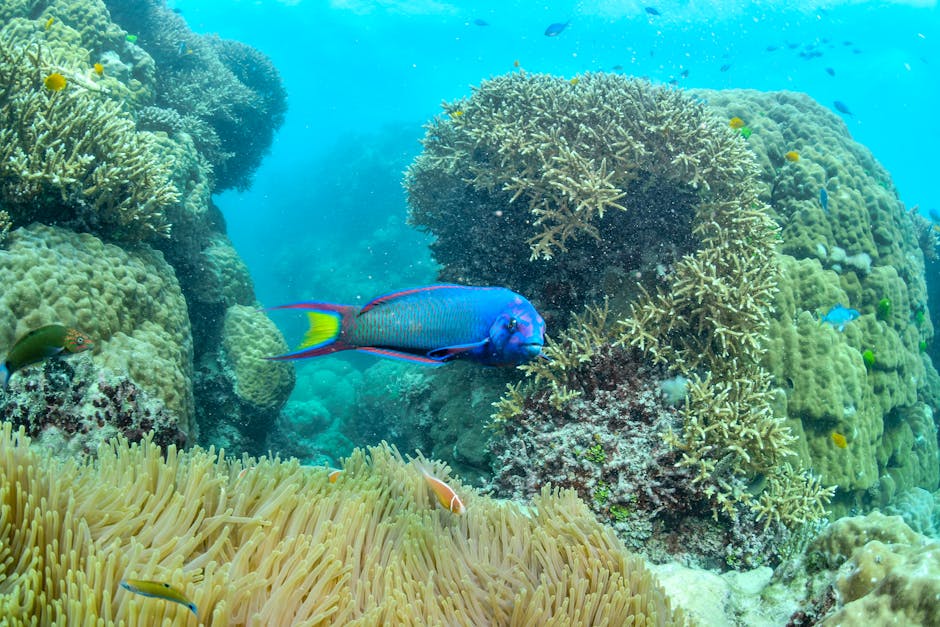
Solo travel and the Great Barrier Reef are, in practice, a better combination than you might expect. The reef is a destination where what you experience is determined more by where you are and what you’re doing than by who you’re with. Being alone on a dive at the Cod Hole, watching potato cod circle at close range in clear water, is not a diminished experience. In some respects it’s a better one — there’s no one to distract you, no one whose preferences influence where you go, no one between you and whatever’s happening underwater.
Where Solo Travel Works Naturally
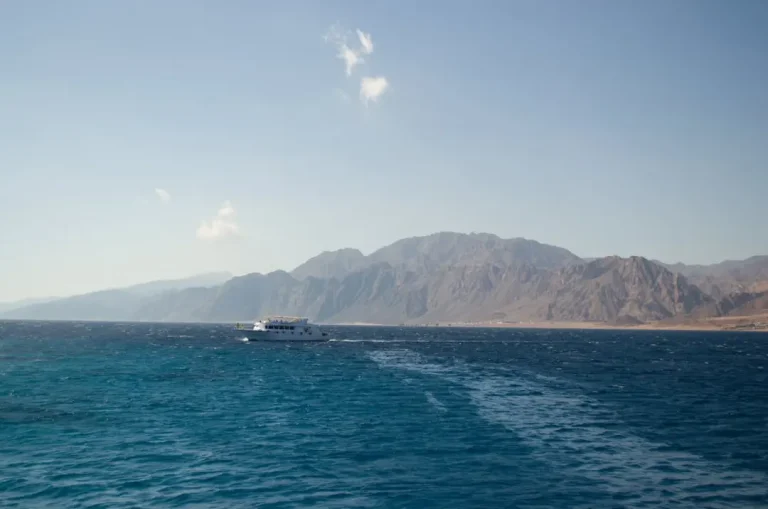
Day trips from Cairns and Port Douglas are completely comfortable for solo travellers. The boats carry 20–300 people; you arrive alone, join a vessel full of strangers, and within thirty minutes you’re in the water with everyone else. Dive and snorkel guides pay particular attention to solo travellers — you’ll often find yourself paired with a guide rather than left to snorkel independently.
Liveaboards are, in my opinion, the ideal solo GBR format. The vessel becomes a temporary community. Strangers arrive with a shared purpose — diving — and within 24 hours have developed the quality of camaraderie that takes much longer on land. I’ve made lasting friendships on liveaboards, shared a cabin with people I’d just met, and dived day after day with the same group in a way that produces a particular ease and trust.
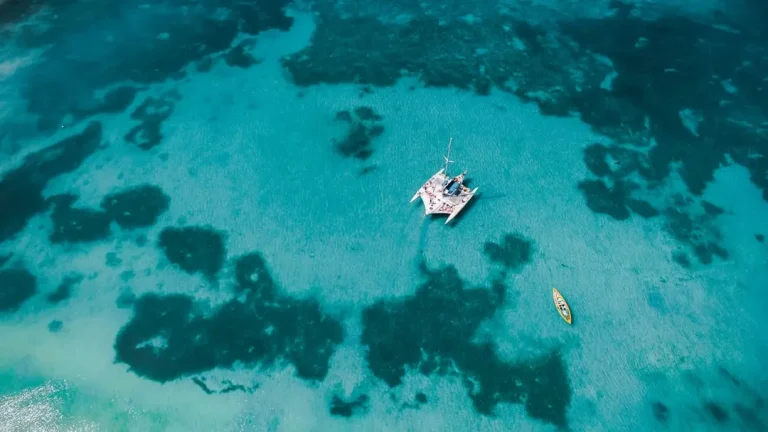
The Whitsundays backpacker sailing scene is explicitly social and functions as a solo travel vehicle as much as a reef access mechanism. Arriving alone on a budget sailing trip is completely normal.
Safety Considerations
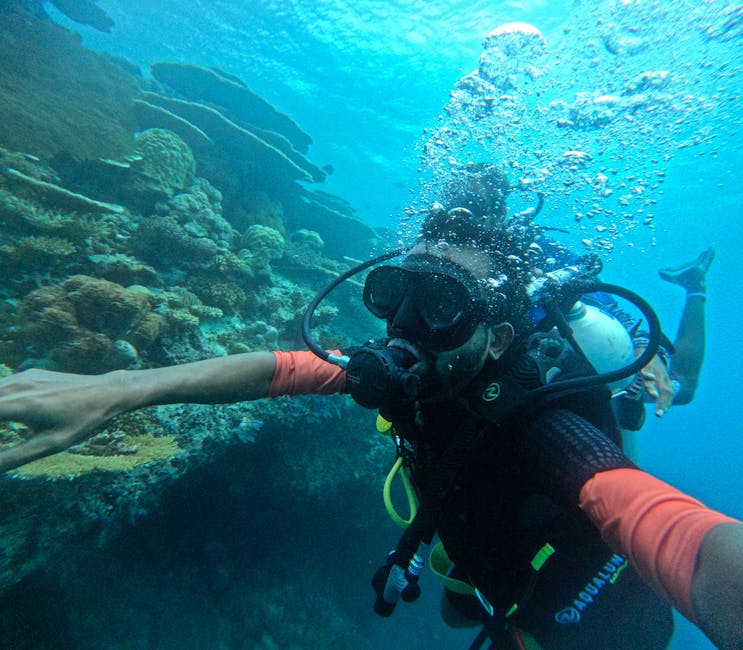
Diving solo requires either a buddy assigned by the operator (standard practice on day trips and liveaboards) or solo diving certification with appropriate equipment. Don’t dive alone without the appropriate training and gear. On land, solo travel in Queensland coastal towns is as safe as anywhere in Australia.
Practical realities: hire cars don’t typically charge solo supplements. Budget accommodation in Cairns, Port Douglas, and Airlie Beach has excellent hostel options at $30–60 per night. Tour operators generally don’t charge solo supplements for day trips. Liveaboard solo supplements vary — ask operators specifically, as some waive them for shared cabins.
Meeting People
The reef generates easy conversation. Everyone on the boat has just had an extraordinary underwater experience, and the natural topic — what did you see? what’s your diving background? where are you going next? — produces conversation that doesn’t require social effort. You will not be lonely at the Great Barrier Reef unless you specifically intend to be.