Solo reef travel is, in my experience, significantly better than its reputation suggests and somewhat more complicated than its advocates admit.
The diving community has a complex relationship with solo diving — the standard open-water certification teaches the buddy system as fundamental, and solo diving proper (single diver, no buddy, deliberate solo procedures) is covered in an advanced solo diver specialty rather than as a default. This is appropriate for most recreational diving contexts.
The solo reef traveller, however, is not necessarily a solo diver. Most solo reef travel involves joining groups — day-trip vessels, liveaboards, guided snorkel tours — where other divers or snorkellers are present. The “solo” in solo reef travel refers primarily to arriving and managing the trip independently, not to going in the water alone.
The Practical Advantages of Solo Reef Travel
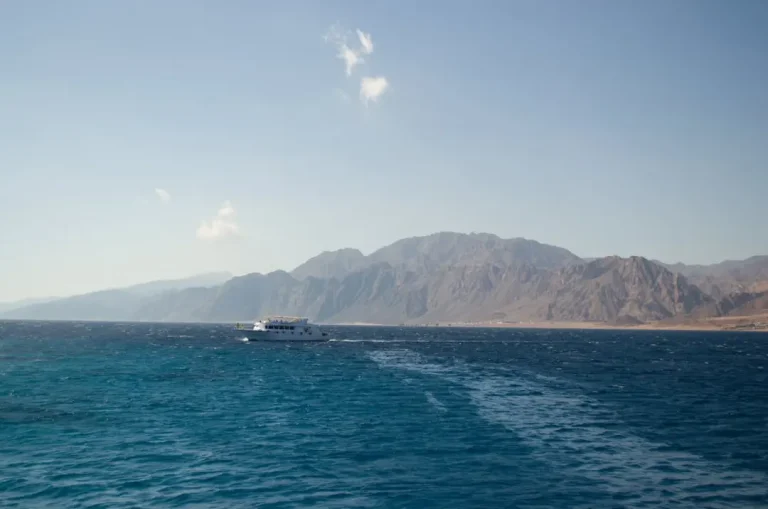
Solo travel on a liveaboard is, in several meaningful ways, the best way to do a liveaboard.
You choose the itinerary that most interests you, without negotiation. You choose the vessel category that matches your preference, without compromise. You set your own pace on surface intervals — sleeping in the sun or reading or reviewing dive notes according to your own rhythm. And you meet people in the way that shared experience in a self-contained environment produces: quickly, genuinely, with the specific quality of connection that comes from doing something you both care about.
Liveaboard vessels attract a self-selecting group who are there specifically for the diving. The common interest is immediate and substantial. By day two on a Coral Sea liveaboard I’ve been on alone, I’ve had diving conversations with people who know specific sites in the Philippines, the Red Sea, and the Maldives that I’ve been curious about for years. These conversations don’t require the social scaffolding that normal travel encounters do. The reef does the introduction.
Practical Solo Safety
The buddy system in recreational diving is a genuine safety protocol, not a social convention. A diver in difficulty at depth — out of air, entangled, experiencing a medical event — needs another diver present to have any meaningful chance of immediate assistance. Solo diving in a group context (technically “alone” because your buddy is twenty metres away and not watching you) provides almost none of the actual safety benefit of a real buddy pair.
Practical solo diving protocols:
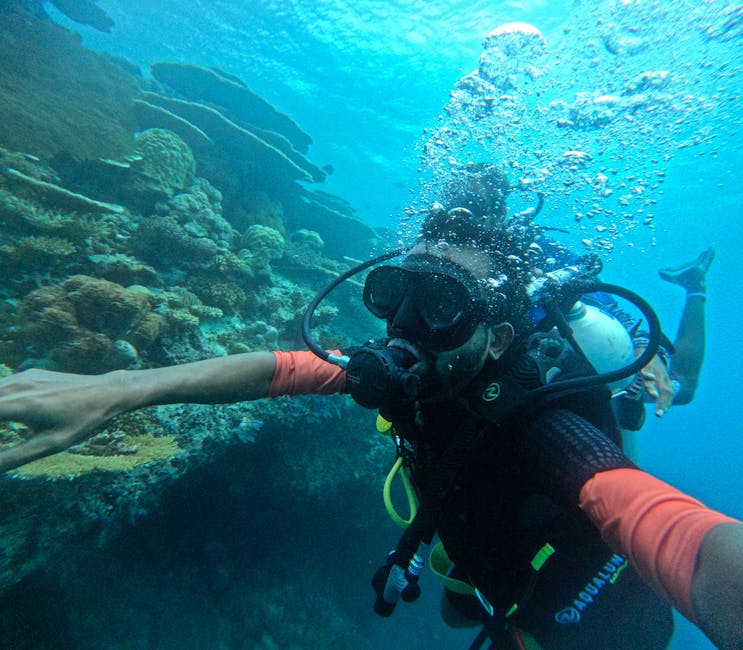
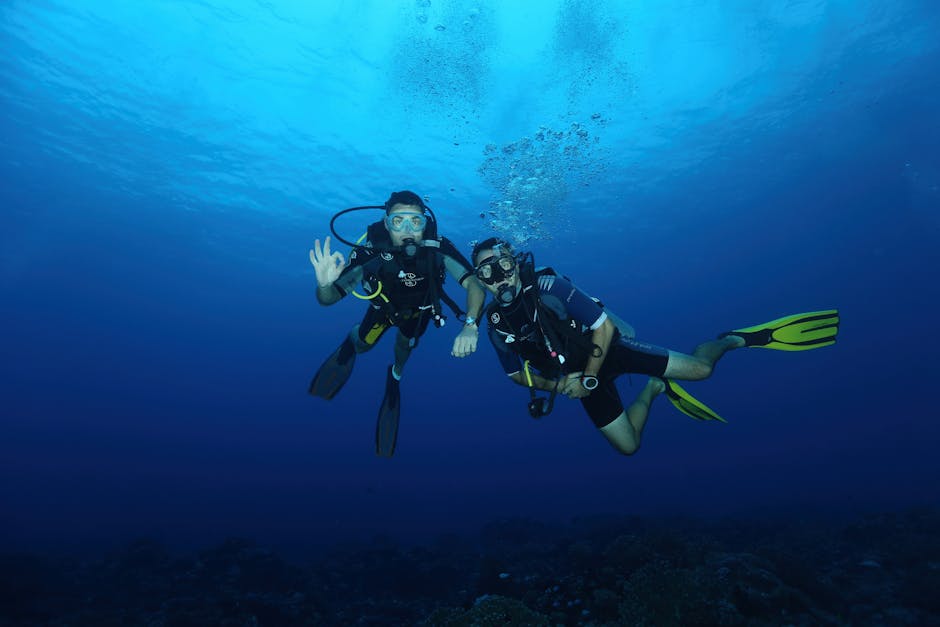
Always dive with a buddy on a liveaboard or day-trip vessel, even if you arrived alone. Liveaboard operators routinely pair solo divers with other solo divers or with the dive guide as a matter of standard procedure. This is a service — take it.
On a day trip, communicate your certification level and experience honestly to the guide. Being grouped with an appropriate buddy, rather than being given freedom to self-manage above your experience level, is in your interest.
The solo diver specialty course (available from most major agencies) is worth doing if you intend to dive in conditions where buddy availability is genuinely limited — primarily technical diving contexts rather than recreational reef diving. For standard recreational reef diving as a solo traveller, the standard buddy system on organised tours applies and is adequately managed by the operators.
SMB (Surface Marker Buoy): Non-negotiable for solo travellers on any dive operation. Deploy it before surfacing. If you surface away from the vessel, the SMB is the reason you’re found in a reasonable timeframe.
DAN membership and dive accident insurance: More important for solo travellers than for groups, because there’s no travel companion to coordinate emergency response. Have the DAN Australia emergency number saved in your phone. Have your dive profile, certification level, and medical information in an accessible digital location.
Where Solo Reef Travel Works Best
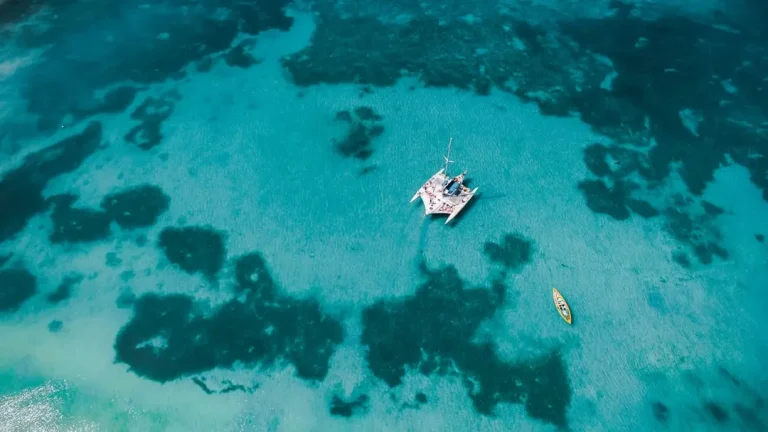
Liveaboards: Ideal for solo travel. The group dynamic of a liveaboard vessel handles the social and safety logistics simultaneously. Solo supplement fees (charged to cover the cost of a single-occupancy cabin that would otherwise accommodate two people) are a reality — typically 50–100% additional cost. Some vessels have specific single-berth cabins at lower solo supplement. Ask before booking.
Day trips from Cairns and Port Douglas: Entirely solo-friendly. You book a seat, you show up, you dive or snorkel. The operations are set up for individual bookings. No awkwardness, no special arrangements required.
Island resort stays: Lady Elliot and Heron Island both handle solo travellers well — the resort atmosphere is inclusive and the diving/snorkelling community is naturally social. Solo supplement applies at resorts with per-room pricing.
Coral cay camping: Solo camping on a GBR island is physically possible but not recommended. The permit system requires you to declare your group size, and the practical and safety logistics of solo remote camping — particularly for anyone planning water activities — are more complex than they’re worth. The minimum sensible group for island camping is two people.
Meeting Other Reef Travellers
The Australian reef travel community is accessible, international, and concentrated in the places where the diving is best.
The hostel social spaces in Cairns — particularly around the backpacker hostels near the Esplanade and the Cairns Central area — are full of solo travellers who are there specifically for the reef. The pattern is predictable: arrive, settle, find out who else is planning the same trips, arrange to share the experience.
Dive shop briefing rooms are reliably good social spaces. Everyone in the room is about to do the same thing, and the common experience is an immediate connection. I’ve arranged liveaboard trips, found dive buddies for remote sites, and been given specific local knowledge by people I met in briefing rooms in Cairns, Port Douglas, and Exmouth.
The DAN dive travel Facebook groups, ScubaBoard’s regional forums, and the various dive club networks are useful pre-trip resources for finding other solo divers heading to the same destinations.
The Honest Case for Going Alone
The best version of a reef trip is the version you actually go on. Many people delay reef travel waiting for the right companion — a partner who also dives, a group of friends with aligned schedules and budgets — and the delay accumulates. Meanwhile, the reef is undergoing ongoing stress and the window for experiencing it at its current quality is genuinely finite.
Going alone removes every constraint except the one you’ve placed on yourself. The liveaboard is manageable alone. The day trips are fine alone. The island camping needs a minimum of two, but that travelling companion can be found rather than assumed — the reef travel community has no shortage of people looking for a camping partner.
The solo surface interval — sitting on the back deck of a Coral Sea liveaboard after a North Horn dive, reviewing your dive computer data, no one to talk to unless you want to — is, in my experience, one of the finer ways to process a remarkable experience. The reef asks nothing of you except your presence and your attention. You can give both alone, as effectively as with anyone else.
Go solo. The reef is a good companion.