The packing list for a reef trip has a specific structure that most general travel packing advice misses: it divides cleanly into dive gear (heavy, bulky, non-negotiable), reef gear (lightweight, always in use), and general tropical travel (minimal). Understanding which category your items fall into — and which items justify the weight and space they occupy — produces a bag that works rather than one that requires airline excess baggage fees.
This guide is organised by category and covers the full range from day-trip snorkelling to multi-day liveaboard diving.
The Dive Gear Question: Own vs. Rent
The fundamental packing decision for certified divers is what to own and what to rent. The answer depends on how much you dive, where you’ll be, and your tolerance for using equipment you didn’t choose.
Always worth owning:
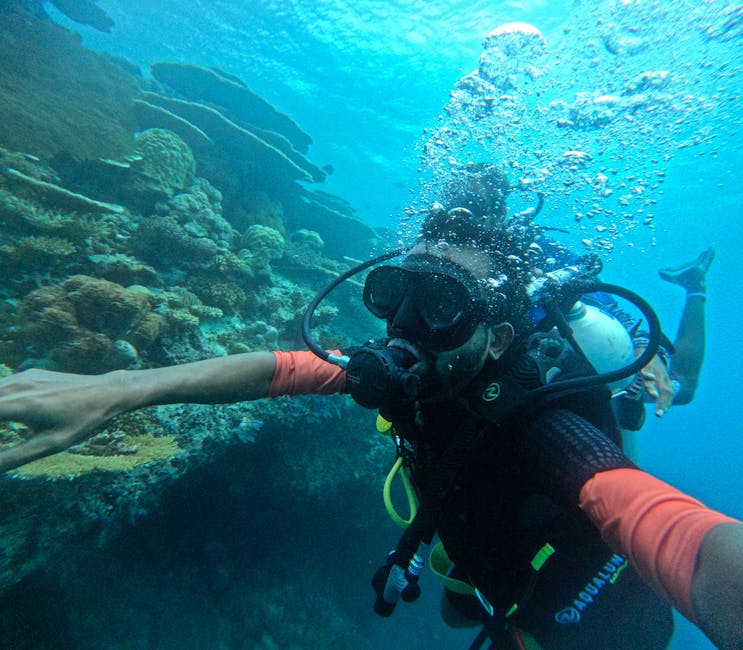
– Mask. Fit is everything, and rental masks are a lottery. A mask that fits your face, treated with anti-fog, makes every dive better than a rental that doesn’t quite seal. The weight penalty is negligible (200–300 grams).
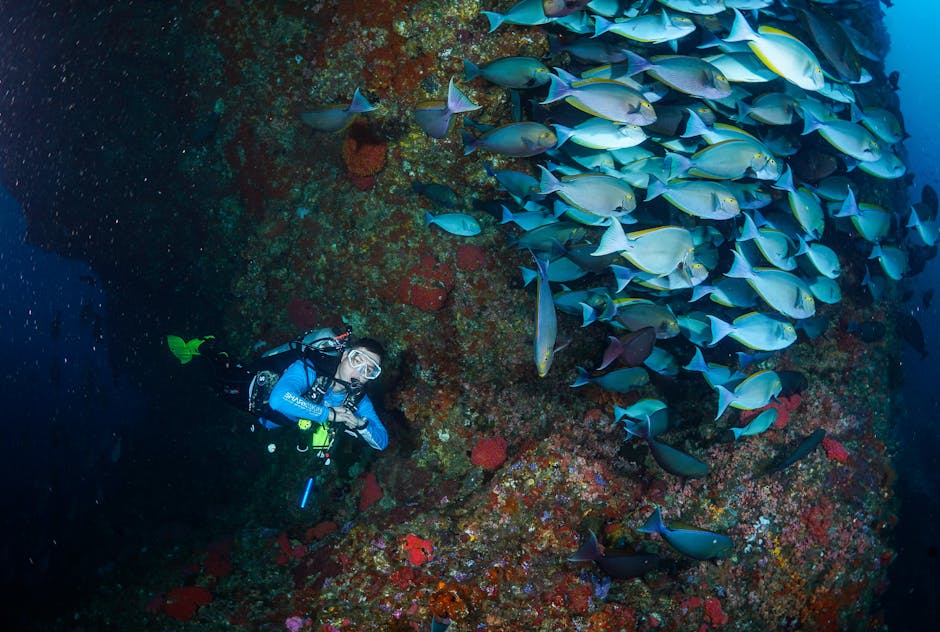
– Dive computer. Rental computers exist but are often basic models, and your dive profile data is yours — reviewing it after a Coral Sea liveaboard gives you useful information about your gas consumption patterns and no-deco time management. A mid-range personal computer costs $300–500 and pays for itself quickly in rental cost savings.
– Wetsuit. Rental wetsuits are often past their thermal performance peak, frequently don’t fit well, and have been worn by many people before you. A 3mm full suit handles the tropical GBR (May–October), and a 1mm or 2mm shorty covers the warmer months. The 3mm is the versatile choice.
Reasonable to rent on location:
– BCD (buoyancy compensator), regulator, fins, booties. These are heavy items, rental quality at major operators is generally adequate, and checking them rather than carrying them avoids the airline anxiety of equipment damage in transit.
The exception: If you dive more than four to five times a year, own your regulator. The performance difference between a well-maintained personal regulator and a rental is meaningful, and knowing your regulator’s service history and its specific breathing characteristics matters more as your diving becomes more technical.
Reef-Specific Gear (Snorkellers and Divers)
- Reef-safe sunscreen. Mineral-based, zinc oxide formula. Buy it before you arrive — not every reef destination has it reliably in stock. Brands certified as reef-safe include Thinksport, Stream2Sea, and the local Australian brand Sun Bum Mineral.
- Rash vest or Lycra suit. Long-sleeved rash vest for sun protection; Lycra full-suit for stinger season (October–May in the far north). The rash vest is the single most useful reef travel garment — it covers the arms and torso for snorkelling without the heat burden of a wetsuit.
- Reef shoes. Closed-toe neoprene shoes for reef walking and rocky entries. Lightweight, packable, and essential at reef flat sites.
- Waterproof bag or drybag. For electronics, passport, and anything else that can’t get wet during water transfers. A 5L drybag handles the essentials; a 20L version for liveaboards where deck space is limited and everything gets spray.
- Surface marker buoy (SMB) and finger spool. For divers — non-negotiable. Carry your own.
- Underwater torch. For night diving and penetrating overhangs. A compact backup torch in a BCD pocket takes almost no space.
- Underwater camera housing or waterproof camera. If photography is important, see the snorkelling photography article for specifics. A minimal option: a waterproof phone case.
Tropical Travel Clothing
The key principle: less is more, and everything should dry quickly.
The reef travel wardrobe: three to four lightweight shirts (synthetic or linen — cotton holds moisture and stays wet), two or three pairs of shorts or lightweight trousers, one light layer for evening air conditioning (hotels and liveaboards frequently overcool), sandals for town, closed shoes for rainforest or reef walking, and swimwear that you can cycle through a quick freshwater rinse daily.
Formal clothing is unnecessary at any reef destination. The smartest outfit you’ll need at any Cairns, Port Douglas, or Airlie Beach restaurant is what you’d wear to a casual barbecue.
Colour note: White and light colours show sunscreen marks visibly and look worn faster in tropical conditions. Darker, more saturated colours travel better on reef trips.
Electronics and Power
Australian power outlets are Type I (angled three-pin) at 230V/50Hz. International visitors need a Type I adaptor; most modern devices (laptops, phone chargers) handle the voltage automatically.
Useful electronics for reef travel:
– Power bank. On a liveaboard, charging points are shared and limited. A power bank with enough capacity for two full phone charges covers the days when you’re underwater when the charging spots are free.
– Noise-cancelling earphones. For the dive boat crossing and the long flight.
– E-reader. Surface intervals are genuinely good reading time.
The Medical Kit
A personal medical kit for reef travel should include: reef-safe sunscreen (mentioned above), antihistamine tablets (for insect bites and mild allergic reactions), pain relief, bandages and antiseptic (coral cuts are prone to infection and need prompt treatment), seasickness tablets if you’re susceptible, and a week’s supply of any prescription medications plus a days’ buffer.
Specific to reef environments: Vinegar (500ml, decanted into a spray bottle) is the first-aid treatment for box jellyfish stings — it deactivates the nematocysts and should be applied before removing tentacles. The correct treatment used to include removing tentacles by hand; current evidence suggests this stimulates further nematocyst discharge. Pour vinegar, don’t rub.
For any dive trip involving remote locations (Coral Sea liveaboard, island camping, Kimberley expedition), a written copy of your dive computer log pages, your dive medical certificate, and your DAN membership details should be in the kit or accessible digitally offline.
The Weight Calculation
Airlines impose weight limits, and dive gear-heavy bags routinely exceed them. The practical calculation: book baggage allowance in advance (usually cheaper than paying at the airport), weigh your bags before you leave home, and identify what can be rented on location.
Most major Cairns, Port Douglas, and Airlie Beach dive operators have complete rental gear at comparable quality to mid-range personal gear. For first-time reef travellers, renting everything except mask and wetsuit is a reasonable first trip approach — you learn what matters most for your diving style and buy accordingly before the second trip.
The reef doesn’t care what label is on your BCD. It cares that you arrive.