Hurghada sits on Egypt’s Red Sea coast, and most visitors who arrive here have one thing in mind: getting out on the water to see coral reefs. Orange Bay, the closest snorkel site to town, becomes the default choice for people staying in the resort zone. It’s convenient, accessible, and the boat ride takes maybe twenty minutes. But convenience and reality don’t always align when you’re actually standing on a boat at six in the morning with fifty other people, waiting for the water to clear enough to see anything.
The reef tours that depart from Hurghada operate on a rhythm you notice quickly if you spend a few days here. Morning trips leave early, often between six and seven. Afternoon trips start around noon or one o’clock. The water clarity changes dramatically depending on the time of day and the season. Winter months, roughly November through March, tend to offer better visibility because the water is calmer and less stirred up. Summer brings warmer water but also choppier conditions and more suspended particles that cloud the view.
Orange Bay and the Reality of Proximity
Orange Bay earned its reputation partly because it’s close and partly because the reef there is genuinely accessible. You can wade into shallow water and see coral formations without needing to dive deep. The problem is that everyone knows this. On any given morning, you’ll find multiple boats anchored in the same small bay, and the snorkelers create a constant disturbance in the water. Fish scatter. The seabed gets stirred up. By mid-morning, the water clarity that looked promising at seven becomes noticeably hazier by nine.
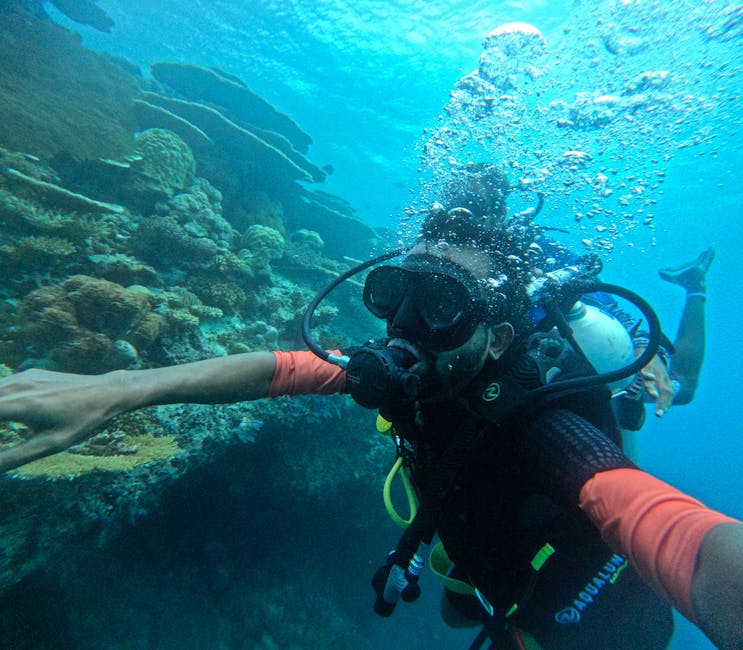
The coral itself at Orange Bay is moderate. You’ll see branching corals, some table corals, and a reasonable variety of reef fish. Parrotfish, wrasse, and smaller groupers are common. The experience feels less like exploring an untouched reef and more like visiting a well-worn natural attraction. The coral shows signs of stress in places – bleaching, broken branches, areas of algae growth. This isn’t unique to Orange Bay; it’s visible across the Red Sea reefs that receive regular tourist traffic.
What matters more than the reef condition is understanding the timing. If you’re staying in Hurghada and want to visit Orange Bay, go on the first boat of the day. The difference between six-thirty and eight-thirty is substantial. The water is clearer, the fish are less spooked, and you’ll have a window of relative calm before the crowds build up. Afternoon trips to Orange Bay feel rushed and crowded by comparison.
Giftun Island and the Longer Journey
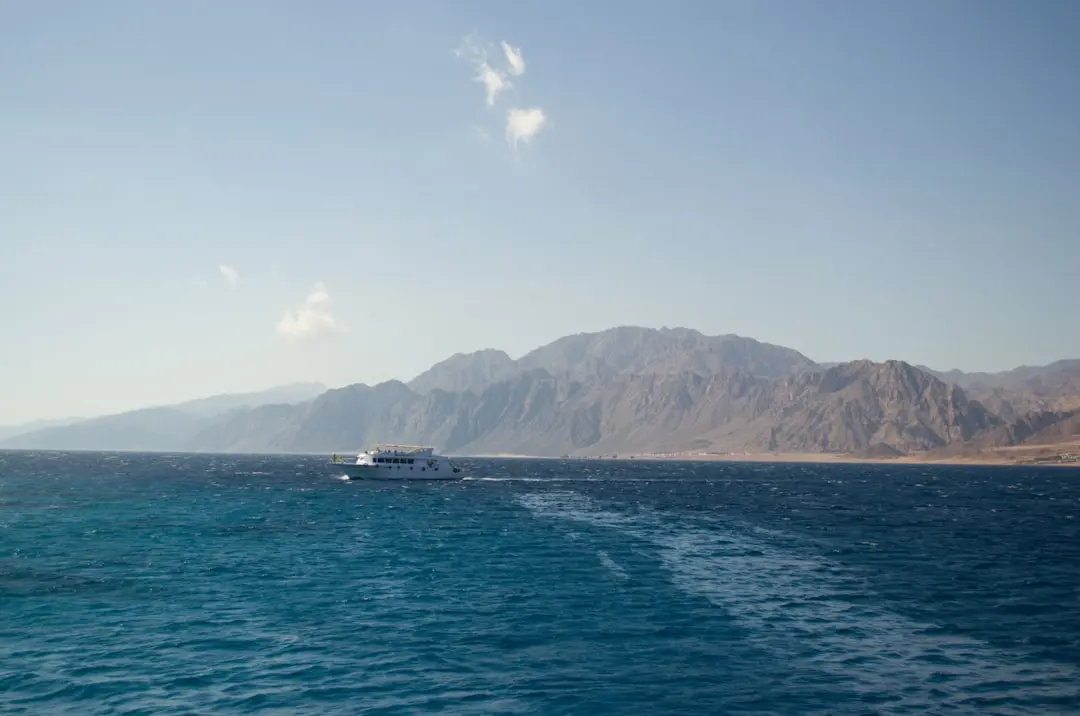
Beyond Orange Bay, most tour operators offer trips to Giftun Island, which sits further offshore. The boat ride takes forty-five minutes to an hour depending on sea conditions and which part of the island you’re heading to. Giftun has multiple reef sites around it, and the variety is noticeably better than what you get at Orange Bay. The coral formations are healthier in many spots, and the fish populations feel less pressured.
The island itself is a rocky, arid place with minimal vegetation. There’s a beach area where boats anchor, and you can spend time on the sand if you want a break from the water. The real appeal, though, is the reef. The eastern side of Giftun tends to have better coral coverage and more dramatic underwater topography. You’re looking at drop-offs, coral heads, and more varied fish behavior. Larger groupers appear here. You might see rays gliding along the bottom. The reef feels less like a petting zoo and more like an actual marine environment.
The trade-off is obvious. The longer boat ride means more time away from your hotel, more exposure to sea conditions, and a higher chance of motion sickness if the water is rough. The cost is also higher – typically double what you’d pay for an Orange Bay trip. Whether that’s worth it depends on how much time you have and how seriously you take the snorkeling experience. If you’re in Hurghada for three days, a Giftun trip makes sense. If you’re there for one afternoon, Orange Bay is more practical.
Mahmya Island and the Quieter Option
Mahmya Island, also called Paradise Island by some operators, sits between Hurghada and Giftun. It’s less crowded than Orange Bay but more accessible than Giftun. The boat ride is around thirty minutes. The reef here is patchy but interesting – you get sections of healthy coral mixed with sandy areas and seagrass beds. The fish diversity is good without being exceptional.
What makes Mahmya different is the atmosphere. Fewer boats anchor here compared to Orange Bay, so you actually have space to move around in the water without constantly bumping into other snorkelers. The beach is wider and quieter. If you want the reef experience without the sensory overload of Hurghada’s main tourist sites, this is a reasonable middle ground. It’s also a good option if you’re traveling with people who aren’t strong swimmers or who get anxious in crowded water environments.
Seasonal Patterns and What Changes Throughout the Year
The reef tours operate year-round, but the experience shifts with the seasons. Winter offers better visibility and calmer mornings, but the water is cooler – around twenty degrees Celsius in January and February. You’ll want a wetsuit, and even then, extended time in the water becomes uncomfortable. Summer water is warm enough that many people snorkel in just a rash guard, but the visibility drops and the sea gets rougher more frequently. Spring and fall are the sweet spots: warm water, reasonable visibility, and fewer extreme weather days.
Crowds also follow a pattern. Peak season runs from November through March when Europeans escape winter. During these months, every reef site feels busy, and booking tours a day or two in advance is wise. April through October sees fewer tourists, which means easier access to boats and smaller groups. The trade-off is that some tour operators reduce their schedules during the quieter months, so fewer options might be available.
What Happens During the Actual Tour
A typical reef tour follows a predictable structure. You meet at a designated point – usually a hotel or a waterfront location in Hurghada. The boat ride involves sitting on benches while the captain navigates to the reef site. If the sea is rough, you’ll feel every wave. Once you arrive, the crew gives a brief safety talk that usually lasts less than five minutes. Then people get in the water.
The crew typically anchors in shallow water and points you toward the reef. You’re expected to navigate on your own. There’s usually a guide in the water, but they’re managing a large group and can’t stay with individual snorkelers. This is fine if you’re comfortable in the water and can manage your own buoyancy. If you’re nervous or inexperienced, you might feel unsupervised.
The actual snorkeling time varies. A typical trip gives you between one and two hours in the water, split across two or three separate reef sections. The boat moves between sites, and you get back in the water at each location. By the end, most people are tired – partly from swimming, partly from the sun and the constant sensory input of being in a busy tourist environment.
Lunch is often included on longer trips, usually served on the boat or on the beach. The food is basic – grilled fish, rice, salad, bread. It’s adequate but not memorable. Drinks are sometimes included, sometimes available for purchase. Bring cash if you want to buy anything extra, as card payments aren’t always possible on boats.
The Practical Realities
Sunburn is a real concern. The sun reflects off the water, and you’re exposed for hours. Reef-safe sunscreen is important – the chemicals in regular sunscreen damage coral. Even with sunscreen, most people get some sun exposure. Wear a rash guard or a wetsuit if you can tolerate it.
Seasickness affects more people than expect. If you’re prone to motion sickness, take medication before boarding. Ginger supplements or prescription options both work. Avoid eating a heavy breakfast before the trip. Stay hydrated, but don’t overdo it with water – you’ll spend the boat ride uncomfortable.
Gear rental is available but inconsistent. Most tours include basic snorkel equipment, but the quality varies. Masks fit poorly sometimes. Fins are often uncomfortable. If you snorkel regularly, bringing your own gear is worth the luggage space. Even a personal mask makes a significant difference in comfort and visibility.
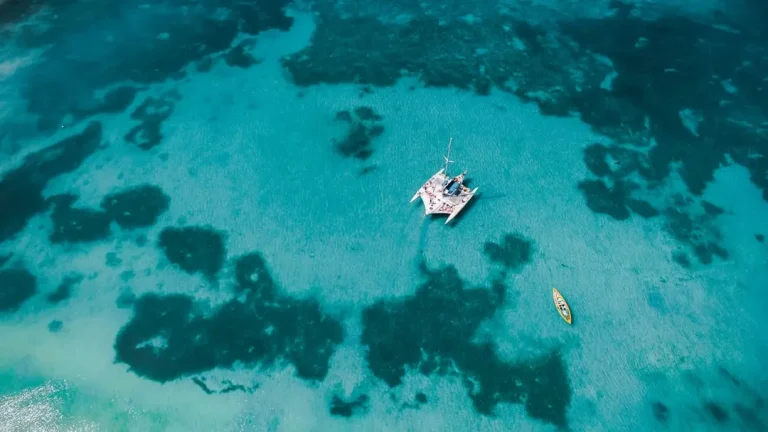
The boats themselves range from small speedboats that hold a dozen people to larger vessels carrying fifty or more. Smaller boats offer more personalized service and less crowding in the water. Larger boats are cheaper and more frequent but feel more impersonal. The choice depends on your budget and tolerance for group experiences.
Getting back to Hurghada means another boat ride, often in afternoon heat. You’ll be wet, tired, and sun-exposed. The ride back feels longer than the ride out, even though it’s the same distance. Plan for downtime afterward. Most people spend the rest of the afternoon resting, showering, and recovering.
The reef tours from Hurghada deliver what they promise: access to coral reefs and marine life without requiring diving certification. The experience is real, but it’s also mediated by tourism infrastructure. You’re seeing genuine coral and fish, but you’re doing it alongside crowds and within the constraints of a commercial tour schedule. Managing expectations about crowds, timing your visits strategically, and understanding the seasonal rhythms makes the difference between a memorable experience and a forgettable afternoon on a boat.