Reef tours in marine protected areas operate differently than they do in unregulated waters. The difference isn’t always obvious until you’re actually on the boat, watching how operators navigate rules you didn’t know existed, or waiting longer than expected because group sizes are capped. These tours exist in a specific ecosystem of regulations, seasonal patterns, and visitor management that shapes the entire experience in ways worth understanding before you book.
Most marine protected areas enforce visitor limits, mooring restrictions, and designated entry points. This means the reef you visit might be less crowded than popular unprotected sites, but it also means departure times are fixed, group sizes are smaller, and you’re following a prescribed route rather than exploring freely. The trade-off is usually worthwhile – the reef itself tends to be healthier, fish populations more abundant, and the water clearer – but it requires patience with logistics that can feel bureaucratic when you’re just trying to get in the water.
The morning departure is almost always the best time to go on these tours, though this isn’t unique to protected areas. What is specific is that early slots fill quickly and operators often won’t overbook them. You’ll be in the water by mid-morning when light penetration is good but the day hasn’t heated up enough to make the boat uncomfortably crowded. By afternoon, the same reef can feel different – not necessarily more crowded in terms of people, but the light changes, water visibility sometimes shifts with afternoon currents, and the reef’s activity patterns shift. Fish behavior changes noticeably between morning and afternoon visits.
How Protection Changes What You Actually See
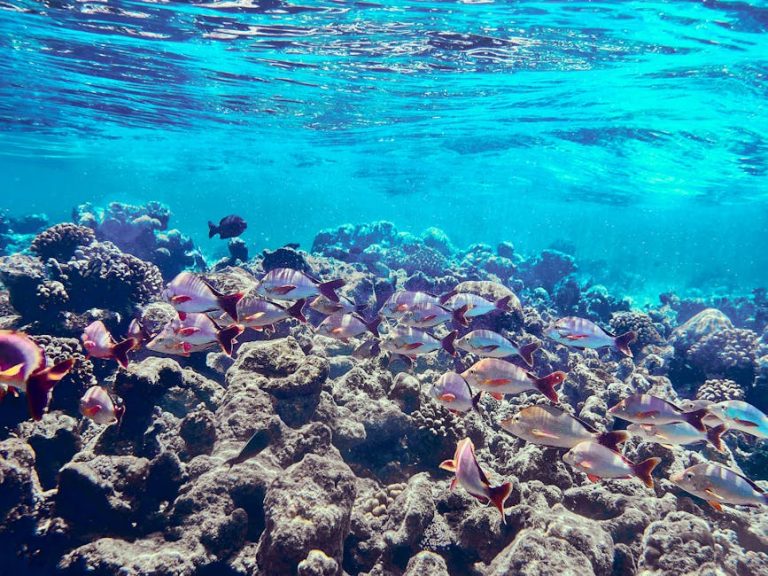
A protected reef isn’t automatically more visually dramatic than an unprotected one. The difference is subtler. You notice it in fish behavior first. In heavily fished areas, larger fish are wary and disappear quickly. In protected zones, they’re more curious. Groupers linger. Parrotfish work the coral openly. Sharks, if present, move through with less urgency. This behavioral difference is what makes protected reefs feel different to spend time on, even if the coral structure itself looks similar.
Coral coverage and health do tend to be better in protected areas, but this varies enormously depending on how long the area has been protected, local water conditions, and whether it’s recovering from past damage. Some protected reefs are genuinely pristine. Others are still in recovery – you’ll see bleached sections, broken coral, and signs of stress alongside healthy growth. The protection means the reef has a chance to heal, not that it’s already healed. This reality is worth knowing because some people arrive expecting picture-perfect conditions and feel disappointed by evidence of damage, even in well-managed protected areas.
Water clarity in protected areas is often better than in nearby unprotected zones, particularly if the protection includes restrictions on anchoring and limiting boat traffic. Less sediment gets stirred up. Less fuel leaks into the water. The cumulative effect over years is noticeable. But clarity still depends heavily on season, recent weather, and tidal conditions. A protected reef in the dry season with calm seas can offer visibility of 80 feet or more. The same reef during monsoon season or after heavy rain might drop to 30 feet, protection or not. Operators know this and will tell you honestly if conditions are poor – they have no incentive to send you out if you won’t see anything.
The Practical Reality of Group Tours
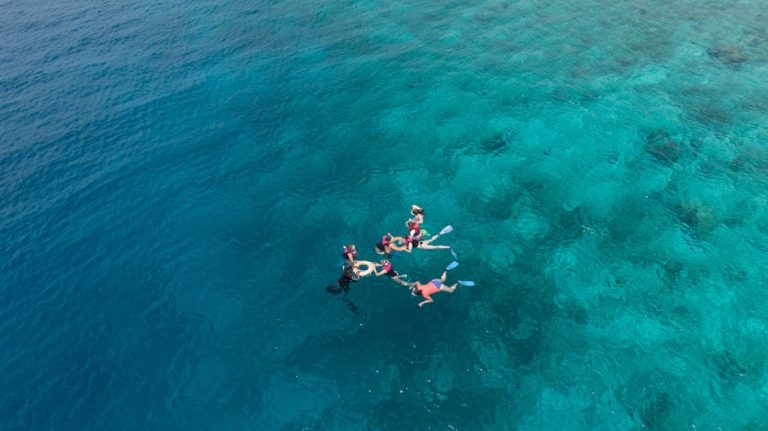
Most reef tours in protected areas operate as group experiences. You’re sharing a boat with 8 to 20 other people, depending on the operator and the specific area. This isn’t inherently bad, but it shapes the experience. You move as a group. You follow a guide. You have a set amount of time in the water – usually 45 minutes to an hour for the first site, sometimes a second site if the boat is fast enough and conditions allow.
The guide’s competence matters enormously. A good guide points out things you’d miss – the camouflaged scorpionfish, the sea cucumber hiding in coral, the juvenile fish that looks nothing like its adult form. A mediocre guide will just swim ahead and expect you to follow. Some guides are genuinely knowledgeable about marine biology. Others are primarily boat operators who’ve learned to identify common species. This varies by region and operator, and it’s worth asking about guide qualifications when booking, though you won’t always get a straight answer.
Snorkeling from a group tour boat is different from diving. You’re at the surface, looking down. Your time is limited by how long you can hold your breath and how comfortable you are in open water. Some people find this restrictive. Others prefer it because there’s no equipment to manage and no certification required. The reef looks different from the surface than it does at depth – colors are muted, detail is lost, and you see primarily what’s in the top 15 to 20 feet. If the reef’s best features are deeper, you’ll get an incomplete picture.
Seasonality and When Tours Actually Run
Protected areas often have seasonal closures or restricted operating periods. This is usually to protect nesting sea turtles, breeding corals, or to avoid dangerous weather. It means some of the best reefs in a region might be off-limits during certain months. Tour operators will know these restrictions, but casual travelers sometimes don’t, and it’s worth checking before planning your trip around a specific reef.
Even when tours are operating, sea conditions matter more in protected areas than in developed resort zones. Because many protected reefs are in remote locations, boats are smaller and less stable than the large catamarans operating from major tourist centers. Rough seas that would merely be uncomfortable on a big boat can make a small boat genuinely unpleasant or even unsafe. Operators will cancel tours if conditions are poor, and they’re usually conservative about this because they’re liable if something goes wrong. This means you might book a tour and have it cancelled, which is frustrating but reflects the reality of operating in exposed marine environments.
Water temperature varies seasonally and by latitude. Tropical reefs stay warm year-round, but even small temperature drops affect comfort. In some regions, water temperatures drop enough in winter months that a wetsuit becomes necessary rather than optional. This changes how long you can comfortably stay in the water and affects the overall experience. A tour that’s pleasant in warm season can feel cold and limiting in cooler months.
Cost and What You’re Actually Paying For
Reef tours in protected areas tend to cost more than tours in unprotected waters. Part of this reflects the protection itself – operators pay fees to access protected areas, and these costs get passed to customers. Part of it reflects the logistics of reaching remote reefs, which often requires longer boat rides and more fuel. Part of it is simply that protected areas attract travelers willing to pay more because they value conservation.
What you’re paying for includes the boat operation, the guide, the mooring fee or park entry, fuel, and basic safety equipment. You’re not paying for exclusive access or guaranteed perfect conditions. You’re paying for access to a reef that’s being actively managed for conservation, which theoretically means better long-term reef health. Whether that justifies the cost is a personal decision, but it’s worth understanding what the money actually covers.
Some operators include snorkeling gear in the tour price. Others charge extra. Some provide better quality equipment than others. If you have your own snorkel gear and it’s comfortable, bringing it saves money and ensures you’re using equipment you trust. This is a small detail that makes a real difference in comfort, particularly if you’re spending an hour in the water.
Tours that include lunch or refreshments are worth the extra cost if the food quality is decent. A full day on a boat in sun and salt water is exhausting, and arriving back at shore dehydrated and hungry affects how you feel about the entire experience. Operators who provide good water, snacks, and a proper lunch understand this and tend to have better overall reputations.
The Actual Rhythm of a Tour Day
A typical reef tour starts early. You meet at a dock or beach, usually 30 to 60 minutes before departure. There’s a safety briefing that covers basic snorkeling technique, what to do if you get separated from the group, and how to signal the boat. This takes 10 to 15 minutes and feels repetitive if you’ve done it before, but it’s necessary.
The boat ride to the reef varies. It might be 15 minutes or 90 minutes depending on where the protected area is located. During the ride, you’re sitting in sun or shade, depending on the boat. You’re getting jostled by waves. You’re watching the coastline recede and the water deepen. Experienced travelers bring a book or accept that this is downtime. New travelers often feel impatient.
Once at the reef, the guide briefs you again on what you’ll see and basic safety. Then you enter the water. The first few minutes are always a moment of adjustment – you’re checking your snorkel, getting your breathing rhythm right, orienting yourself to the reef. Then you settle into it. You follow the guide or drift independently if the guide allows it. You look at fish, coral, and whatever else is visible. The time passes differently depending on your comfort level and interest in marine life. For some people, 45 minutes feels like 10 minutes. For others, it feels long.
After the first snorkel, there’s usually a break on the boat. You dry off, eat, drink water, rest. Then, if the tour includes a second site, you repeat the process. By the end of the day, you’re tired in a specific way – sun-tired, salt-tired, tired from floating and looking down. It’s not unpleasant if you enjoy being in water, but it’s a particular kind of fatigue worth acknowledging.
The ride back is usually quieter than the ride out. People are tired. Conversations are sparse. You’re watching the reef disappear behind you and the coast get closer. You arrive back at shore with a specific kind of satisfaction or disappointment depending on what you saw and how the day went. The feeling lingers