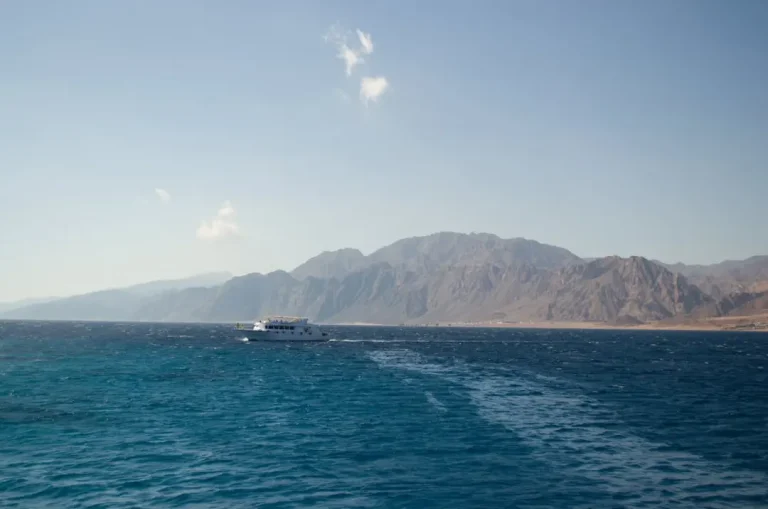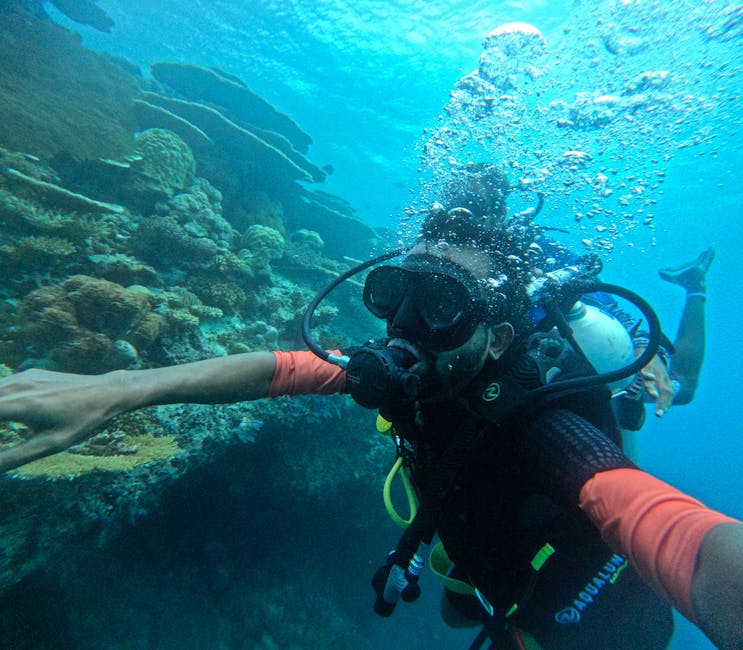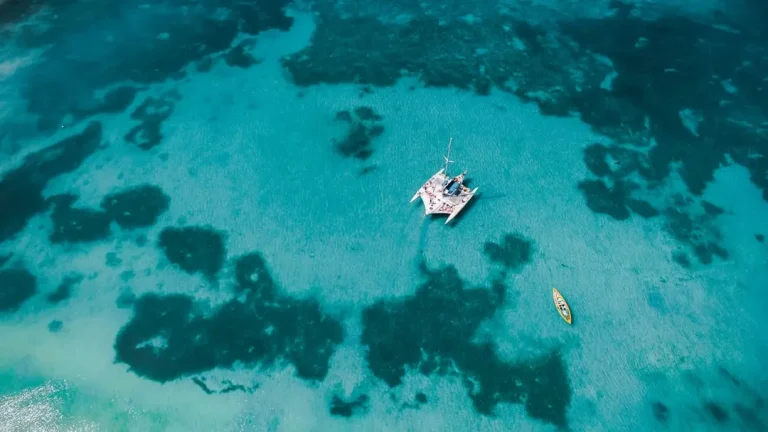
Tour operators have a saying: the ocean decides. It’s not cynical – it’s practical. I’ve watched perfectly scheduled boat trips get rerouted, snorkeling expeditions postponed, and entire days of plans dissolve within an hour because wind patterns shifted or a swell rolled in from the wrong direction. Weather changes on the water aren’t inconveniences you read about in travel forums. They’re the reality of moving people across open water, and understanding how they actually work changes how you approach coastal travel.
Most travelers arrive at a destination with a mental itinerary. Day three: reef tour. Day five: island hopping. The assumption is that these activities will happen as booked. What gets lost in that planning is that tour operators aren’t being difficult when they cancel or delay – they’re managing genuine constraints. A catamaran carrying 80 people in 3-meter swells isn’t a comfortable experience. It’s a safety and liability issue. A snorkeling site loses visibility in 12 hours of heavy rain and runoff. A narrow channel between islands becomes impassable when wind funnels through at 25 knots.
Why Tours Actually Get Changed
The most common trigger is wind. Not rain, not heat, but wind. Wind creates swell, and swell makes boats uncomfortable and potentially unsafe. I’ve been on boats where the captain turned back 20 minutes into a 45-minute journey because conditions deteriorated faster than forecast. The passengers weren’t thrilled, but the alternative – continuing into worsening conditions – would have meant a genuinely rough ride back and potential medical incidents among older travelers or people prone to motion sickness.
Visibility changes matter too, especially for reef and snorkeling tours. Water clarity depends on several factors: recent rainfall that brings sediment and freshwater runoff, tidal cycles that stir up the seafloor, wind that churns the surface, and seasonal patterns. I’ve seen crystal-clear water at a reef site turn murky brown within hours after an inland downpour. The tour operator can’t control this, and they won’t take you to a reef you can’t see into. It defeats the purpose and wastes your money.
Tidal windows also constrain what’s possible on any given day. Some reef sites are only safely accessible during specific tide ranges. Some channels between islands have strong currents that are manageable at slack tide but dangerous otherwise. A tour that works perfectly on Tuesday might be impossible on Wednesday simply because the tide cycle has shifted. This isn’t a tour operator being inflexible – it’s basic marine logistics.
Storm systems create the most dramatic changes. Tropical destinations especially are vulnerable to sudden weather shifts. I’ve watched a forecast change from “scattered showers” to “tropical depression forming” in 24 hours. When that happens, multi-day liveaboard trips get cut short, island tours get consolidated, and some activities simply don’t run. The boats stay in port. The crews don’t go out. It’s not a negotiation.
What Happens When Your Tour Gets Rerouted
Rerouting is the middle ground between cancellation and proceeding as planned. A reef tour might shift to a different reef on the same day. An island-hopping trip might visit two islands instead of three. A snorkeling expedition might launch from a different beach. These changes usually happen on the morning of the tour or sometimes the night before, once the captain and crew have better information about conditions.
The rerouted location is almost never random. Operators know their waters intimately. They know which reefs are sheltered from certain wind directions, which beaches are protected by geography, which channels stay navigable in rough conditions. A reroute often means you’re going somewhere slightly less popular but equally worthwhile – sometimes more so, because fewer tourists are there.
What matters is managing your own expectations. If you’ve booked a specific reef or island because you read about it online, a reroute feels like a disappointment. But the operator isn’t taking you somewhere worse; they’re taking you somewhere that’s actually accessible and safe on that particular day. I’ve had rerouted tours turn out better than the original plan simply because the alternative site was less crowded and the conditions were better.
Timing and the Reality of Waiting
Weather changes introduce unpredictability into your schedule. A tour might depart two hours late because the captain wanted to wait for wind to ease. It might return earlier than expected because conditions deteriorated faster than anticipated. This affects your next activity, your meal timing, your rest, and your overall rhythm for the day.
I’ve learned to build buffer time into coastal travel plans. If a reef tour is scheduled for 8 a.m. with a 2-hour duration, I don’t book anything critical at 10:30 a.m. Weather delays are common enough that you need flexibility. Some operators will tell you the tour is “weather permitting” but won’t commit to a specific departure time until the morning. That’s not evasiveness – that’s honesty about what they can control.
Early morning tours tend to be more reliable than afternoon ones. Wind often picks up as the day progresses, especially in tropical and subtropical locations. A 6 a.m. departure has a better chance of running on schedule than a 2 p.m. one. This is worth knowing when you’re booking. The early start feels rough, but it’s the smarter choice for coastal activities.
Cancellations and Your Options
Full cancellations happen when conditions are genuinely unsafe. This might be a few hours before departure or sometimes just as you’re arriving at the dock. It’s frustrating, but it’s also the right call. A captain who takes a boat out in conditions they shouldn’t will eventually have an incident. You don’t want to be on that boat.
Most operators offer rebooking or refunds when they cancel. Some have specific policies about how far in advance they’ll make the call. The best operators will contact you the evening before if they’re concerned about the forecast. Others wait until morning. A few will let you show up and then tell you it’s not happening. This variation is worth asking about when you’re booking.
Travel insurance that covers weather-related cancellations is useful, though not all policies cover it. Some tours are non-refundable even with cancellation. Reading the fine print matters, especially if you’re visiting during a season that’s prone to sudden weather changes.
The practical reality is that you’ll likely experience at least one weather-related change if you spend more than a week doing water-based activities in a coastal destination. It’s not a failure of planning. It’s just how the ocean works. The difference between a frustrating trip and a good one often comes down to whether you expected this and had flexibility built into your schedule.