Reef tours with children occupy a strange space in family travel. The idea is straightforward: take kids to see fish and coral, everyone snorkels, everyone leaves happy. The reality is messier, more unpredictable, and often more rewarding than the brochure version suggests. After spending time on reef tours across the Caribbean, Southeast Asia, and the Pacific, I’ve learned that success depends less on the reef itself and more on understanding how children actually behave in water, how their bodies respond to salt and sun, and what kinds of tours are genuinely designed for families rather than just marketed that way.
The first thing to accept is that not every child will take to snorkeling immediately. Some kids slip into the water with confidence. Others freeze at the sight of their own feet distorted by refraction. Some panic the moment their face goes near the surface. A good reef tour operator knows this and doesn’t pretend otherwise. They have shallow areas, they move slowly, they let kids stay in the boat if needed. The bad ones herd everyone into deeper water and assume peer pressure will solve the problem.
Water Temperature and Physical Comfort
One detail that separates experienced reef tour operators from those just running boats is their understanding of how quickly children lose body heat in water. Tropical reefs feel warm to adults standing on deck, but once submerged, especially for younger children, the temperature drop is noticeable. A child who’s been in the water for thirty minutes starts shivering. At forty-five minutes, they’re genuinely cold and their mood shifts. This is why the best family reef tours limit water time to shorter intervals – usually twenty to thirty minutes – and build in surface breaks where kids can warm up in the sun.
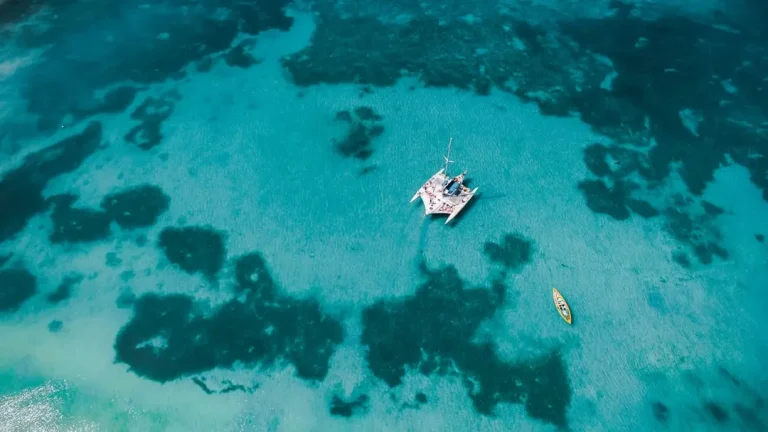
The type of reef matters too. Shallow lagoon reefs with sandy bottoms and scattered coral heads are fundamentally different from drop-off reefs where the bottom disappears into blue. For families with younger children, lagoon reefs are more manageable. Kids can stand up if they need to. They can see the bottom. The water is usually calmer. The fish are still there – sometimes in greater abundance because the shallow water is more productive. The trade-off is that you won’t see the dramatic coral formations or large pelagic fish that deeper reefs offer, but that’s a fair exchange when you’re managing multiple children in an unfamiliar environment.
Timing and Crowd Dynamics
The time of day changes everything about a reef tour with children. Early morning tours, departing around 8 or 9 AM, catch the reef when light is clearest and water visibility is typically at its best. The water is also calmer before afternoon wind builds. Crowds are smaller because most tourists are still sleeping or having breakfast. The disadvantage is that you’re getting kids up and moving early, which works fine if your family is naturally morning-oriented and falls apart if you’re not.
Midday tours are crowded. Multiple boats converge on the same reef, creating a chaotic atmosphere. Visibility is often good, but the psychological experience – being surrounded by other snorkelers, competing for viewing space, dealing with boat traffic – can overwhelm children who are already processing a lot of new sensations. Late afternoon tours have fewer boats, but visibility sometimes deteriorates and the light becomes less useful for seeing detail.
The best timing depends on your specific children and your tolerance for early mornings. There’s no universal answer, but the worst choice is booking whatever time fits your other activities. Reef tours deserve their own schedule consideration.
Snorkeling Gear and Fit
Children’s snorkeling equipment is often an afterthought on tour boats. A mask that doesn’t seal properly means water constantly leaks in, which creates panic. A snorkel that’s too large makes breathing difficult. Fins that are too loose slip off. These aren’t minor annoyances – they’re the difference between a child enjoying themselves and a child spending the tour frustrated and upset.
Reputable operators stock properly sized gear and take time to fit it correctly. They test masks on the boat before entering the water. They adjust straps. They show kids how to clear water from their snorkel. Operators who just hand out random equipment and say “it should fit” are setting up for failure. If you’re booking a tour, ask directly about gear sizing when you reserve. If the operator seems dismissive about this question, book elsewhere.
Many families bring their own gear, which is reasonable if your children already snorkel regularly. If they’re new to it, renting from the tour operator is usually better because the staff can provide immediate assistance if something isn’t working.
What Kids Actually Notice
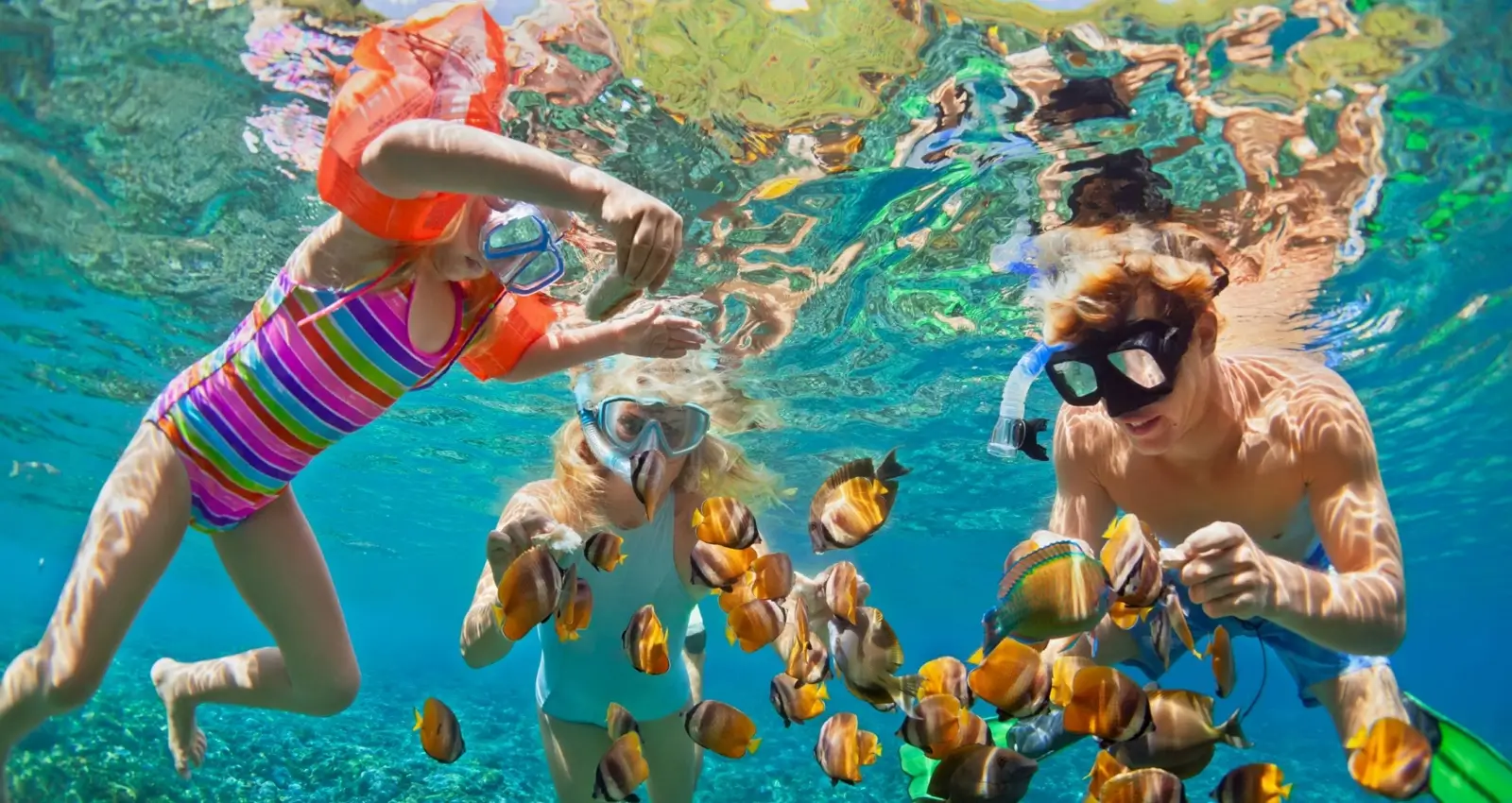
There’s an assumption that children want to see the same things adults do – big coral formations, rare fish species, the dramatic scenery. Often they don’t. Kids are fascinated by small things: a fish hiding in a crevice, the texture of coral, a sea urchin moving across the sand, their own reflection in the water. They notice movement and behavior rather than size or rarity. A small parrotfish crunching on coral captures their attention longer than a distant shark.
The best reef tours for families include a guide who understands this. They point out small details. They let kids observe behavior. They answer questions without condescension. They don’t rush from spot to spot trying to maximize the number of species seen. This kind of guide makes the experience feel like exploration rather than checking boxes.
Seasickness and Boat Conditions
Seasickness is the invisible factor that ruins many reef tours. Some children are prone to motion sickness; others never experience it. There’s no reliable way to predict which category your child falls into until they’re on the water. Larger boats with good stabilization handle rough water better than small speedboats. Tours on calm days are obviously better than tours during choppy conditions. If you’re traveling during a season known for rough seas, accept that reef tours might be cancelled or postponed.
If your child tends toward motion sickness, medication taken before departure helps. Ginger supplements sometimes work. Sitting in the middle of the boat rather than the bow or stern reduces motion sensation. Focusing on the horizon helps. But sometimes seasickness just happens, and the tour becomes about managing that rather than enjoying the reef. It’s worth acknowledging this possibility when planning.
Sun Exposure and Hydration
A reef tour is several hours of direct sun exposure with minimal shade. Children burn quickly. Reef-safe sunscreen is necessary because regular sunscreen damages coral. Even with sunscreen, kids need rash guards or wetsuits for UV protection and to reduce the cooling effect of water evaporation. Hats help but often get knocked off during snorkeling. The reality is that most children end up with some sun exposure despite precautions.
Dehydration happens faster in salt water because kids forget to drink while they’re focused on snorkeling. A good tour operator provides fresh water regularly and reminds children to drink. Some don’t. Bring your own water bottle if you’re uncertain, and make a point of having your kids drink during surface breaks.
Managing Expectations
Children’s expectations about reef tours are usually shaped by what they’ve seen in videos or documentaries. Real reef snorkeling is quieter and slower than that. Fish don’t pose for photos. Coral doesn’t glow. The water isn’t always crystal clear. The experience is still worthwhile, but it’s different from what kids might imagine. Talking through realistic expectations before the tour – describing what they’ll actually see and do – helps them engage with the real experience rather than comparing it to an imagined one.
Some reefs are genuinely better for families than others. The Great Barrier Reef has sections specifically managed for family access. The reefs around Belize are relatively shallow and accessible. The Maldives has lagoon reefs that are ideal for beginners. Southeast Asian destinations like Thailand and Indonesia have both excellent and mediocre reef tour operations, so operator choice matters more than location. Before booking, look for specific feedback about family experiences rather than general reef reviews.
The best reef tours with children are the ones where the operator seems genuinely interested in whether kids are comfortable and engaged rather than just moving bodies through the water. They adjust pace based on how the group is doing. They don’t treat children as miniature adults. They understand that a successful tour is one where everyone leaves wanting to go back, not one where everyone is exhausted and overstimulated. That mindset makes the difference between a memorable experience and a logistical ordeal.