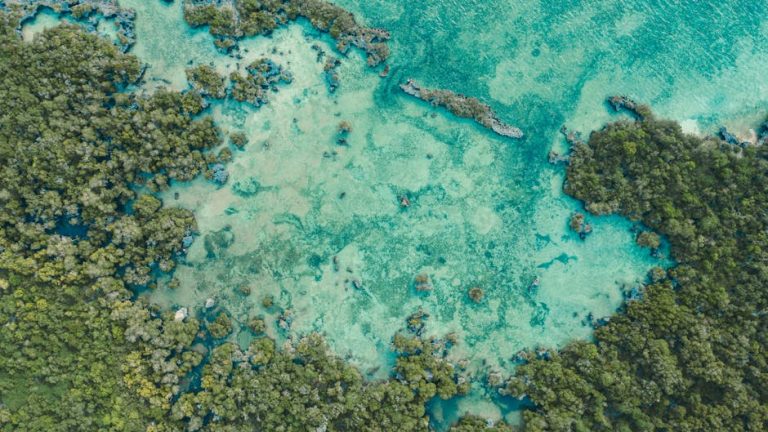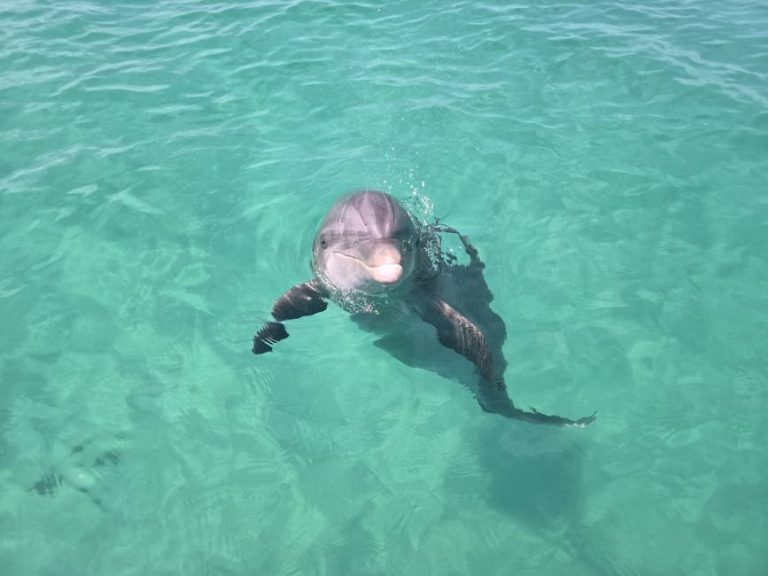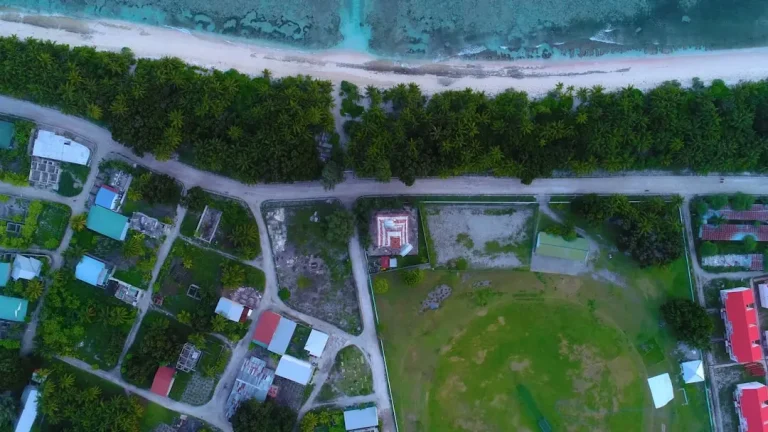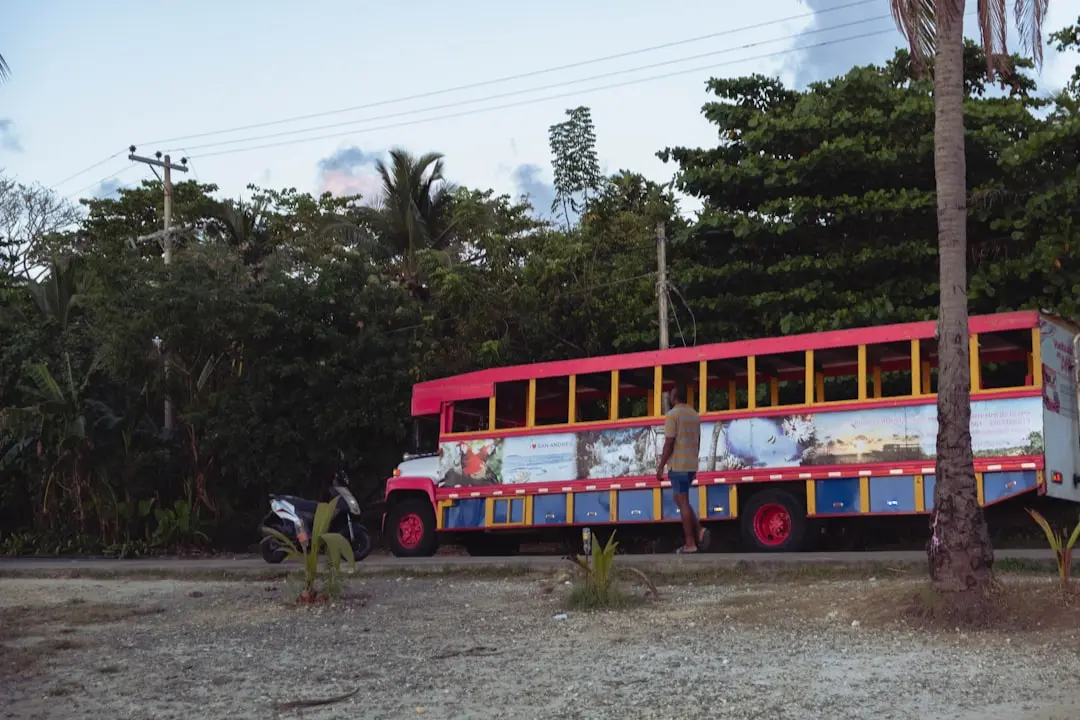
Puerto Morelos sits about 30 kilometers south of Cancun along the Riviera Maya, and it functions as a working fishing village that also happens to be a departure point for reef tours. The town itself is quieter than its larger neighbors – there’s a main plaza with a lighthouse, a few restaurants, and boat operators who work from a modest marina. The reef system here is part of the larger Mesoamerican Barrier Reef, the second largest coral reef in the world, and tours from this town typically head out to sections of it within 20 to 45 minutes depending on conditions and which specific site the operator chooses.
Most reef tours depart in the early morning, usually between 8 and 9 a.m., which is when the water tends to be calmest and visibility is generally at its best. The boats themselves are typically open-hull fishing-style vessels that hold 15 to 30 people, with a captain, crew, and a guide who may or may not speak English fluently. The ride out can be rough depending on wind and swell – the Caribbean here isn’t always the glassy mirror that postcards suggest. On choppy days, the spray hits constantly and the boat rocks enough that people sitting in the middle tend to feel it more than those forward or aft.
What the Reef Actually Looks Like
The coral formations near Puerto Morelos are healthy by regional standards, but they’re not pristine. You’ll see brain coral, elkhorn, and staghorn varieties, along with schools of parrotfish, snappers, and the occasional grouper. The water clarity varies significantly by season and recent weather. During the dry season from November to April, visibility often reaches 20 to 30 meters. In summer months, particularly after rain or heavy wind, it can drop to 10 meters or less, which is still acceptable for snorkeling but noticeably different from what you might have imagined.
The reef structure itself sits at varying depths. Some sections are shallow enough that you can stand on sandy patches between coral formations, while others drop to 8 or 10 meters where the coral becomes denser and more colorful. Snorkelers tend to stay in the shallower sections, while divers (if your tour includes diving) work the deeper areas. The reef doesn’t feel crowded in the sense of being overrun with tourists – most days you’ll see a handful of other boats and groups, not the overwhelming numbers you might encounter at more famous sites further north.
The Practical Reality of a Half-Day Tour
A typical reef tour lasts four to five hours total, which includes transit time. You’re usually in the water for two to three hours, often split between two different reef sections. The first stop is typically shorter – maybe 45 minutes – to let people get comfortable and acclimate. The second stop is longer, sometimes up to 90 minutes, depending on how the group is doing and whether anyone needs assistance.
Guides will point out fish species and coral formations, though the quality of interpretation varies widely. Some guides are genuinely knowledgeable and patient; others are more focused on moving people along. If you’re interested in learning about specific species or coral health, it helps to ask directly rather than assume the guide will volunteer information. The crew typically provides snorkel gear, though it’s worth bringing your own if you have a preferred fit – rental equipment is functional but not always comfortable for longer periods.
Lunch or snacks are sometimes included, sometimes not. This varies by operator. Some boats provide fresh fruit and water; others expect you to bring your own. The boat usually has a shaded area, but on sunny days – which is most days – the shade fills up quickly. Sunscreen is essential, and reef-safe formulas are increasingly expected by responsible operators, though enforcement is inconsistent.
Seasonal and Weather Considerations
The Caribbean hurricane season runs June through November, and while major storms are relatively rare, rough seas are common during these months. Tours still operate, but the experience changes noticeably. Water visibility drops, the boat ride becomes less pleasant, and the reef itself can look different as sediment churns up. If you have flexibility with timing, the November-to-April window offers more consistent conditions.
Early morning departures mean you’re on the water as the sun rises, which sounds romantic but also means a 6 or 7 a.m. pickup from your hotel or the town center. The water is cooler in early morning, which is actually welcome if you’re snorkeling in direct sun for hours. By late morning, the water warms and the sun becomes intense. Most people start feeling fatigued by hour three, particularly if they’re not regular swimmers.
What Separates Different Operators
Puerto Morelos has several tour companies, and they’re not all equivalent. Larger operators run more frequent tours and can absorb cancellations better. Smaller, family-run operations sometimes offer more personalized experiences but may cancel if conditions are marginal or if they don’t have enough bookings. Price differences are usually modest – tours typically range from $50 to $100 per person depending on what’s included and how far out they travel.
The key difference often comes down to group size and guide quality. A boat with 20 people will feel different from one with 12. A guide who’s been working the same reefs for years will show you things a newer guide won’t notice. Reading recent reviews specifically from people describing their experience – not just rating stars – gives you a better sense of what to expect than marketing language.
Some operators emphasize the snorkeling experience; others cater to divers or offer combination tours. If you’re not a strong swimmer, mentioning this when you book is worth doing. Responsible operators will pair you with crew members who can assist and may suggest staying in shallower areas rather than pushing you into deeper water.
The reef tours from Puerto Morelos work well as a half-day activity if you’re staying in the area or passing through. They’re accessible without certification, the reef is genuinely worth seeing, and the experience is less overwhelming than what you’d encounter at more heavily trafficked sites. The key is showing up with realistic expectations about weather, crowds, and what coral and fish actually look like underwater – not as a transformative experience, but as a solid way to spend a morning on the water in a part of Mexico that still feels relatively grounded.