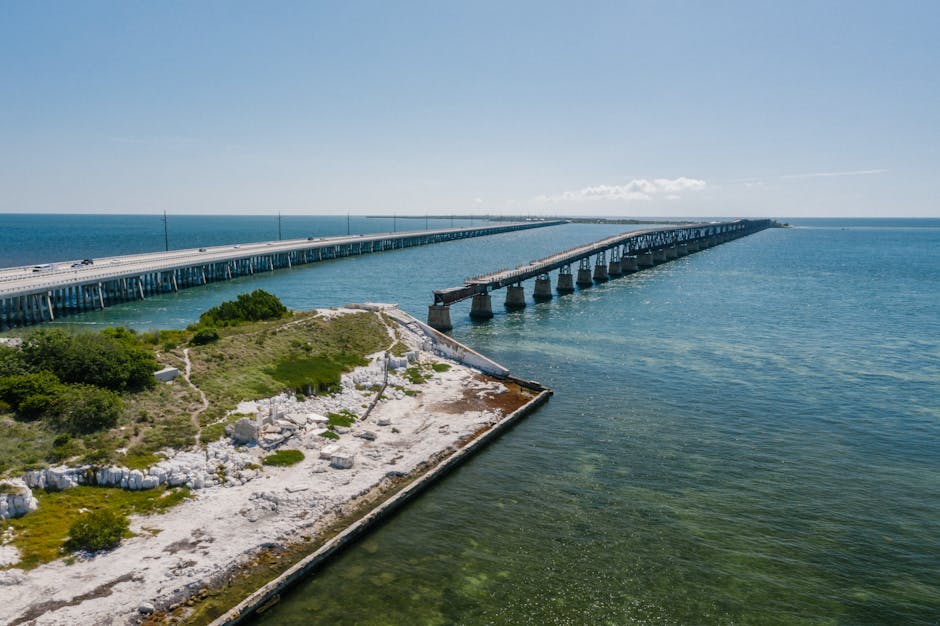
The Florida Keys stretch about 120 miles southwest from Miami, a thin chain of islands connected by the Overseas Highway. Most people know them as a diving and snorkeling destination, and that reputation is earned, though the reality of actually getting in the water here is more complicated than promotional materials suggest. The reefs are accessible, the marine life is genuinely present, but the experience depends heavily on where you go, when you go, and what you’re willing to accept about water conditions and crowds.
The Keys sit at the edge of the continental shelf, which means you can reach living coral reefs without traveling far offshore. The main reef system runs parallel to the islands, roughly two to four miles out, depending on your location. This proximity is part of what makes the Keys different from other diving destinations – you’re not spending hours on a boat to reach the dive site. A thirty-minute ride gets you there most days. That convenience also means the reefs see consistent traffic, which is something to keep in mind if you’re expecting solitude or pristine untouched coral.
Water Clarity and Seasonal Patterns
Water visibility in the Keys varies dramatically by season and recent weather. Winter months, roughly November through March, tend to offer the clearest water. You might see forty to sixty feet on a good day, which is genuinely excellent for reef diving. Summer brings warmer water but also more algae and sediment stirred up by storms and wind. Visibility can drop to fifteen or twenty feet, sometimes less. This isn’t unusable, but it changes the experience significantly. You lose the sense of the reef as a landscape and instead find yourself navigating through a narrower visual window, spotting fish and coral details rather than taking in the broader structure.
Wind patterns matter more than most travelers realize. The Keys are exposed to the Atlantic, and a strong east or southeast wind can kick up the water within hours. If you’re planning a trip and checking forecasts, wind speed is actually more relevant than the general weather prediction. Calm mornings are common even when afternoon winds build, which is why early boat departures tend to offer better conditions. By noon, the water is often rougher and visibility has degraded.
Rain doesn’t necessarily ruin diving or snorkeling here, contrary to what some people assume. The Keys don’t have rivers dumping fresh water into the ocean the way mainland coasts do. Heavy rain can temporarily affect visibility, but it clears quickly. What actually matters more is the tidal cycle and recent storm activity. After a tropical storm or hurricane, even if conditions look calm, the water stays churned up for days.
The Reefs Themselves
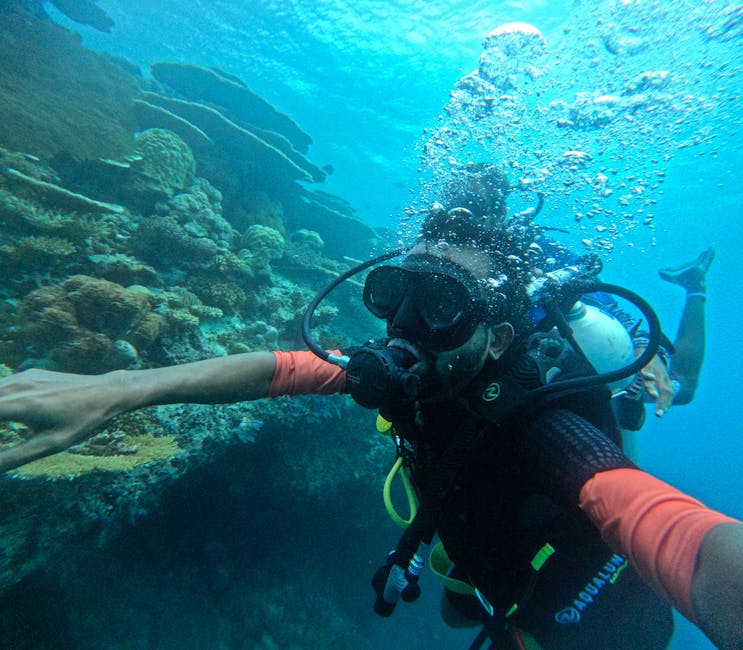
The coral here is predominantly soft coral and gorgonians – sea fans, sea whips, and branching corals that sway with the current. Hard corals like elkhorn and staghorn exist but are less dominant than they once were. The reef structure is real and worth seeing, but it’s not the dense, colorful hard coral gardens you might encounter in the Caribbean or Indo-Pacific. Fish life is abundant though. You’ll see grouper, snapper, parrotfish, angelfish, and on good days, larger predators like sharks and rays. Lobster and sea turtles appear regularly enough that you shouldn’t be shocked to see them, but they’re not guaranteed on every dive.
The reef system has distinct sections. The Upper Keys, around Key Largo, have reefs closer to shore and slightly different species composition than the Middle and Lower Keys. John Pennekamp Coral Reef State Park near Key Largo is the most famous snorkeling area and the most crowded. The park protects part of the reef system, which is good for conservation but means you’re sharing the water with dozens of other snorkelers on any given day. The famous Christ of the Abyss statue sits in about forty feet of water and is a popular dive destination, though the statue itself is less impressive than the surrounding reef.
Moving south toward Marathon and the Lower Keys, the reefs are slightly deeper and the crowds thin out. Looe Key, south of Big Pine Key, is considered one of the healthier reef sections and offers good snorkeling and diving. The water is typically clearer here than in the Upper Keys, and you’re less likely to be in a crowd of thirty people on the same small reef patch. The trade-off is that you need a boat to reach these sites – there’s no shore snorkeling option like you have at Pennekamp.
Practical Realities of Access
If you’re planning to snorkel, understand that most good reef snorkeling requires a boat. Shore snorkeling exists but is limited. Pennekamp has a designated snorkel area accessible from the beach, and a few other spots along the Keys allow wading access to shallow reef, but these are shallow and often crowded. Most serious snorkelers book a boat tour, which typically runs three to four hours and costs forty to eighty dollars per person depending on the operator and location.
Diving requires certification. Open water certification is the minimum, and you can get certified in the Keys if needed, though it’s worth getting certified before you arrive to maximize your diving time. Most dive operators run two-tank morning dives that depart around 8 a.m. and return by early afternoon. Afternoon dives exist but are less common because water conditions typically deteriorate as the day progresses. Night diving is available and offers a different perspective on the reef – nocturnal species emerge, and the reef feels transformed – but it’s an acquired taste and requires additional certification.
Dive costs in the Keys run roughly eighty to one hundred fifty dollars per two-tank dive, depending on the operator and location. This includes equipment rental if needed. The dive shops are concentrated in Key Largo, Marathon, and Key West, with Key Largo having the highest density of operators. Competition is fierce, which keeps prices relatively stable, but quality varies. Newer shops with well-maintained boats and smaller group sizes tend to charge more but offer a noticeably better experience than budget operators running large groups on older vessels.
Crowds and Timing
Peak season runs from November through March, when weather is most stable and water is clearest. This is also when the Keys are most crowded. Boat departures fill up, dive sites are busy, and you’re sharing the reef with more people. If you prefer fewer crowds, May through September is quieter, though you’re accepting warmer water, lower visibility, and a higher chance of afternoon storms. June through September is technically hurricane season, which adds uncertainty, though direct hits on the Keys are rare.
Weekdays are noticeably less crowded than weekends. A Tuesday morning dive will have fewer people than a Saturday, all else being equal. Early morning departures also tend to attract fewer casual tourists and more serious divers, which changes the atmosphere on the boat and underwater.
What You’ll Actually Experience
Snorkeling in the Keys is straightforward if you’re comfortable in the water. You’ll see fish, coral, and possibly larger marine life. The water is warm year-round, though winter is noticeably cooler than summer. A light wetsuit or rash guard is comfortable in winter; summer requires nothing or just sunburn protection. Currents exist but are usually manageable for recreational snorkelers. The main discomfort is usually sun exposure and the physical fatigue of being in the water for hours.
Diving is more technical but also more rewarding in terms of depth and exploration. You can reach deeper sections of the reef, spend more time observing behavior, and access sites that snorkelers can’t reach. The Keys are ideal for recreational diving – not too deep, reasonable bottom times, and interesting marine life at all depth ranges. Nitrogen narcosis isn’t typically an issue at the depths you’ll dive here.
One thing that often surprises visitors is how much of the experience depends on your dive guide or boat captain. A knowledgeable guide who knows where to find turtles, where the sharks typically hang out, and how to position the group to minimize damage to the reef makes a significant difference. Guides vary widely in quality and enthusiasm. Some are genuinely passionate about the reef and marine conservation; others are just moving people through the motions.
The Keys are worth diving and snorkeling if you’re in the region and have the time. The reefs are accessible, the marine life is present, and the logistics are straightforward. Expectations matter though. This isn’t a pristine, untouched reef system. It’s a living reef under pressure from tourism, fishing, and environmental stress, but it’s still functional and worth experiencing. The water is warm, the diving is safe and well-established, and you’ll see things you won’t see elsewhere. Go in with realistic expectations about crowds, visibility, and reef health, and you’ll have a solid experience.