Your first reef tour rarely matches the mental image you’ve built from photos. The reality is slower, wetter, and more physically demanding than brochure descriptions suggest. But it’s also more interesting once you understand what’s actually happening beneath the surface and why the experience unfolds the way it does.
Most reef tours operate from coastal towns or island bases where dive shops and tour operators cluster near the water. The Caribbean, Southeast Asia, the Red Sea, and Australia’s Great Barrier region are the most common starting points for travelers. Tours typically depart early – often between 6 and 8 AM – which means you’ll need to wake before dawn, eat something light, and arrive at the dock while the air is still cool and the water is glassy. This early timing isn’t romantic; it’s practical. Calm water in the morning means easier boat rides, better visibility, and fewer tourists crowding the same patch of reef.
The boat itself is usually smaller than you’d expect. A typical reef tour carries 8 to 20 people on a vessel that feels cramped once everyone’s wearing wetsuits and carrying gear. You’ll sit on hard benches, get splashed by spray, and spend 20 to 45 minutes traveling to the reef site depending on distance. Seasickness is real. Even calm-looking water can create a gentle rolling motion that affects some people within the first 10 minutes. If you’re prone to motion sickness, take medication before boarding – waiting until you feel queasy is too late.
The Physical Reality of Getting in the Water
Entering the water for the first time on a reef tour involves more logistics than you might anticipate. You’ll need to put on fins, adjust your mask, check your snorkel or regulator, and then shuffle to the edge of the boat in gear that feels awkward on land. The water temperature varies dramatically by location and season. Tropical reefs in winter can be surprisingly cool – 60 to 70 degrees Fahrenheit – which is why wetsuits are provided or recommended. Cold water drains energy faster than you realize, and even experienced swimmers feel the difference after 30 minutes.
Your first moments in the water often involve a brief moment of disorientation. The mask creates tunnel vision. Your breathing sounds loud in your own ears. The reef below might be closer or farther than it appears due to refraction. Most tour operators give a quick safety briefing on the boat, but the actual experience of following a guide while managing your breathing and body position takes adjustment. This is completely normal. After five to ten minutes, your body settles and you stop fighting the environment.
Visibility on reefs varies wildly. You might encounter crystal-clear water where you can see 80 feet in every direction, or you might find yourself in a hazy blue-green soup where visibility drops to 20 feet. This depends on season, recent weather, tidal movement, and the specific reef. Caribbean reefs often have lower visibility than Indo-Pacific reefs. The Red Sea tends toward exceptional clarity. If you’ve seen underwater documentaries shot in perfect conditions, reality can feel disappointing by comparison. Murky water is still a reef – it’s just different.
What You’ll Actually See and How Long It Takes
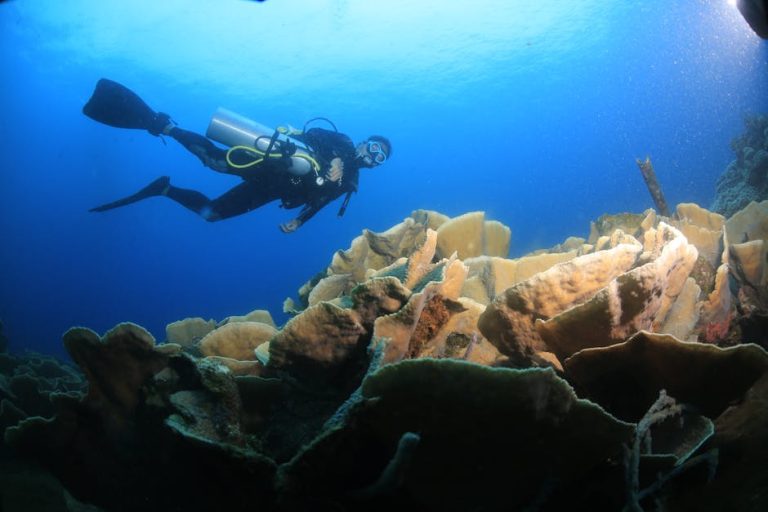
Fish appear immediately, but not in the concentrated masses you might expect. You’ll see small schools of colorful reef fish, some larger predatory fish cruising the edges, and plenty of empty water. Coral formations are usually the main visual anchor – brain corals, branching corals, table corals – and they’re genuinely striking when you’re floating above them. Sea turtles, rays, and sharks do appear on reef tours, but not on every tour. Expecting to see a specific animal is a recipe for disappointment. You see what’s there that day.
A typical reef tour lasts 2 to 3 hours total, with 45 minutes to 90 minutes actually in the water. That time moves differently than you’d expect. Underwater, 30 minutes can feel like 15 or like an hour depending on what you’re experiencing and how comfortable you are. Your guide will keep the group moving along the reef, pointing out features and creatures. Staying with the group requires constant attention – it’s easy to drift away while focused on something interesting.
Fatigue sets in gradually. Your legs work harder than usual because of fin resistance. Your core engages to maintain horizontal position. Your neck strains from looking down and up repeatedly. If you’re breathing through a snorkel, your jaw gets tired. None of this is dangerous, but it’s physical work that land-based activities don’t prepare you for. By the time you’re back on the boat, most people feel genuinely tired.
Crowds and the Reef Experience
Popular reef destinations have become crowded in recent years. If you’re visiting during peak season – December through February in the Caribbean, July and August in the Mediterranean – you might find 50 or more people on the same small reef section. Multiple tour boats arrive at the same time. Guides herd groups along established paths. The experience becomes more about moving through a location than exploring it. Off-season tours, by contrast, might have only your small group in the water, which changes the entire feeling of the experience.
The time of day matters more than most travelers realize. Tours departing at 6 AM will have the reef largely to themselves. Tours leaving at 10 AM will encounter other groups. Afternoon tours are the busiest. If you have flexibility with timing, early departures deliver a noticeably different experience – more fish activity, fewer people, and a sense of discovery rather than tourism.
The Sensory Details Nobody Mentions
The water tastes salty and slightly chemical if you accidentally inhale through your snorkel. Your ears feel pressure as you descend, even in shallow snorkeling. The sun reflecting off the water creates a disorienting brightness that can trigger headaches if you’re sensitive to light. Your skin prunes rapidly in saltwater. Hair gets matted and tangled. Sunburn happens on your back and shoulders even on cloudy days because of reflection. These details matter because they affect how you feel during and after the tour.
The reef itself makes sounds – subtle clicks, pops, and grinding noises from fish and crustaceans. Once you notice it, it becomes part of the experience. The water has texture and resistance that feels nothing like a swimming pool. Temperature variations exist – warmer patches and cooler currents – that you’ll feel on your skin.
After You Get Out of the Water
The return boat ride often feels longer than the outbound journey, possibly because you’re tired and your body temperature is dropping. You’ll be cold even in tropical locations once you’re out of the water and exposed to wind. Bring a towel and wear a rash guard or shirt. Fresh water showers are usually available at the tour operator’s base, though sometimes they’re lukewarm and low-pressure. Changing out of a wet wetsuit is awkward and takes longer than you’d think.
Most people feel hungry immediately after a reef tour despite eating breakfast. The physical exertion and time in cool water accelerates metabolism. Many tour operators include a light lunch or snacks. If not, plan to eat soon after returning.
Your first reef tour is rarely transcendent, but it’s almost always interesting. The underwater world operates on different rules than land, and your brain needs time to process what you’re seeing. Subsequent reef tours feel more relaxed because you’re not spending mental energy on basic orientation and safety. You can actually observe instead of just surviving the experience. Understanding this progression helps you appreciate what’s happening on that first tour rather than judging it against unrealistic expectations.