Pregnant women considering reef tours face a specific set of constraints that most travel guides gloss over. The appeal is obvious – coral reefs are stunning, and many expectant mothers want to experience them before their travel becomes more complicated. But the reality of floating over a reef for two or three hours while managing pregnancy’s physical demands requires honest assessment before booking.
The core issue isn’t whether reef tours are absolutely forbidden during pregnancy. Medical guidance varies, and many women do snorkel safely in their second trimester. The real question is whether the experience will feel good, whether the logistics will work, and what happens if conditions shift unexpectedly once you’re already in the water.
Water Temperature and Physical Tolerance
Pregnant bodies regulate heat differently. The added blood volume and metabolic demands of pregnancy mean you’ll feel warmer than usual on land, but water temperature becomes a different consideration. Tropical reef waters around 28 – 30°C feel pleasant initially, but prolonged immersion affects core temperature regulation in ways that aren’t always predictable.
A wetsuit or rash guard becomes more than sun protection – it provides thermal insulation that helps maintain stability. Many expectant mothers find that even in warm water, they feel chilled after 90 minutes. The physical effort of floating and moving through water, combined with pregnancy’s increased metabolic demands, can create fatigue that arrives suddenly rather than gradually.
Morning reef tours typically offer the calmest water conditions and the least crowded experience. The reef looks different at different times of day. Early morning light penetrates the water more clearly, and the fish behavior is more active before the midday heat drives them deeper. If you’re going to attempt a reef tour while pregnant, timing it for the first tour of the day – usually departing around 8 or 9 AM – gives you the best conditions and the shortest window of exposure.
The Physical Reality of Snorkeling
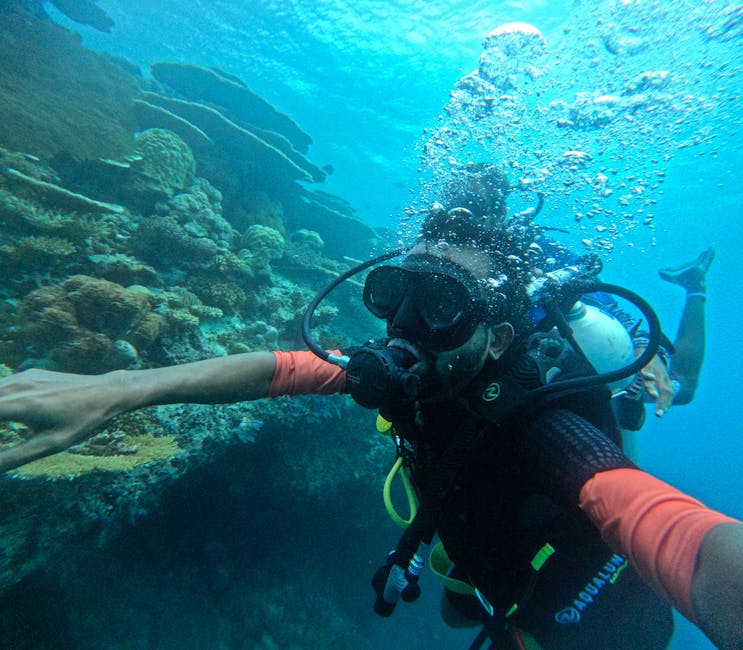
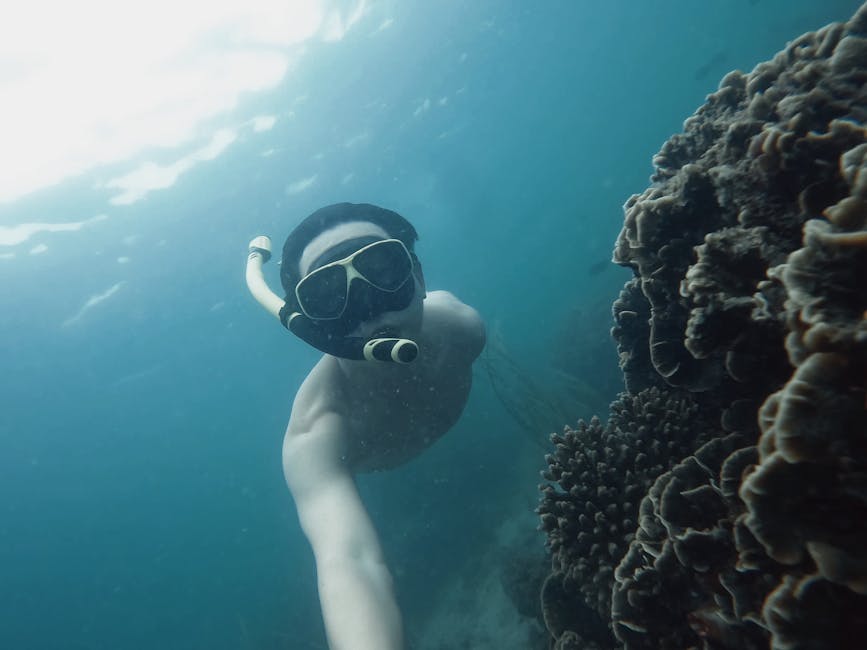
Snorkeling isn’t passive floating. Even experienced snorkelers expend energy maintaining position, managing breathing through the snorkel, and navigating currents. A pregnant body has a shifted center of gravity and altered buoyancy. The extra weight distributed across your abdomen changes how you float and how much effort stabilizing yourself requires.
Most reef tour operators use reef shoes and provide flotation vests. The vest helps, but it also creates a bulky feeling that some pregnant women find uncomfortable rather than reassuring. Getting in and out of the water from a boat while pregnant is genuinely awkward. Boat ladders aren’t designed with this in mind, and the combination of wet surfaces, movement, and an off-balance center of gravity creates real slip hazards.
The snorkel itself demands continuous mouth breathing, which some pregnant women find anxiety-inducing. Pregnancy can heighten awareness of breathing patterns, and the sensation of breathing through a tube while floating over deep water triggers discomfort in some expectant mothers even if they’ve snorkeled before. This isn’t irrational – it’s a legitimate physical and psychological response that’s hard to predict until you’re actually in the water.
Timing Within Pregnancy
Second trimester – roughly weeks 14 to 20 – is when most medical professionals consider reef tours most feasible. First trimester carries higher miscarriage risk, and many doctors recommend avoiding unnecessary activities. Third trimester brings fatigue, swelling, and reduced mobility that make reef tours impractical regardless of medical clearance.
Even within the second trimester, the experience changes week to week. At 16 weeks, you might feel fine. At 22 weeks, the same tour might feel exhausting. Pregnancy isn’t a stable state. Energy levels, nausea, dizziness, and physical tolerance fluctuate unpredictably. A reef tour booked months in advance might align perfectly with a good week, or it might land during a week when you’re managing significant fatigue or swelling.
Practical Logistics and Contingencies
Reef tours operate on fixed schedules. If you’re not feeling well on the morning of departure, cancellation policies rarely offer full refunds, especially in remote coastal areas where tours depend on group bookings. Many operators won’t refund for medical reasons or “change of mind” once you’ve paid.
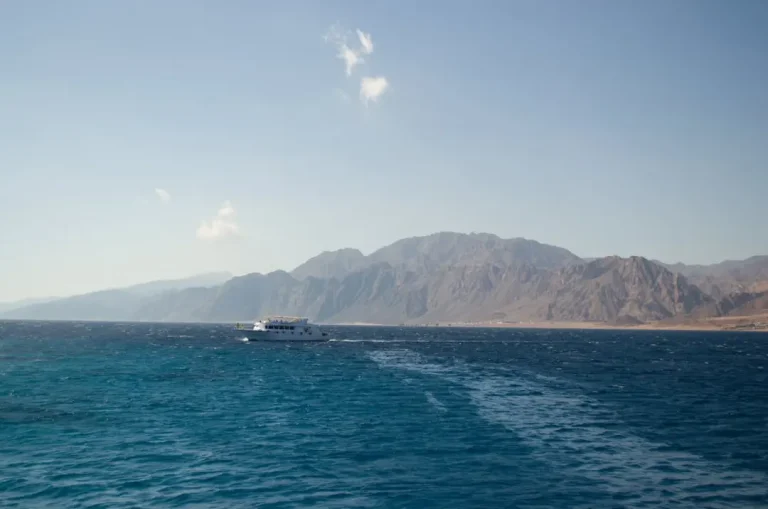
The boat ride itself matters. Some reef tours involve 20 minutes of travel to the reef site; others involve an hour or more. Boat motion affects pregnant women differently than non-pregnant travelers. Seasickness medication is generally considered safe during pregnancy, but many expectant mothers prefer to avoid medication when possible. The combination of boat motion, sun exposure, and the physical demands of snorkeling can trigger nausea or dizziness that wasn’t present on land.
Once you’re at the reef site, you’re committed. If you feel unwell in the water, the boat crew will retrieve you, but there’s no graceful exit. You’re either in the water or on the boat, and the boat waits for the full group. This lack of flexibility bothers some pregnant women more than others, but it’s worth acknowledging before you commit.
Reef Conditions and Safety Considerations
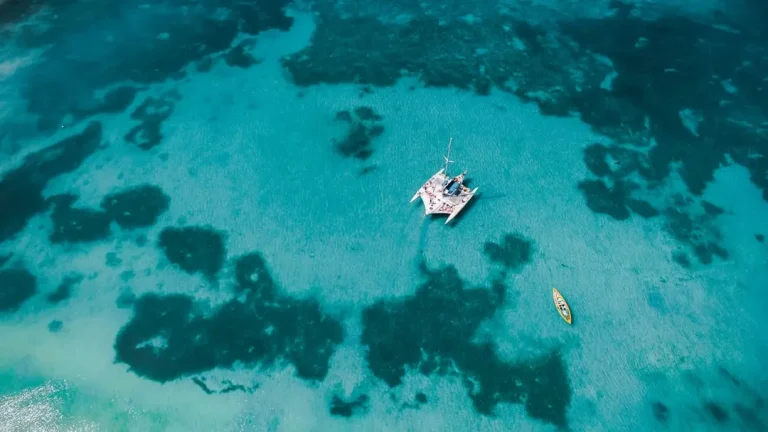
Coral reefs vary dramatically. A reef in calm, shallow water with minimal current is fundamentally different from a reef with strong surge or deeper sections. Tour operators describe conditions as “suitable for all levels,” but that assessment doesn’t account for pregnancy-specific factors like reduced balance, altered buoyancy, and the psychological weight of knowing you’re responsible for another person’s wellbeing.
Strong currents are common in many reef systems. The current itself isn’t dangerous if you’re experienced and confident, but managing current while pregnant – especially if you’re already uncertain about your physical tolerance – adds stress. Some reefs have sections where you’re expected to drift with the current while observing fish and coral. This requires relaxation and trust in your buoyancy, which is harder to maintain if you’re already anxious.
Sun exposure is another factor. Reef tours typically last two to three hours, with limited shade on the boat. Pregnancy increases skin sensitivity and the risk of heat exhaustion. Sunscreen needs reapplication, but you’re wet and moving in and out of the water. The combination of sun, salt water, and physical exertion can trigger dehydration faster than you’d expect. Boat crews usually offer water, but staying adequately hydrated while snorkeling is harder than it sounds.
Alternatives That Might Feel Better
Glass-bottom boat tours or reef viewing platforms offer reef observation without the physical demands of snorkeling. You see the reef clearly, the experience is shorter, and you remain on a stable platform. The visual experience is different – you’re not immersed in the environment – but for many pregnant women, this trade-off feels worthwhile.
Shallow-water wading in reef areas is another option. Some coastal destinations have reef flats where you can walk in knee-deep water and observe coral and fish without snorkeling or swimming. This requires far less physical effort and gives you complete control over your position and exertion level. The reef experience is more limited, but the comfort and safety trade-off appeals to many expectant mothers.
Waiting until after pregnancy is also a legitimate choice. Reef tours aren’t time-limited experiences. The reefs will be there in six months or a year. Traveling with a newborn is complicated, but many women find that waiting until their body has recovered from pregnancy feels less risky and more enjoyable than attempting reef tours while pregnant.
If you do decide to attempt a reef tour while pregnant, inform the boat crew about your pregnancy before boarding. They can offer specific guidance about entry and exit, monitor you during the tour, and adjust your experience if needed. Bring extra water, wear a rash guard for thermal protection, and plan for the shortest tour option available. Start with a calm reef site rather than one known for currents or depth. Most importantly, listen to how your body feels in the water. If discomfort or anxiety surfaces, it’s not failure – it’s useful information about what works for you during this particular time in your life.