Island hopping sounds straightforward until you’re actually doing it. The reality involves ferry schedules that shift with weather, boats that leave when they’re full rather than on time, and the constant negotiation between wanting to see more and accepting that your body needs rest. Most travelers arrive with an optimistic mental map of how many islands they’ll visit in a week. Reality usually cuts that number in half, and you’ll spend more time waiting for transport than you expected.
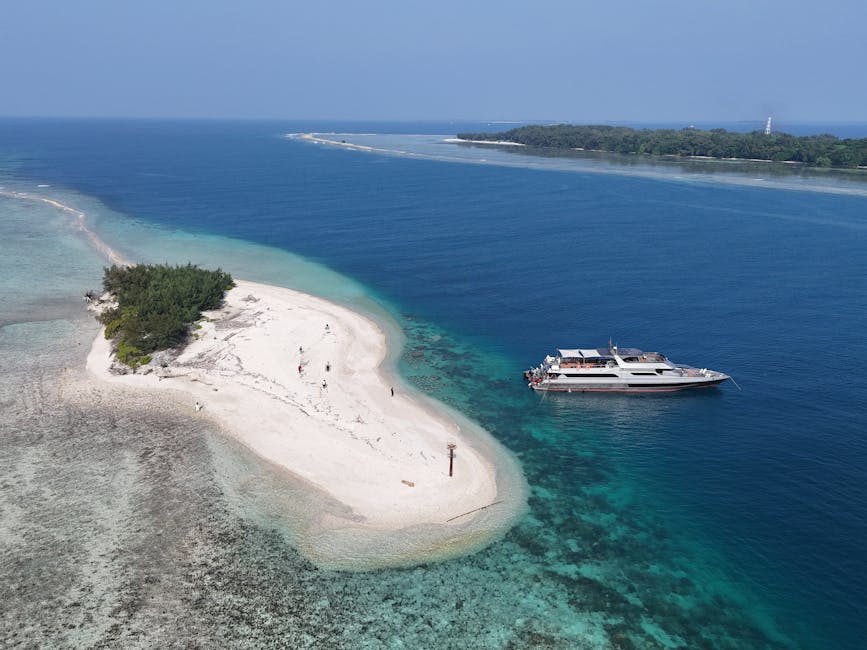
The appeal is real enough. Moving between islands lets you experience different rhythms and water conditions without committing to a single location for weeks. One island might have calm, clear lagoons ideal for snorkeling. The next, a few hours away by boat, could have rougher conditions but better reef structure and more diverse marine life. The variety keeps the experience from feeling static, and there’s something satisfying about waking up in a new place every few days.
But the logistics wear on you faster than guidebooks suggest. Packing and unpacking repeatedly becomes tedious. You learn quickly that traveling with minimal luggage isn’t just about comfort – it’s about survival. Heavy bags on small boats, uneven dock access, and the simple friction of moving between accommodations makes you ruthless about what you actually need. Most experienced island hoppers travel with one small backpack and accept that laundry service or hand-washing becomes part of the routine.
Reef Conditions and What You’ll Actually See
Reef exploration depends almost entirely on water clarity, tide timing, and seasonal conditions. This is where expectations collide hardest with reality. You might arrive at a reef that’s supposed to be spectacular only to find the water cloudy from recent rain or a tide that’s pulled the water level down, leaving shallow patches where you’d hoped for depth. The coral and fish are still there, but the visibility that makes the experience memorable is gone.
Timing matters more than most travelers realize. Early morning snorkeling, roughly between 6:30 and 8:30 AM, offers the clearest water and the best light. The reef feels different at this hour – less crowded, calmer, and the fish behavior is more natural. By mid-morning, tour groups have arrived, the water temperature has warmed and stirred up sediment, and the reef feels busier and less pristine. Late afternoon brings better light for photography but also fatigue from a full day of sun exposure.
Seasonal patterns vary by region, but most tropical reef areas experience clearer water during dry seasons and cloudier conditions during monsoon or rainy periods. A reef you visit in December might be dramatically different from the same reef in July. Water temperature also shifts enough to affect which species you’ll encounter and how active they are. Warmer water brings more fish activity but also increases algae growth. Cooler water, often from upwelling or seasonal changes, can reduce visibility but brings larger pelagic species closer to shore.
The Physical Reality of Repeated Snorkeling
Spending several hours a day in the water, multiple days in a row, affects your body in ways that aren’t obvious until you’re committed to the schedule. Sun exposure accumulates even with reef-safe sunscreen. Your shoulders, the back of your neck, and the tops of your feet burn despite precautions. Saltwater exposure dries your skin and hair. Constant immersion softens the skin on your feet, making them tender.
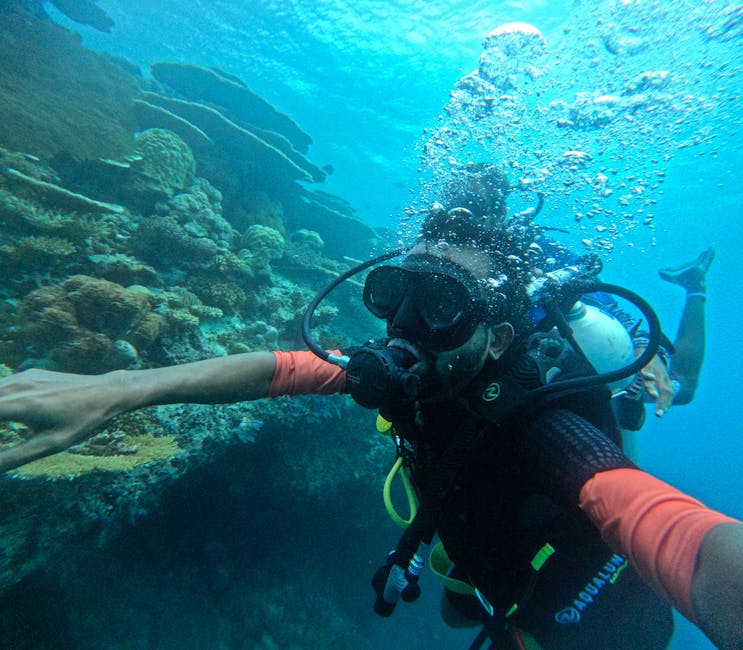
Fatigue sets in differently than land-based travel. Snorkeling requires sustained physical effort – maintaining buoyancy, swimming against currents, and staying alert to your surroundings. A full day of reef exploration leaves you more tired than a day of island walking, even though it feels less strenuous in the moment. By day four or five of continuous snorkeling, many travelers notice their energy dropping noticeably. This isn’t weakness; it’s a legitimate physical response to sustained activity in a marine environment.
Dehydration sneaks up on you because you’re surrounded by water and don’t notice how much fluid you’re losing. You need to drink more fresh water than feels necessary. Salt water exposure also affects your eyes – contact lenses become uncomfortable, and even with goggles, the salt irritates eyes over time. Experienced reef explorers learn to rinse their face and eyes with fresh water frequently and accept that some days, the water just doesn’t feel as comfortable as others.
Moving Between Islands: Transport and Timing
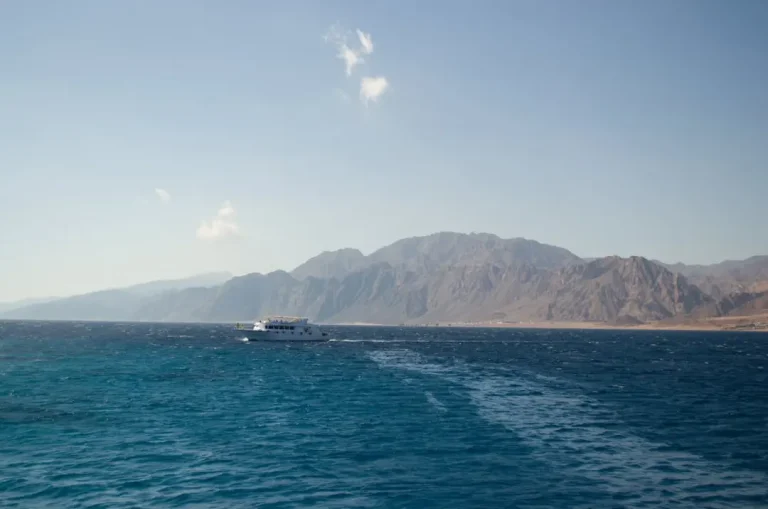
Ferry systems and boat services in island regions operate on different logic than mainland transport. Schedules exist, but weather, passenger load, and fuel considerations often override them. A boat scheduled to depart at 9 AM might leave at 8:30 if it’s full or at 10:30 if the captain is waiting for a few more passengers to make the trip economically viable. This unpredictability frustrates travelers accustomed to reliable schedules but becomes normal after a few days.
Rough seas affect which routes operate and which don’t. A crossing that’s smooth one day might be cancelled the next due to wind or swell. Local boat operators have decades of experience reading conditions, and they make conservative decisions about safety. This means sometimes you’ll be stuck on an island longer than planned, or a route you wanted to take becomes unavailable. Flexibility isn’t just helpful; it’s essential.
The boats themselves vary widely. Some are modern ferries with covered seating and decent facilities. Others are smaller, open wooden boats where you sit on benches and get wet from spray. Larger boats offer more comfort but often feel crowded and impersonal. Smaller boats provide a more intimate experience and better views but expose you to weather. Most island hoppers experience both and develop preferences based on the specific crossing and their mood that day.
Marine Life Encounters and Realistic Expectations
Reef ecosystems are active and diverse, but encounters with larger marine animals are less common than promotional materials suggest. You’ll see abundant small fish, coral formations, and invertebrates. Larger species like rays, sharks, and sea turtles do inhabit reef areas, but spotting them requires luck, timing, and often, the guidance of experienced local guides who know where animals are most likely to appear.
Fish behavior changes based on human presence. Reefs near heavily trafficked tourist areas show fish that are accustomed to snorkelers and less skittish. Reefs visited less frequently have fish that flee at your approach. Neither experience is “better” – they’re just different. The trade-off is between seeing abundant, approachable marine life and experiencing a reef ecosystem that feels less disturbed by human presence.
Coral health varies dramatically between locations and even between different sections of the same reef. Some areas show vibrant, healthy coral with excellent biodiversity. Others show bleached sections, algae overgrowth, or visible damage from storms or human activity. These differences aren’t always obvious from above the water. Snorkeling through a damaged section of reef is sobering and offers perspective on the fragility of these ecosystems.
The Rhythm of Island Life
Islands operate on rhythms different from mainland destinations. Shops close unpredictably. Restaurants might not open if the owner decides not to that day. Services you expect to be available might not exist. This isn’t disorganization; it’s simply how island economies function with smaller populations and different priorities. Accepting this rhythm rather than fighting it makes the experience more pleasant.
The pace of life is noticeably slower. Things take longer. A simple meal requires patience. Getting from one place to another involves waiting. This slowness is part of the appeal for many travelers, but it can also be frustrating if you’re accustomed to efficiency and quick service. The islands don’t speed up for your schedule; you adapt to theirs.
Evening atmosphere on small islands feels distinct from daytime. As the sun sets, the temperature drops, the light changes, and the island becomes quieter. Tourist activity winds down. Local life becomes more visible. This is when you notice the actual community – people going about their evening routines, children playing, small gatherings at local spots. It’s a different island than the one you experienced during the day, and it’s worth experiencing rather than spending every evening at the main tourist area.
Island hopping and reef exploration work best when you release the need to optimize every moment. The appeal lies partly in the inefficiency, the waiting, the unexpected changes of plan. You’ll see remarkable reefs and experience islands that feel genuinely different from each other. You’ll also spend time on boats, deal with weather delays, and realize that some of your carefully planned snorkeling days won’t happen as imagined. That’s not a failure of the experience; it’s the actual experience.