The Great Barrier Reef is one of those places where traveling alone changes what you actually experience. Not because of anything mystical, but because you move at your own pace, notice things others skip, and develop a rhythm with the water and the reef that group travel rarely allows.
I’ve spent time there both ways – with others and alone – and the difference is tangible. When you’re solo, you’re not negotiating someone else’s energy level, their comfort with water, their interest in sitting quietly on a boat, or their need to move to the next thing. You wake when you want. You stay in the water as long as your body allows. You book tours that match your actual curiosity, not a compromise version of it.
The practical advantage of moving alone
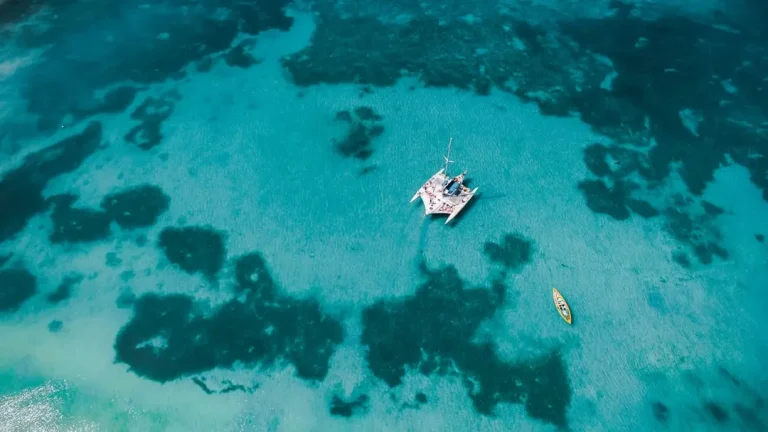
Solo travelers have a genuine edge on the reef. Tour operators know this. They’re more flexible with single travelers than with groups. If you want to book a smaller boat instead of the 200-person catamaran, operators will work with you. If you’re interested in a specific section of reef or a particular type of dive, you can negotiate that directly without managing group consensus.
The logistics also simplify. You don’t need to coordinate pickup times with anyone. You don’t have to wait for someone else to get ready. You can eat breakfast at 5 a.m. if the light is right, or skip it entirely if you’re not hungry. This matters more than it sounds when you’re trying to maximize time on the water during optimal conditions.
Accommodation works differently too. Solo travelers often find themselves in shared accommodations or smaller guesthouses rather than resort blocks. This puts you closer to locals who actually know the reef – dive shop owners, boat captains, longtime residents. You hear things tourists don’t. You learn which reefs are clearer this time of year, which operators are worth the money, which times of day the water temperature shifts.
Water clarity and timing
The reef’s visibility changes dramatically depending on season, tide, and time of day. Between November and March, the water is warmer but often cloudier from monsoonal weather. June through October is cooler and clearer, but the wind can be unpredictable. Most people book reef trips without understanding this, then wonder why the water looks murky.
When you’re traveling solo, you have the flexibility to adjust. You can wait a day if the forecast looks poor. You can wake early to catch the clearest water, which typically happens in the first few hours after sunrise before boat traffic stirs up sediment. You can talk to your boat captain the night before and ask specifically where clarity is best that day. Group tours run on fixed schedules regardless of conditions.
The tide matters too. The reef looks and feels different depending on whether the tide is coming in or going out. Solo travelers can time their visits around tidal charts if they care enough to check them. Most don’t, but the ones who do see a noticeably different reef.
What you actually notice alone
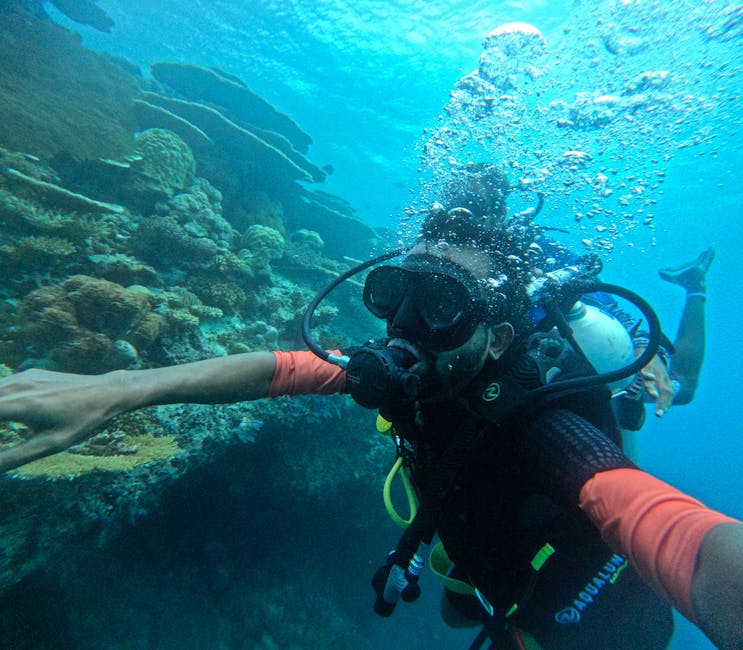
Solitude on the reef creates space for observation. You notice the small movements – the way a parrotfish grazes on coral, the sudden scatter of smaller fish when a larger one passes, the texture of different coral species, the patterns in how fish school together. These details disappear when you’re managing conversation or keeping up with a group’s pace.
There’s also a psychological shift. On group tours, you’re often in a state of mild performance – aware of others around you, trying to keep up, managing your own anxiety about being underwater or in a boat. Alone, that falls away. You settle into the rhythm of breathing, looking, moving. You stay longer in one spot because there’s no one waiting for you to move on.
The reef itself feels different at different times of day. Early morning, before most boats arrive, it’s quieter. The light is softer. Fish behavior is different – they’re more active, less cautious. By mid-morning, once the tour boats have stacked up, the reef feels crowded and the fish are more skittish. Afternoon brings a different energy again. Solo travelers can experience all of these versions. Group tours lock you into one.
The physical reality of reef time
Spending hours in saltwater is harder than it sounds. Your skin gets raw. Your sinuses fill with salt. Your eyes sting even with a mask. Your neck gets stiff from looking down. Your legs cramp from finning. These aren’t dramatic problems, but they’re real, and they accumulate.
When you’re alone, you can manage them your way. You can get out of the water when you need to, rest on the boat without feeling like you’re holding others back, or deciding you’re done for the day without negotiating. You can spend an hour in the water and be satisfied with that instead of pushing yourself because others want to stay longer.
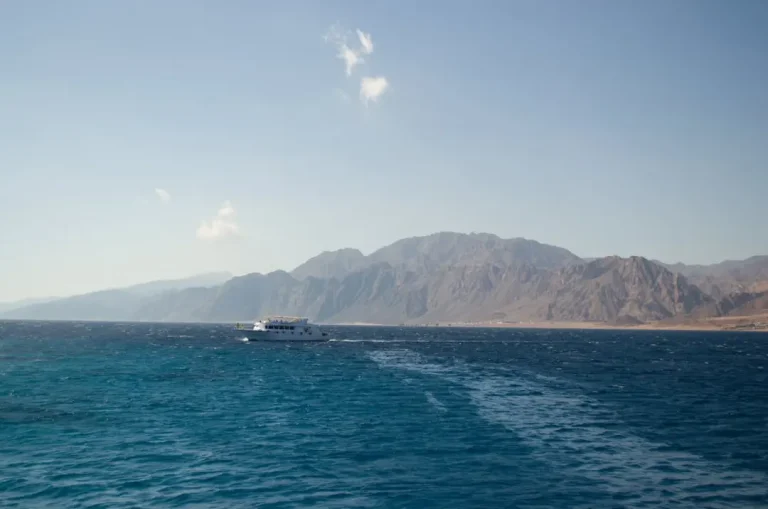
Seasickness is another factor people underestimate. The reef is 40 to 60 kilometers offshore depending on which section you visit. The boat ride matters. Some people get sick; some don’t. When you’re traveling alone and you start feeling queasy, you can take medication early, position yourself on the boat differently, or decide that snorkeling isn’t happening that day and you’ll try again tomorrow. You’re not disappointing anyone but yourself.
The social element
Interestingly, traveling solo to the reef doesn’t mean you’re isolated. Most reef tours are social by nature. You’ll be on a boat with other people. You’ll likely meet other solo travelers. But the difference is that you choose when to engage and when to stay quiet. You can have a conversation with someone at breakfast and then spend the day focused on the reef without feeling obligated to maintain that connection.
The reef itself is social in its own way. You’re observing a living system with thousands of interactions happening around you. That’s often more engaging than human conversation anyway.
Cost and logistics
Solo travel to the reef is logistically straightforward. You fly into Cairns or Port Douglas, book accommodation, arrange a tour, and go. Most reef tours operate daily from both towns. You don’t need to rent a car unless you want to explore beyond the immediate reef area. Public transport works fine. The main cost is the tour itself, which runs between $150 and $300 depending on boat size and what’s included.
Accommodation in Cairns ranges widely. Budget hostels are $20 to $40 per night. Mid-range hotels are $80 to $150. You can eat well for $15 to $25 per meal if you’re not in a resort. The reef trip itself is the main expense, not the supporting logistics.
Solo travelers often find they spend less overall because they’re not caught in the social pressure to do expensive activities or eat at tourist restaurants. You can grab fish and chips from a local shop, sit on the waterfront, and watch the light change. That costs almost nothing and beats most restaurant experiences.
When to go
The reef is accessible year-round, but the experience shifts seasonally. Winter (June to August) brings cooler water and clearer visibility, but also stronger winds and occasional rough seas. Summer (December to February) is warmer and calmer, but visibility can be compromised by rain and runoff. The shoulder seasons of April-May and September-November are often ideal – warm enough to be comfortable, clear enough to see well, and less crowded than peak times.
Most solo travelers don’t plan months in advance. They book a week or two out, which actually works in their favor. You can check weather patterns and book when conditions look good. You’re not locked into a date because of group coordination.
The reef is worth the time and expense. It’s genuinely one of the world’s significant ecosystems. But what makes it worth doing solo is the ability to experience it on your terms – at your pace, with your interests, without compromise. You’ll see more, notice more, and remember it differently than you would as part of a group.