The Great Barrier Reef sits off the coast of Queensland in northeastern Australia, stretching over 1,400 kilometers along the mainland. It’s one of those destinations families hear about constantly, and the assumption is that it’s automatically suitable for children. The reality is more nuanced. Some age groups thrive there. Others find it underwhelming or exhausting. Much depends on what your children can actually tolerate – water time, boat motion, heat, waiting, and the specific logistics of reef access.
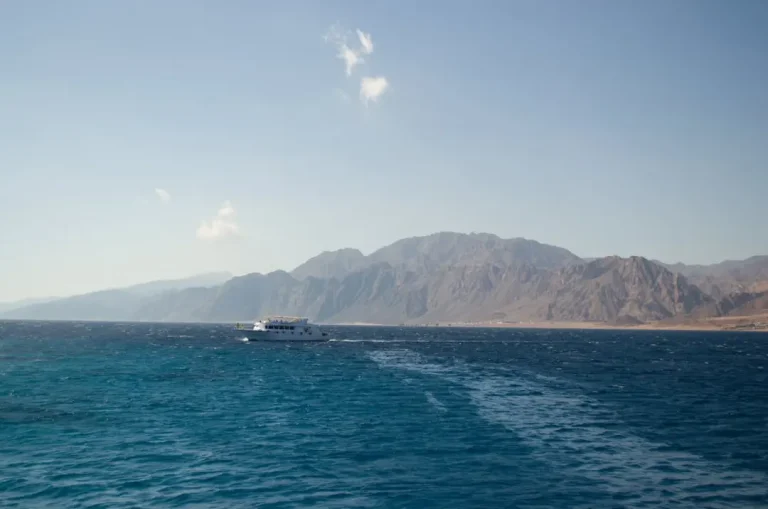
The reef itself isn’t one place you can walk to. You need to take a boat from a coastal town like Cairns, Port Douglas, or the Whitsunday Islands. The journey out takes anywhere from 45 minutes to two hours depending on which reef site you’re visiting. That boat ride matters more than people realize when you’re traveling with young children. The water can be rough, especially in winter months or if a weather system is moving through. Kids prone to motion sickness or who become anxious on boats will struggle before they even see the reef.
Ages 0 to 3: Logistically Challenging
Infants and toddlers under three are genuinely difficult to manage on a reef trip. The boat ride alone becomes a test of patience and logistics. You’re managing a small child in a confined space, often with limited shade, for an extended period. Once you arrive at the reef site, there’s nowhere to put a baby down safely. The boat deck is crowded with other passengers. The water is deep. There’s no gentle beach entry like you might find at a tropical resort.
If your toddler isn’t confident in water or can’t swim, they’re essentially sidelined. Most reef operators require children under a certain age to wear life jackets, which is sensible but adds another layer of equipment management. You’ll spend most of the reef visit supervising rather than enjoying it yourself. Parents often find they’ve paid significant money for a trip where they spent more time managing their child than actually looking at coral.
The heat is another factor people underestimate. Reef boats have some shaded areas, but not enough for everyone. Babies and toddlers overheat quickly and become irritable. Sunscreen needs reapplying constantly. You’re carrying extra bags with supplies, changes of clothes, nappies, and food. By midday, most families with very young children are exhausted and ready to leave.
Ages 4 to 7: The Sweet Spot Begins
Around age four or five, things shift. Children at this age can usually handle the boat ride without major distress. They’re old enough to understand basic instructions about staying safe near water. They can snorkel or at least put their face in the water with a guide’s support. They’re genuinely curious about fish and coral, which makes the experience feel worthwhile rather than like an obligation.
That said, this age group still needs careful management. Not all five-year-olds are confident swimmers. Some panic when they can’t touch the bottom. Others get cold quickly in reef water, even in summer. Most reef operators provide wetsuits for children, which helps, but a child who’s uncomfortable in the water will make the experience unpleasant for everyone. You’ll be in the water with them, which means you’re not actually exploring or relaxing.
The attention span matters too. A four-year-old might be fascinated by a clownfish for five minutes, then bored. They’ll want to eat, go to the toilet, or leave the water. The reef experience is best when you can spend at least two to three hours in the water. Younger children in this bracket often tap out after 90 minutes. You’ve paid for a full-day trip but only used half of it.
Ages 8 to 12: Genuine Engagement
This is where reef trips start to make real sense. Children aged eight and up can usually snorkel independently or with minimal support. They can stay in the water for extended periods. They have the cognitive ability to be genuinely interested in what they’re seeing – the different species, the structure of the reef, how ecosystems work. Many kids this age ask actual questions rather than just wanting to leave.
The boat ride is manageable for most children in this range. They can entertain themselves, read, or watch the water. They understand safety instructions and can follow them. They’re less likely to panic in deeper water if they’re comfortable swimmers. The physical demands of the trip – the sun exposure, the time in water, the need to be alert and engaged – align better with their capabilities.
This age group also benefits from the educational angle. Reef guides often provide information about coral bleaching, marine conservation, and species identification. Kids aged 10 to 12 can engage with this content meaningfully. Parents often find their children remember details from the reef trip months later and become interested in marine biology or environmental issues as a result.
Ages 13 and Up: Variable Interest
Teenagers can physically handle reef trips without issue. The logistics are straightforward. But interest varies dramatically. Some teenagers find snorkeling genuinely engaging and want to spend hours exploring. Others find it boring compared to their phones or other activities. If your teenager is already resistant to family activities, the reef trip won’t magically change that.
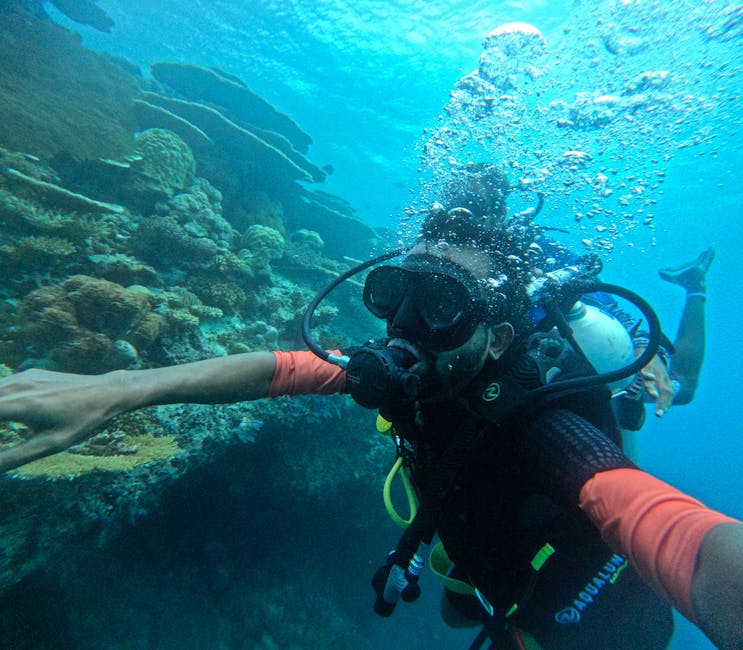
For teenagers who are interested in diving or underwater photography, the reef becomes genuinely compelling. Some reef operators offer introductory diving courses for teens aged 10 and up. This transforms the experience from passive snorkeling to active skill-building. A teenager learning to dive at the reef is engaged in a way that pure snorkeling might not achieve.
Water Confidence and Swimming Ability
Across all age groups, actual swimming ability matters more than age. A confident seven-year-old swimmer will have a better reef experience than a nervous nine-year-old who’s still building confidence in water. If your child panics in deep water or hasn’t spent much time in the ocean, the reef trip becomes stressful rather than enjoyable. The reef environment is different from a swimming pool. The water is deeper, saltier, and there are currents you can feel.
Before booking a reef trip, honestly assess your child’s water comfort. If they’re not confident, consider spending time at a beach or pool before the trip to build their comfort level. Some families find that a guided reef walk in shallow water (available at certain reef sites) works better than snorkeling if their children aren’t strong swimmers.
Seasonal and Weather Realities
The reef experience changes dramatically with season and weather. During the Australian summer (December to February), the water is warm and visibility is generally good, but it’s also peak tourist season. Boats are crowded. The heat is intense. Winter months (June to August) have cooler water and fewer tourists, but visibility can be reduced and the water temperature requires thicker wetsuits.
Rough seas can shut down reef access entirely. If you’re traveling with children who get motion sickness, you’re gambling with conditions you can’t control. A calm day makes the boat ride manageable. A rough day makes it miserable. This is why experienced reef travelers often book multiple days and stay flexible rather than committing to a single reef trip.
The reef itself changes seasonally too. Coral spawning events happen at specific times of year. Certain fish species are more visible in different seasons. Visibility varies based on tides and recent weather. If you’re hoping to see specific marine life, timing matters. A family visiting in the wrong season might see fewer fish and less vibrant coral than they expected, which can feel disappointing if you’ve built up expectations.
Practical Considerations That Shape the Experience
The length of the boat ride from your departure point affects how feasible the trip is with young children. Cairns is the largest hub and has the most reef tour operators, but it’s also the most crowded. Port Douglas is smaller and slightly closer to some reef sites. The Whitsunday Islands offer reef access with shorter boat rides, but accommodation and tours are pricier. If you’re traveling with young children, a shorter boat journey makes a genuine difference in how the day unfolds.
Cost is another reality check. A full-day reef tour for a family of four typically costs between $400 and $700 depending on the operator and reef site. That’s a significant investment. If your children spend most of the trip uncomfortable or bored, it feels wasteful. Some families find that a shorter half-day trip or a reef walk in shallower water offers better value if they’re unsure how their children will respond.
The actual experience of snorkeling or reef walking involves equipment that needs to fit properly. Rental masks and snorkels don’t always fit children well. If your child’s mask leaks or their snorkel is uncomfortable, they’ll spend the time fussing rather than exploring. Bringing your own well-fitted equipment from home, if you can, makes a difference. Some families invest in child-sized snorkel gear before the trip.
Food and bathroom access matter more than you’d think on a reef boat. Most operators provide lunch and snacks, but the quality and timing vary. If your child has specific dietary needs or gets hungry at unpredictable times, you’ll need to plan accordingly. Toilets on reef boats are basic and often crowded. A child who needs frequent bathroom breaks will find the experience frustrating.
The reef trip works best when expectations are realistic. If you’re hoping for a transformative, magical experience where your children fall in love with marine life, you might be disappointed. If you’re hoping for a few hours where your children see some fish and coral and you all spend time together in a novel environment, the reef delivers that. The difference between those two expectations shapes whether families feel the trip was worthwhile.