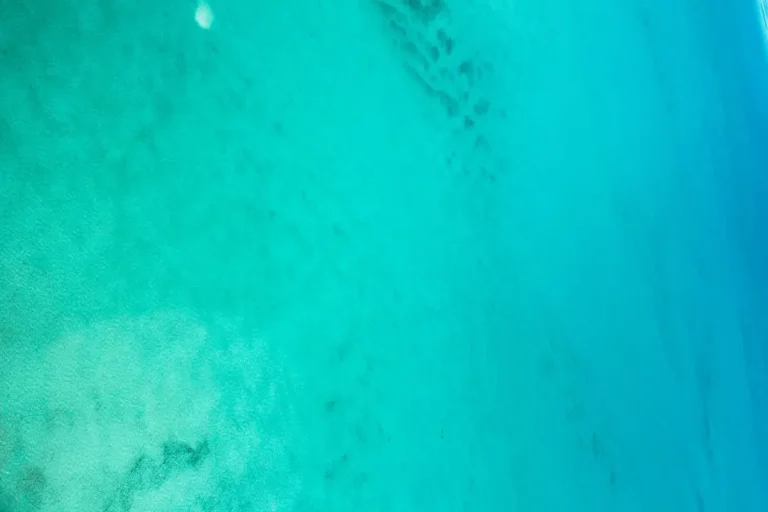
The Great Barrier Reef is one of those destinations that carries enormous expectation. Families arrive imagining crystal-clear water, vibrant fish, and effortless snorkeling. The reality is more textured than that. The reef is vast, conditions change constantly, and not every section suits young children equally. After spending time in the water with families across different reef zones, certain patterns emerge about what works and what doesn’t.
The first thing to understand is that the reef isn’t one uniform experience. It stretches over 2,300 kilometers along Queensland’s coast, and the sections accessible to day-trippers from Cairns, Port Douglas, and the Whitsunday Islands vary significantly in terms of water clarity, coral health, fish density, and crowd levels. A reef section that feels magical in June might feel murky and crowded in January. The timing of your visit matters as much as the location.
Age and Water Confidence Matter More Than You’d Think
Children under five rarely have the comfort level needed for genuine snorkeling. This isn’t a judgment – it’s physics and psychology. Snorkeling requires breathing through a tube while your face is submerged, which triggers natural panic responses in very young children. Operators will take kids this age into the water, and they’ll see fish, but the experience often involves distress, tears, or parents holding them the entire time while wearing their own gear becomes impossible.
Five to seven-year-olds are the borderline group. Some handle it well; others don’t. The determining factor isn’t age but whether the child has spent time in pools and feels genuinely comfortable with their face in water. A child who’s done swimming lessons and played underwater games in a pool will adapt quickly. A child who avoids getting water on their face will struggle, and no amount of encouragement changes that in a single afternoon.
Eight and older, most children take to snorkeling naturally. Their lung capacity is better, their coordination improves, and they understand instructions. By this age, the reef becomes genuinely accessible to them, and they’ll remember the experience afterward.
Check real traveller reviews, prices, availability, departure points, and flexible booking options in one place.
The Cairns Corridor and Why Clarity Varies
Cairns is the most popular gateway to the reef, and operators run constant boat traffic to the same few sections. The upside is infrastructure – boats are reliable, guides are experienced, and there’s a reason the system works. The downside is that popular sections near Cairns often experience reduced visibility, especially during the wet season from November through March. The rain runoff from the coast clouds the water, and visibility can drop to five or six meters instead of the fifteen or twenty you’d experience further out.
The Moore Reef and Norman Reef areas near Cairns are heavily visited. On any given day, you might share the water with two hundred other snorkelers. The coral in these zones shows visible wear from this traffic. Fish are still abundant – the reef supports them – but the overall impression is busier and less pristine than you’d expect. That said, if you’re traveling with young children or uncertain swimmers, these accessible reefs are practical. They’re close to shore, the water is shallow enough to stand in, and guides keep a close eye on groups.
The Agincourt Reef system, further north, offers noticeably clearer water and fewer crowds. The boat ride is longer – about ninety minutes from Port Douglas – but the difference in water clarity is tangible. You’ll see more coral detail and fish behavior rather than just glimpses of movement. For families with confident swimmers, the extra travel time is worth it.
The Whitsunday Islands: Shallower Water, Easier Access
The Whitsunday Islands present a different reef experience. The waters here are generally shallower and warmer, and the reef sections are more compact. Operators run shorter boat rides, sometimes just twenty or thirty minutes, which matters when you’re managing young children. Less time on a boat means less nausea, less boredom, and more energy for actual snorkeling.
Bait Reef and Hardy Reef in the Whitsundays are popular for good reason. The water stays calm more often, visibility is typically good, and the reef structure is less damaged than heavily trafficked sections near Cairns. The fish populations are healthy, and you’ll see groupers, parrotfish, and smaller reef dwellers without having to search. For families, this region often delivers a better experience than the Cairns corridor, partly because the logistics are simpler and the water conditions are more forgiving.
One practical note: the Whitsundays experience strong tidal flows. Timing your snorkel around slack tide – the period between tidal changes when water movement is minimal – makes a real difference. Guides know this, but if you’re booking independently or with smaller operators, confirm they’re aware of tidal timing.
Seasonal Patterns and What They Mean
The Australian winter, June through August, offers the clearest water and most stable conditions. Visibility is often excellent, water temperature sits around twenty-three degrees Celsius, and the weather is predictable. This is also peak tourist season, so crowds are substantial. If you can visit during these months and tolerate sharing the reef with many other visitors, the payoff is genuine clarity and calm water.
The shoulder seasons – April to May and September to October – are underrated. Weather is still stable, water clarity remains good, and crowds thin noticeably. Water temperature is warm enough for extended time without a wetsuit, though a light rashguard is sensible for sun protection and minor temperature regulation.
The wet season, November through March, brings warmer water but reduced visibility and occasional rough seas. Rain runoff clouds the water near the coast. Tropical storms can cancel boat operations. If you visit during these months, expect less visibility and more weather uncertainty. However, water temperature is warmest, and if you’re traveling with very young children who feel cold easily, this season has advantages.
Safety Realities and What Guides Actually Watch For
The reef is generally safe for families. Serious marine incidents are rare, and operators follow established protocols. That said, understanding what guides are actually monitoring helps you snorkel more confidently.
Currents are the primary concern. Guides position groups in areas with minimal current, but if your child drifts or gets tired, a current can carry them away from the group quickly. This is why guides emphasize staying together and why children need genuine swimming ability, not just comfort in a pool. A child who panics in moving water is a child who needs close supervision or shouldn’t be snorkeling yet.
Coral cuts are common but minor. Touching coral damages both the reef and your skin. Guides repeatedly remind groups not to touch, but children often forget. Wearing reef shoes or water socks prevents most cuts if contact happens. A small cut from coral stings but isn’t dangerous if you rinse it and keep it clean.
Stonefish and sea urchins exist on the reef but are genuinely rare encounters. Guides know where to avoid, and the likelihood of stepping on either is minimal if you’re snorkeling in designated areas. Stinging jellyfish are more common during certain seasons, particularly October through May. During these months, many operators provide stinger suits – thin protective garments that reduce jellyfish contact. They’re not glamorous, but they work.
Sunburn is the most common actual problem. The sun reflects off water, and families often underestimate exposure time. Reef-safe sunscreen, applied generously and reapplied after snorkeling, is essential. Many operators now require reef-safe sunscreen specifically because standard sunscreen damages coral.
What to Expect Underwater and Managing Expectations
The reef is alive and worth seeing, but it’s not a theme park. You won’t see every fish species in an afternoon, and coral colors vary depending on light, water clarity, and time of day. Early morning snorkeling, when light penetrates the water better, offers richer colors than midday sessions. If your operator offers multiple snorkel times, the first session usually delivers better visibility and fewer crowds.
Fish behavior is unpredictable. Some days they’re curious and approach closely. Other days they’re skittish. This depends on water temperature, time of day, and whether other groups have been in the water recently. A guide who knows the reef will position your group to maximize encounters, but no one can guarantee what you’ll see.
Coral bleaching is visible in some areas. The reef has experienced significant stress from warming waters, and certain sections show obvious damage. This is worth acknowledging. The reef is changing, and while it remains beautiful and worth visiting, it’s not the pristine ecosystem it was decades ago. Families should understand this context rather than being surprised by bleached sections.
Practical Logistics That Actually Impact Experience
Boat comfort matters more than you’d expect. Larger vessels with shade, toilets, and food services make the day easier, especially with young children. Smaller boats are sometimes faster and offer a more intimate experience, but they’re also more exposed to sun and motion. For families with children under ten, the larger commercial operators often provide better infrastructure.
Lunch quality varies. Some operators provide adequate meals; others serve forgettable food. This affects how your family feels by afternoon. Bringing snacks and water bottles helps, though many boats provide water. Confirm what’s included before booking.
Wetsuit and gear rental is standard. Wetsuits feel awkward initially but provide warmth and sun protection. For children, rental wetsuits are often poorly fitted, but they still serve a purpose. Snorkeling gear is usually adequate, though if your child has a sensitive gag reflex, bringing your own mouthpiece can help.
Getting to the reef takes time. From Cairns, expect one to two hours on the boat depending on which reef section you’re visiting. From Port Douglas, it’s similar.
Compare top-rated tours, prices, availability, and real traveller reviews before booking. See what’s actually available for your dates and departure location.
Compare tours and check availability