The SS Thistlegorm, a British cargo ship sunk in 1941 during World War II, rests on the Red Sea floor at 25-30 metres. Nearly 85 years after its sinking, the wreck remains virtually intact, creating one of the world’s greatest wreck diving experiences.
History and the Wreck
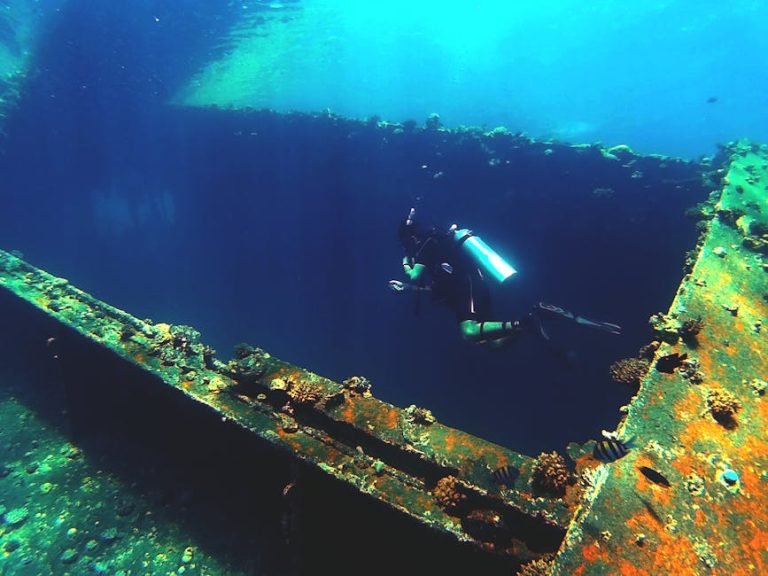
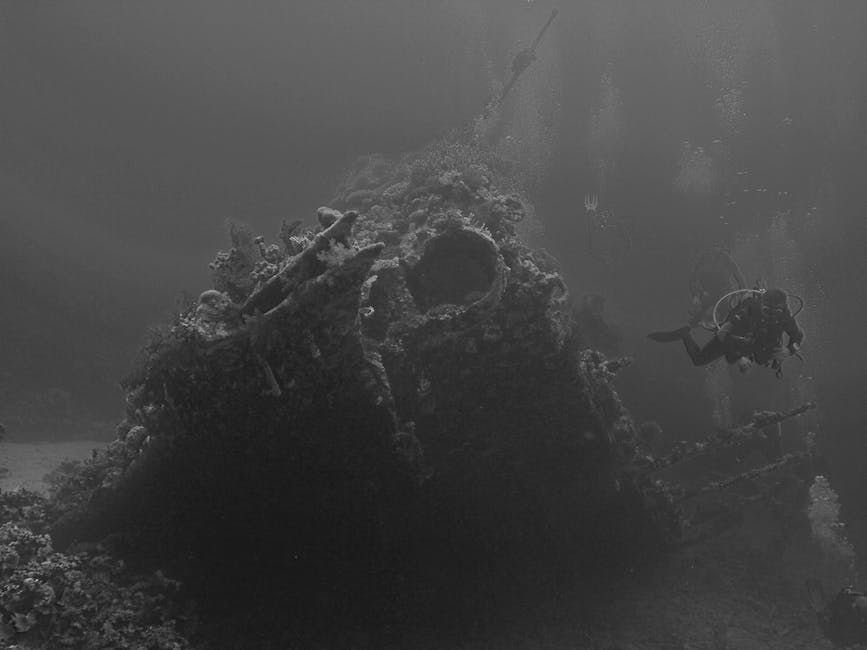
Commissioned in 1940, the Thistlegorm was attacked by German Luftwaffe bombers on 6 March 1941 and sank in shallow water. The 109-metre vessel lies on its port side with the bow pointing south.
The cargo manifest reveals what was lost: motorcycles, trucks, aircraft parts, weapons, and supplies destined for the North African theatre. Today, these artifacts remain scattered inside and outside the wreck, visible reminders of wartime tragedy.
The Dive Experience
Accessible from Hurghada by day trip or liveaboard, the Thistlegorm appeals to intermediate and advanced divers. Depths of 20-30 metres, bottom time of 25-40 minutes depending on air consumption, and comfort with wreck navigation required.
Marine Life on the Wreck
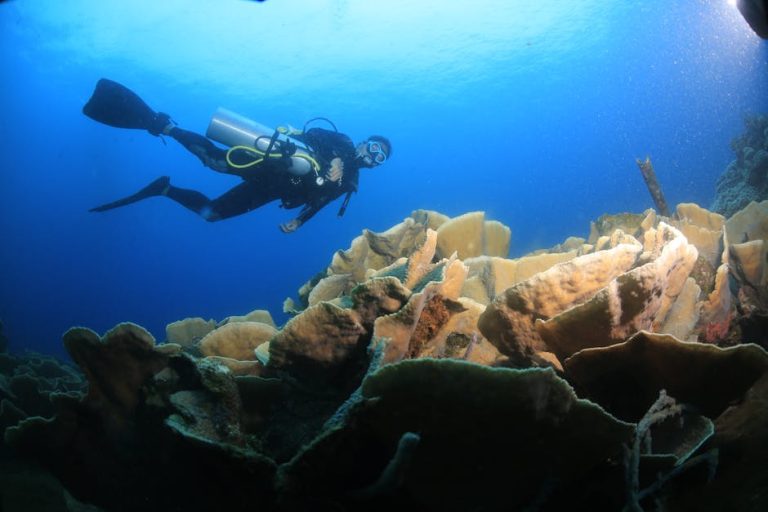
The wreck has become an artificial reef supporting extraordinary marine life. Giant groupers, schooling jacks, rays, and abundant smaller fish species shelter in the wreck structure. Photography opportunities are exceptional.