The first time a potato cod approaches you underwater, your instinct is to back away. It’s not that they’re aggressive – they’re famously placid. It’s that they’re the size of a labrador retriever, they move with unhurried confidence, and they’re looking at you with an expression of mild curiosity that suggests they’ve seen your kind before and found it mostly uninteresting. At Cod Hole on the Ribbon Reefs, this happens within minutes of entering the water. Sometimes within seconds.
The Ribbon Reefs are a chain of ten narrow reefs stretching along the outer edge of the Great Barrier Reef north of Cairns, from roughly Cooktown to beyond the tip of Cape York. They run parallel to the coast, separated from the inner reef by a deep channel, and their outer edges face directly into the Coral Sea. The diving here is different from the central GBR – more current, more pelagic life, more of the sense that you’re at the edge of something genuinely wild.
Cod Hole
Cod Hole, located on Ribbon Reef Number 10 near the northern end of the chain, is one of the most famous dive sites in Australia. The resident population of potato cod – Epinephelus tukula, the largest of the grouper species – has been habituated to divers since the 1970s when underwater filmmaker Ron and Valerie Taylor began visiting regularly. The fish are not tame in any meaningful sense, but they are completely unafraid, and they approach divers with a directness that can be unsettling until you adjust to it.
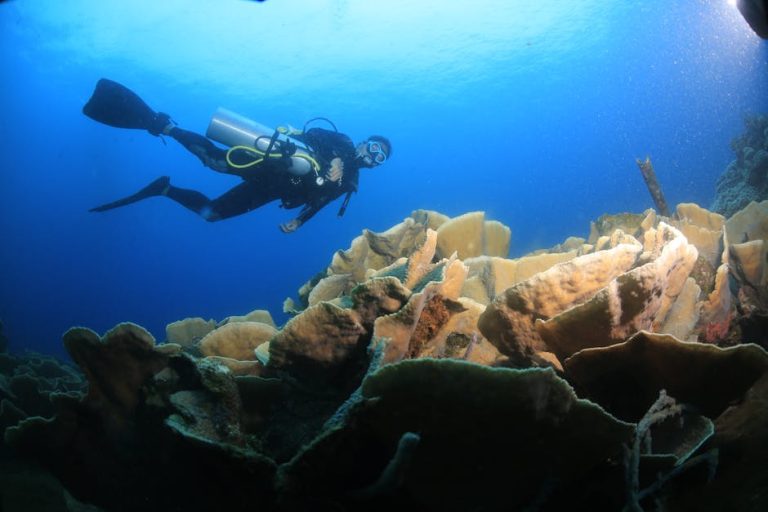
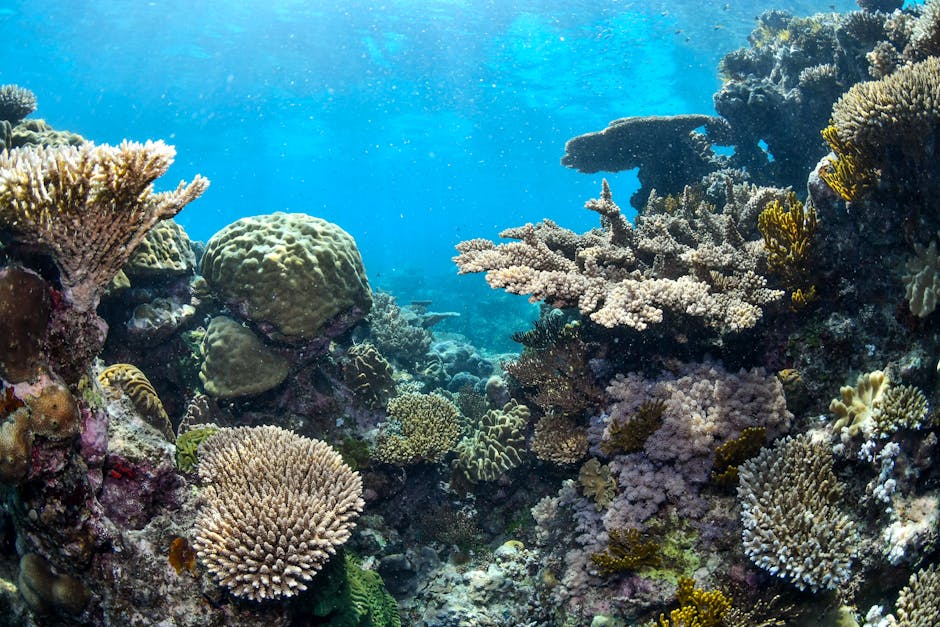
Potato cod at Cod Hole reach 1.5 to 2 metres in length and weights exceeding 100 kilograms. They move through the coral formations at the site with proprietary authority, often swimming directly toward divers and veering off at the last moment. The dive site itself is a coral garden at 16 to 18 metres, with sandy channels between the formations where the cod rest and cruise. Giant maori wrasse, humphead parrotfish, and schools of smaller fish complete a site that would be worth diving for its coral alone.
Dwarf Minke Whales
Between June and July each year, dwarf minke whales – a subspecies of the common minke whale found only in the Southern Hemisphere – gather at the Ribbon Reefs in numbers that researchers are still working to fully understand. These are small whales by baleen whale standards, reaching 7 to 8 metres, but an encounter with one underwater is among the most extraordinary wildlife experiences available anywhere.
Dwarf minkes are the only baleen whale species known to actively approach and interact with stationary divers. The protocol developed by researchers and operators over decades is to enter the water, hold onto a rope trailing behind the vessel, and wait. The whales approach on their own terms – sometimes immediately, sometimes after an hour. When they do, they often circle at close range, making eye contact, apparently genuinely curious. In-water encounters lasting 30 to 40 minutes are not unusual.
This experience is unique to the Ribbon Reefs. It doesn’t happen reliably anywhere else in the world. Several liveaboard operators running the Ribbon Reefs in June-July have developed specific minke whale itineraries in collaboration with James Cook University researchers who use the sightings for ongoing population and behaviour studies. Participating in these trips contributes directly to the science.
Other Ribbon Reef Dive Sites
Beyond Cod Hole, the Ribbon Reefs offer exceptional diving across multiple sites. Steve’s Bommie on Ribbon Reef 3 is a pinnacle rising from 30 metres to within a few metres of the surface, encrusted with soft corals and surrounded by schooling fish. The currents that run through the ribbon passages concentrate plankton and the filter feeders that eat it – manta rays, whale sharks during summer months, and vast schools of fusiliers that part around divers like living curtains.
Pixie Pinnacle, Lighthouse Bommie, and the passages between the individual ribbon reefs all offer distinctive diving. The outer walls have the same vertiginous quality as Osprey – dropping away into deep blue with visibility that on good days exceeds 30 metres.
Access
The Ribbon Reefs are accessible only by liveaboard from Cairns. Journey time to the southern ribbons is around 6 to 8 hours; reaching Ribbon Reef 10 and Cod Hole takes longer, typically overnight. Most operators run 7-night itineraries covering the full chain, though shorter 3-4 night trips focusing on the southern ribbons are available.
Day trips do not reach the Ribbon Reefs – the distance from Cairns is simply too great. This is liveaboard territory, and the experience is the better for it. By the time you’ve spent two days on the water heading north, you’ve left the day-tripper world behind entirely.
Water temperature at the Ribbon Reefs ranges from 23 degrees in winter to 28 degrees in summer. A 3mm wetsuit covers most visits comfortably. Currents can be strong at the outer wall sites and in the passages between reefs – intermediate diving experience is recommended, though the lagoon and pinnacle sites are accessible to Open Water certified divers.