Sunset sailing on a reef sounds romantic in theory. You’ve seen the images – golden light, calm water, a small boat gliding silently over coral. The reality is messier, more physical, and often less peaceful than you’d expect. After spending time on various reef systems across the Caribbean, Southeast Asia, and the Pacific, I’ve learned that the best reef sailing experiences come from understanding what actually happens when you’re out on the water as daylight fades.
The first thing nobody mentions is the timing problem. Sunset doesn’t happen at a fixed hour. In tropical regions, it compresses into a narrow window – often just 20 to 30 minutes of genuine golden light before the sky shifts to deep blue. Tour operators and charter captains know this, which is why they push departure times earlier than you’d think necessary. You’ll leave the dock around 3 or 4 in the afternoon, not at 5 or 6. This means spending several hours on the water before the light you actually came for appears. The early afternoon sailing is functional – getting to the right location, positioning the boat, checking conditions. It’s not scenic. It’s work.
Water conditions change dramatically throughout the day on a reef. Morning and early afternoon often bring chop and wind. The reef itself creates unpredictable currents, especially near channels or drop-offs. By late afternoon, things typically settle, but not always. I’ve been on boats where the water stayed rough until sunset, which made the romantic sailing experience feel more like a workout. You’re gripping railings, adjusting your stance, managing seasickness if you’re prone to it. The boat rocks differently depending on whether you’re sailing into the wind or with it, and captains spend considerable time positioning to catch light while staying in safe water.
The Reef Itself Isn’t Always Visible
This surprises people. You’re sailing “on the reef,” but you often can’t see it clearly from the surface, especially as light fades. Depth perception over water is deceptive. The reef might be 15 feet below you or 40 feet below. The color of the water – turquoise, deep blue, or greenish – tells you something about depth and bottom composition, but it’s not precise. Captains navigate by memory, GPS, and reading subtle water color changes. If you’re hoping to watch coral formations as you sail, you’ll be disappointed unless you’re in exceptionally shallow water with perfect clarity. Most reef sailing happens in channels or over deeper sections where boats can safely move.
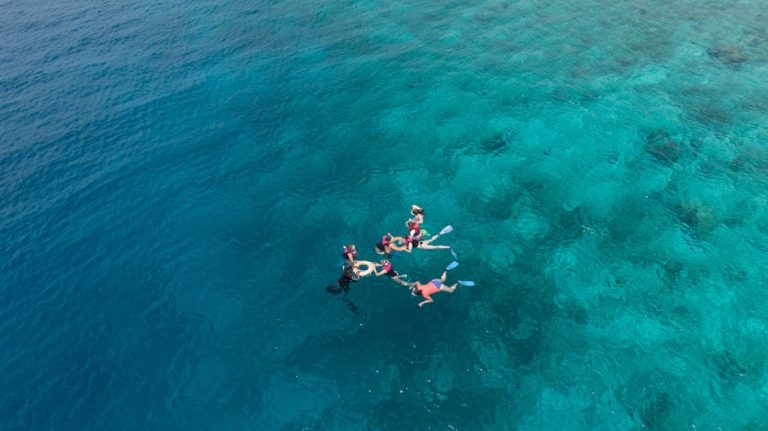
Water clarity varies wildly depending on season, recent weather, and tidal conditions. I’ve done reef sails in the Caribbean where visibility was stunning – you could see fish and coral structure clearly even from the surface. I’ve also done them in Southeast Asia where the water was cloudy enough that you couldn’t see more than a few feet down. Rainy season, strong currents, and plankton blooms all affect this. If you’re planning a reef sail and visibility matters to you, ask locals about recent conditions. Don’t assume tropical water is always transparent.
The Physical Reality of Being on a Sailboat
Small sailboats used for reef tours are functional, not luxurious. You’ll be sitting on narrow benches or standing, holding on. The boat moves constantly – even in calm conditions, there’s gentle rocking. If the wind picks up, the motion becomes more pronounced. Spray is common, especially if you’re on the windward side. Sunscreen washes off. Your clothes get wet. If you’re sensitive to motion, this won’t feel romantic. It will feel uncomfortable.
The noise level also surprises people. You’re not floating silently. There’s wind in the sails, water against the hull, rigging creaking, and the captain communicating with crew. Conversations happen, but they’re not quiet. The boat is alive with sound. If you’re imagining meditative silence, adjust that expectation.
Temperature drops as the sun lowers. Evaporative cooling from wind and water makes it feel colder than the air temperature suggests. I’ve been on reef sails where I was comfortable in a t-shirt at 3 PM and genuinely cold by 6:30 PM. Bring a light layer. Many tour operators provide basic cover-ups or jackets, but they’re often thin and not particularly warm.
The Light Is Brief and Specific
The actual golden hour – that warm, low-angle light that photographs beautifully – lasts maybe 15 to 20 minutes. Before that, the light is harsh and bright. After that, it’s twilight. The sweet spot is narrow. Experienced captains position the boat so the light hits from the side or behind, illuminating the water and sky. If you’re on the wrong side of the boat or the boat is positioned poorly, you won’t see much of it. This is why many reef sails include a specific route and timing – the captain knows where the light will be best.
Photography during reef sailing is challenging. Phone cameras and compact cameras struggle with the contrast between bright sky and darker water. The boat’s motion makes it hard to hold steady. If you’re serious about capturing the experience, a decent camera with manual settings helps, but even then, you’re competing with constant movement. Many people end up putting phones away and just experiencing it, which is often the right call.
Who You’re With Matters More Than You’d Think
Reef sailing tours are social experiences. You’re on a small boat with strangers, a captain, and possibly crew. If the group is chatty and friendly, the experience feels engaging. If it’s quiet or tense, you notice the confined space more. Captains vary widely in their knowledge and communication style. Some provide running commentary about the reef, marine life, and local conditions. Others are quiet and focused on sailing. Neither is wrong, but it changes the experience significantly.
Tour groups also vary by time of year and day of week. Peak season brings more tourists and fuller boats. Off-season can mean smaller groups and more personalized attention, but also fewer departures and less frequent scheduling. Weekday sails tend to be quieter than weekend sails.
The experience of sunset sailing on a reef is real and worth doing, but it requires adjusting expectations. You’re not floating peacefully while watching coral. You’re on a working sailboat navigating shallow water while managing wind, current, and motion. The sunset itself is brief and beautiful, but it’s bookended by hours of less scenic sailing and preparation. The best reef sails happen when you accept the physical reality of being on the water and appreciate the specific moments when light and conditions align. That’s when it stops being a checklist activity and becomes something you actually remember.