The first time I snorkelled over a bleached reef, I thought it was beautiful. That’s the uncomfortable truth nobody tells you. The white coral – bone-white, almost luminous against the blue – has a stark, otherworldly quality that photographs well and reads as dramatic rather than tragic. It took me a few more years, and a lot more reading, to understand what I was actually looking at.
Bleaching is not death. Not immediately. It’s something more complicated and, in some ways, more distressing – a living animal under such severe stress that it has expelled the very organisms keeping it alive.
The Symbiosis That Makes Coral Work
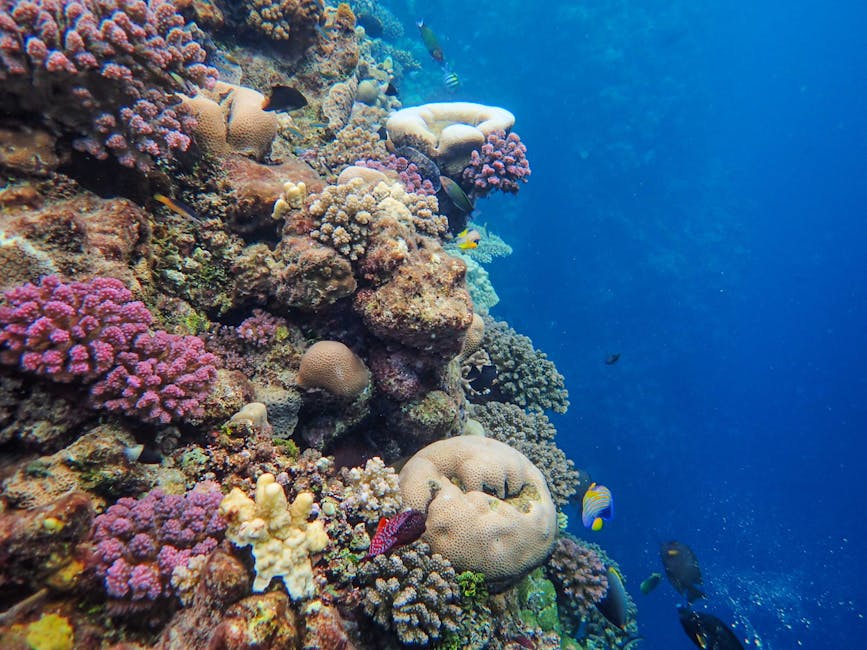
Coral reefs exist because of one of the most productive partnerships in the natural world. Hard corals – the reef-builders – are animals, but they host within their tissue millions of microscopic algae called zooxanthellae. These algae photosynthesise sunlight and provide the coral with up to 90% of its energy needs. In return, the coral provides the algae with shelter and the carbon dioxide they need to photosynthesise.
The zooxanthellae are also responsible for coral’s colour. The rich browns, greens, and golds of a healthy reef come almost entirely from these algae. When they’re gone, what remains is the coral’s white calcium carbonate skeleton showing through translucent tissue. That’s bleaching – the coral has expelled its algae, and what you’re seeing is the skeleton beneath.
Why Does Bleaching Happen?
The primary trigger is thermal stress – water temperatures elevated above the coral’s tolerance threshold, typically 1-2 degrees Celsius above the long-term summer maximum, sustained for several weeks. When water gets too warm, the zooxanthellae begin producing reactive oxygen compounds that are toxic to the coral. The coral’s response is to expel them.
It’s a desperate gamble. Without the algae, the coral is starving. It can survive for weeks, sometimes months, drawing on energy reserves. If temperatures drop in time, the algae can return and the coral can recover. If they don’t, the coral dies – and what was a living reef becomes a rubble field colonised by algae of a different kind.
Temperature is the main driver, but not the only one. Elevated UV radiation, low salinity from heavy rainfall, and pollution can all contribute. The combination of stressors matters – a reef already weakened by runoff or crown-of-thorns outbreaks bleaches at lower temperatures than a healthy one.
The GBR’s Bleaching History
Mass bleaching events on the Great Barrier Reef were essentially unknown before 1998. The reef had experienced localised bleaching before, but the 1998 event – driven by a strong El Nino – was the first to affect the reef at scale, killing roughly 16% of the world’s coral reefs in a single year.
The GBR bleached again in 2002, 2016, 2017, 2020, 2022, and 2024. The 2016 and 2017 back-to-back events were the most severe in recorded history, killing approximately 50% of shallow-water corals in the northern reef. The interval between events has shortened dramatically – where bleaching once occurred every 25-30 years, giving reefs time to recover, it now occurs every 3-5 years in some areas.
Recovery from a severe bleaching event takes 10-15 years under good conditions. The current frequency of events means many sections of the northern GBR are bleaching again before they’ve recovered from the previous event.
What Recovery Looks Like
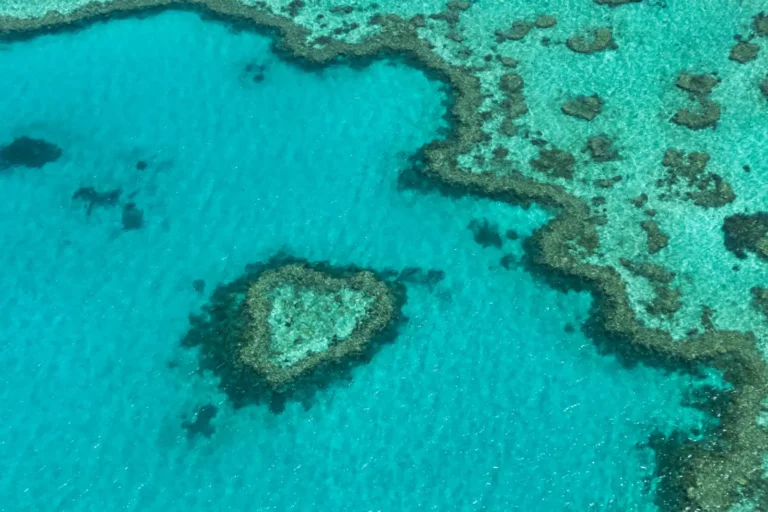
A bleached reef isn’t necessarily a dead reef, and this distinction matters. After the 2016 event, aerial surveys showed that the northern GBR had lost around 30% of its coral cover. But surveys of the central and southern reef showed significant survival and, in subsequent years, genuine recovery – new coral recruitment, returning fish populations, the slow rebuilding of structure.
Recovery is patchy and species-dependent. Fast-growing branching corals like Acropora recover relatively quickly but are also the most vulnerable to bleaching. Massive corals like Porites – the great domed boulders you see on older reefs – are more thermally tolerant and can survive events that kill their neighbours. A post-bleaching reef often looks different from what was there before, with a shift toward more heat-tolerant species.
Researchers are also investigating whether corals can adapt to warmer temperatures over time – whether the zooxanthellae strains that survive bleaching events are more heat-tolerant, and whether this tolerance is passed on. The evidence is cautiously encouraging, but the pace of warming is outrunning the pace of adaptation.
What You Can Do
The honest answer is that individual actions matter less than systemic ones. Coral bleaching is driven by global ocean warming, which is driven by greenhouse gas emissions, which requires policy responses at a scale beyond any individual choice.
That said: supporting reef-responsible tourism operators, avoiding sunscreens containing oxybenzone and octinoxate, and not touching or standing on coral all reduce the additional stressors that make bleaching worse. A reef under less pressure from local stressors has more resilience when thermal stress arrives.
I’ve snorkelled over bleached reef and over the same reef two years later, recovering – new coral recruits the size of a fingernail, fish returning to structure that was bare rubble. It’s slow, and it’s fragile, and it requires everything going right. But it happens. The reef is not passive in the face of what’s being done to it. It’s fighting, in the only way it knows how.