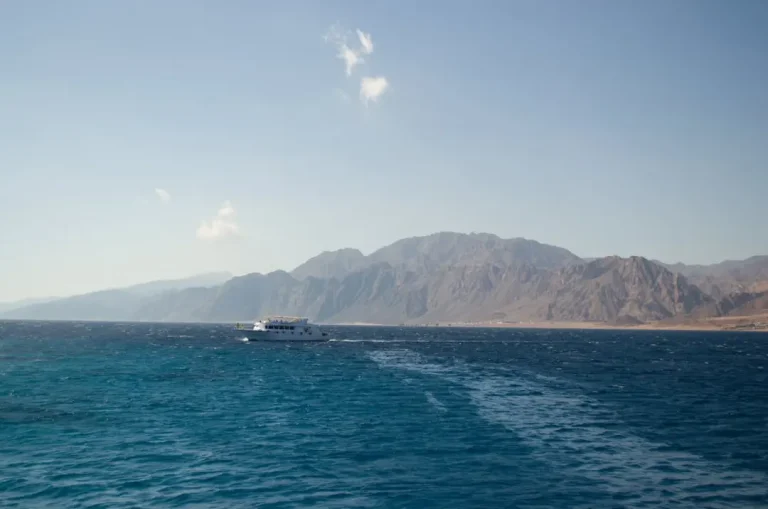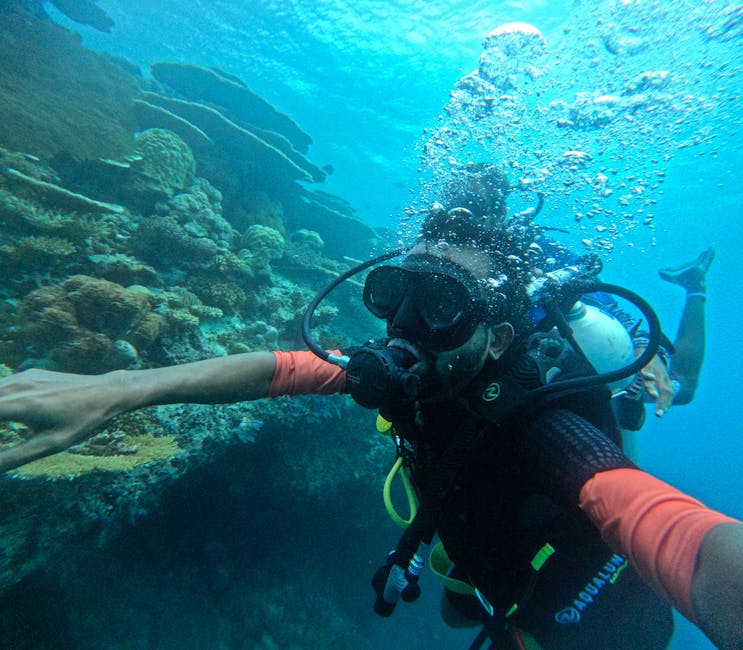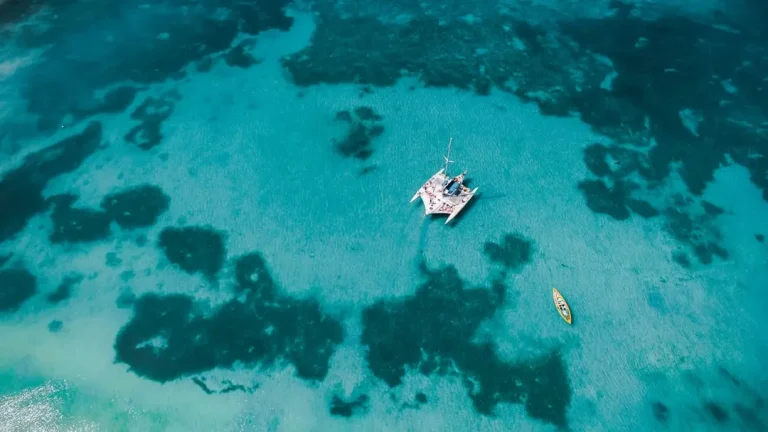
Taking children to the Great Barrier Reef produces, in my experience, one of two reactions. Either they’re completely transfixed — face pressed against the glass of a semi-submersible, pointing at every fish, asking the kind of specific questions that embarrass adults who didn’t know the answers — or they’re bored within forty minutes and want to know what’s for lunch. The difference between these outcomes has almost nothing to do with the reef itself and everything to do with how well the trip is matched to the age and interests of the children involved.
Age-Appropriate Activities
Under 8: Full-day outer reef trips are too long for most young children, and the 90-minute boat crossing can induce seasickness. Green Island, 30 minutes from Cairns, has reef accessible from the beach, a marine education centre, and a glass-bottom boat tour that gives under-fives the underwater view without putting them in the water. The semi-submersible at the Quicksilver pontoon is excellent for this age group.
8–12: The reef’s optimal age for engagement. Children this age learn to snorkel quickly, can do introductory diving (minimum age is 8 for most operators), and have the focus to genuinely observe marine life. A guided snorkel where the guide names animals and explains reef ecology produces children who come home knowing the difference between a parrotfish and a wrasse.
Teenagers: The full outer reef experience works well for most teenagers who appreciate being treated as capable. PADI’s Junior Open Water certification is available from age 10 — a teenager who completes their Open Water before the trip can dive every site on the outer reef independently.
The Best Family Operations
Coral Princess Cruises runs small-ship reef cruises designed for families — three to seven nights carrying around 50 passengers, with daily snorkelling, shore excursions, marine biology talks, and activities for children. The multi-day format allows the reef relationship to develop over several encounters rather than in a single day.
Heron Island is the single best family destination for children 10 and older with genuine interest in marine biology. The turtle nesting season, beach entry snorkelling, and the island’s research station produce a depth of engagement that resort facilities can’t replicate.
Practical Family Logistics
Seasickness is real and affects children more than adults tend to expect. Carry appropriate medication (Travacalm or equivalent) and administer it before boarding. Sun protection requires reef-safe sunscreen and physical coverage — rashvests or wetsuits, hats with neck protection. Children’s skin burns faster than adults’ in tropical Queensland sun.
For the question children always ask: yes, there are sharks on the reef. Reef sharks are not dangerous to snorkellers or divers who behave sensibly. The correct answer to “are there sharks?” is “yes, and you might see them, and that will be one of the best parts.”