coral reef studies blog

Reefs

What Reef Tours in Protected Waters Actually Feel Like

What Reef Tours in Protected Waters Actually Feel Like

Reef tours in marine protected areas operate differently than they do in unregulated waters. The difference isn’t always obvious until you’re actually on the boat, watching how operators navigate rules you didn’t know existed, or waiting longer than expected because…
Small-Group Reef Tours: What Actually Matters

Small-Group Reef Tours: What Actually Matters

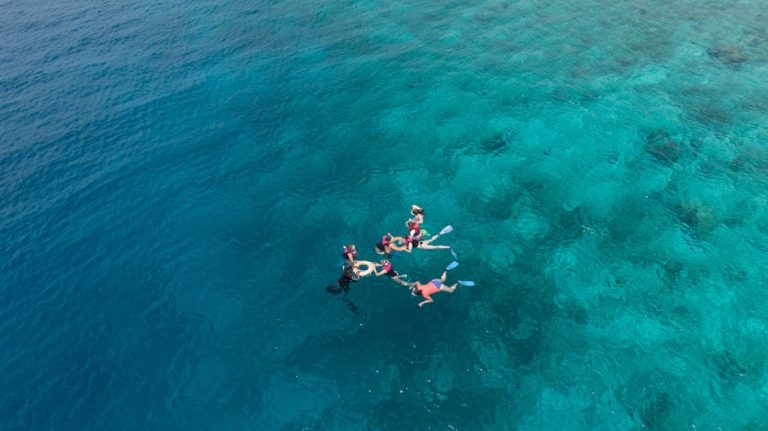
Small-group reef tours sound appealing in theory. Fewer people, better access, more personalized attention. The reality is more nuanced. After spending time on reefs across the Caribbean, Indo-Pacific, and Red Sea, I’ve learned that group size alone doesn’t guarantee an…

What Buccoo Reef and Nylon Pool Actually Feel Like

What Buccoo Reef and Nylon Pool Actually Feel Like

Buccoo Reef sits off the southwestern coast of Tobago, a short boat ride from the fishing village of Buccoo. It’s not a secret anymore, if it ever was. On any given day between November and April, you’ll find yourself sharing…

What Reef Tours Actually Feel Like Underwater

What Reef Tours Actually Feel Like Underwater

Reef tours occupy a strange space in travel. They’re accessible enough that almost anyone can do them, yet they’re also genuinely unpredictable. You show up at a dock somewhere tropical, get herded onto a boat with twenty other people, and…

Outer Reef vs Inner Reef Snorkeling: Where Coral Actually Thrives

Outer Reef vs Inner Reef Snorkeling: Where Coral Actually Thrives

The difference between outer and inner reef snorkeling isn’t just about distance from shore. It’s about fundamentally different underwater ecosystems, and if you’re hoping to see genuinely healthy coral, the distinction matters more than most travel guides acknowledge. I’ve spent…

Caribbean Reef Fish Recovery: How Marine Protected Areas Work

Caribbean Reef Fish Recovery: How Marine Protected Areas Work

Marine Protected Areas (MPAs)—regions where fishing is prohibited or restricted—are conservation’s most effective tool for reef recovery. Decade-long research demonstrates that fish populations rebound dramatically in protected areas. MPA Impacts on Fish Populations Within 5 years of protection: fish biomass…

Bonaire Marine Park: 100% Protected Success Story

Bonaire Marine Park: 100% Protected Success Story

Bonaire is unique among Caribbean destinations: the entire island is a marine protected area. No fishing, no extraction, no development—complete reef protection has created extraordinary conservation results. Marine Park History Bonaire established its marine park in 1979, making it one…

Brother Islands Seamount: Pelagic Encounters in the Blue

Brother Islands Seamount: Pelagic Encounters in the Blue

The Brother Islands—Big Brother and Little Brother—are seamounts rising from the deep Red Sea ocean floor. These isolated underwater mountains create unique oceanographic conditions that attract massive concentrations of marine life. Seamount Ecology Seamounts disrupt ocean currents, forcing nutrient-rich deep…

Endemic Corals of the Red Sea: Ancient Evolution in Isolation

Endemic Corals of the Red Sea: Ancient Evolution in Isolation

The Red Sea harbours over 400 coral species, many found nowhere else on Earth. This ancient concentration reflects millions of years of isolated evolution in a unique oceanographic setting. Coral Endemism and Evolution The Red Sea’s geographic isolation created a…

Tubbataha Reefs: UNESCO Protected Wilderness

Tubbataha Reefs: UNESCO Protected Wilderness

Tubbataha Reefs, a UNESCO World Heritage Site in the Philippines, represents marine conservation success through strict protection. Pristine coral gardens, abundant fish populations, and minimal human impact make this one of the world’s healthiest coral reef systems. Location and Access…