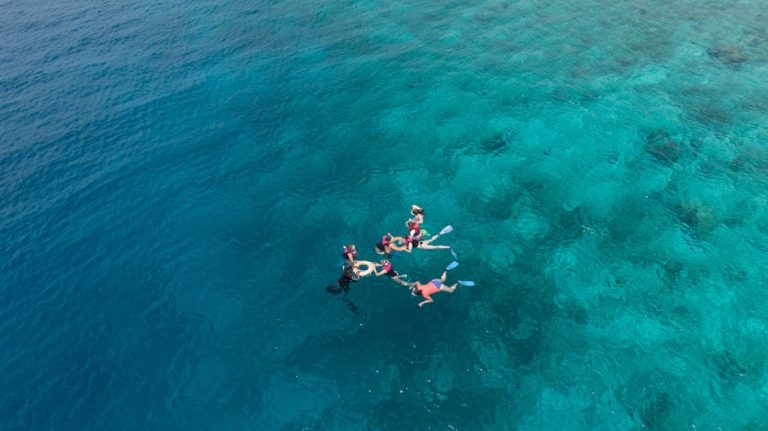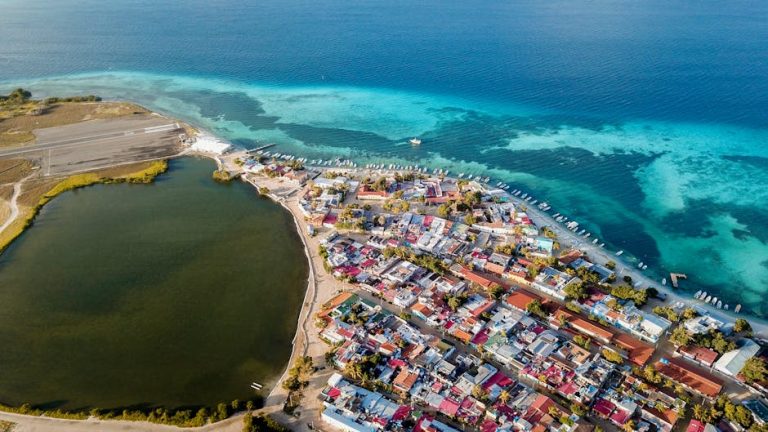
Tubbataha Reefs, a UNESCO World Heritage Site in the Philippines, represents marine conservation success through strict protection. Pristine coral gardens, abundant fish populations, and minimal human impact make this one of the world’s healthiest coral reef systems.
Location and Access
Located 150 kilometres south of Puerto Princesa, Palawan, Tubbataha comprises two large atoll-like reef formations with surrounding deeper waters. The site is accessible only by liveaboard vessels, typically requiring 2-3 day transits from Puerto Princesa depending on sea conditions.
Pristine Reef Ecosystems
Unlike degraded reefs elsewhere, Tubbataha maintains intact fish populations across all size classes. Large groupers, snappers, and emperors are abundant. Sharks patrol the reef edges. Schools of trevally and mackerel maintain predatory pressure on smaller fish, supporting the reef food web.
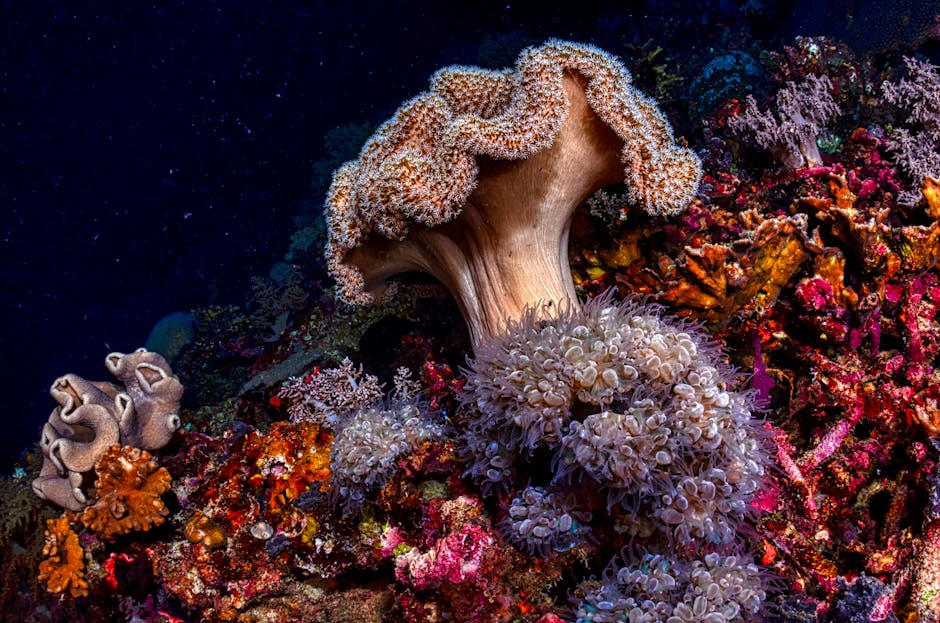
Coral coverage remains exceptionally high—over 50% in many areas. Massive porites corals, branching acropora, and soft corals create complex habitat structures that shelter thousands of species.
Conservation Challenges
Despite strict protection, Tubbataha faces climate change threats. Mass bleaching events in 1998, 2010, and 2016 caused temporary reef degradation, though recovery has been impressive due to minimal local stressors. Fishing pressure from illegal poaching vessels remains an ongoing challenge.