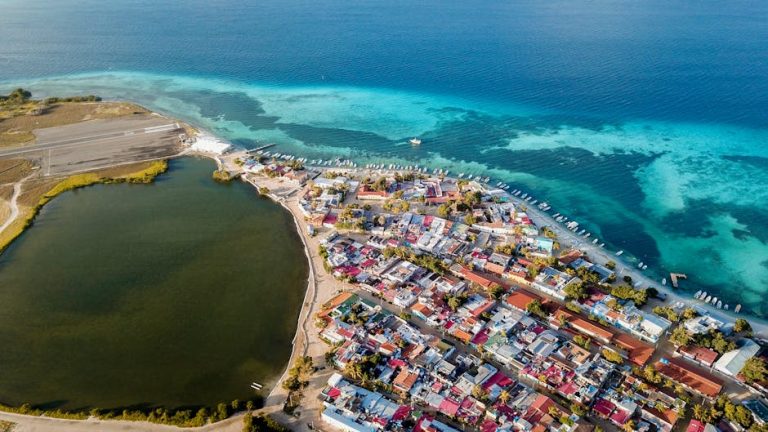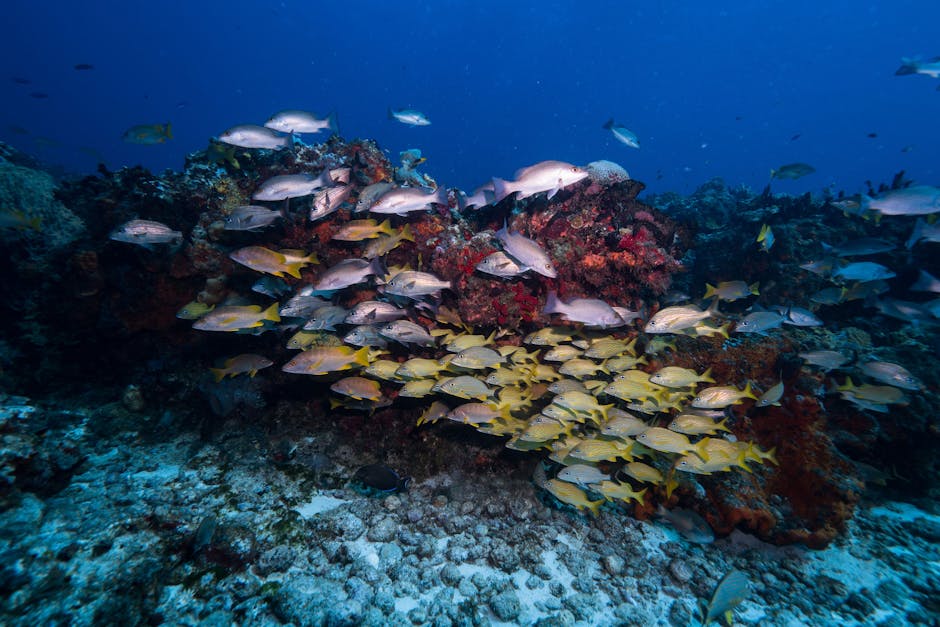
Marine Protected Areas (MPAs)—regions where fishing is prohibited or restricted—are conservation’s most effective tool for reef recovery. Decade-long research demonstrates that fish populations rebound dramatically in protected areas.
MPA Impacts on Fish Populations
Within 5 years of protection: fish biomass increases 2-3 fold, large fish (100+ cm) become abundant, species diversity increases, recruitment to adjacent unprotected areas improves, and ecosystem functions approach pre-decline levels.
These aren’t theoretical predictions—they’re documented across the Caribbean and globally.
Fish Population Dynamics
Growth: Smaller, younger fish grow to larger sizes without harvest pressure. Larger fish become visible in diver observations.
Recruitment: Protected populations produce more larvae. Larvae drift to adjacent areas, replenishing fished populations. Protected areas act as spillover zones benefiting surrounding regions.
Behavior change: Fish lose fear of divers when fishing pressure ceases. “Shyer” species become visible as they recover confidence.
Economic Benefits
Protected reefs support tourism that generates far more revenue than fishing does. A single large grouper generates once-harvested value (USD 50-100). That same fish over its remaining lifespan can generate USD 250,000+ in diver-related tourism spending.