The humpback whales that pass through the waters off Bundaberg every winter are not on their way to somewhere more interesting. This is the destination – the shallow, warm waters of the southern Great Barrier Reef, where females come to give birth and males come to sing, and where, if you’re in the right place between June and November, you get to be a witness to one of the largest annual animal migrations on the planet.
Bundaberg sits on the coast of southern Queensland, a few hours north of Brisbane, and it’s the southern gateway to the Great Barrier Reef. The whale watching here is less famous than the operations out of Hervey Bay further south, but it’s also less crowded, more intimate, and often more rewarding precisely because fewer boats are competing for the same whales.
The Humpback Migration
Every year, humpback whales migrate from their Antarctic feeding grounds northward along the Australian east coast. They move through Bass Strait and up past New South Wales and Queensland, arriving at the southern reef waters from June onward. The population that uses this corridor has recovered dramatically since the end of commercial whaling in Australian waters – estimates put the east Australian humpback population at over 30,000 individuals, up from a low of perhaps 500 in the 1960s. It’s one of conservation’s genuine success stories, and the boats off Bundaberg are part of the evidence.
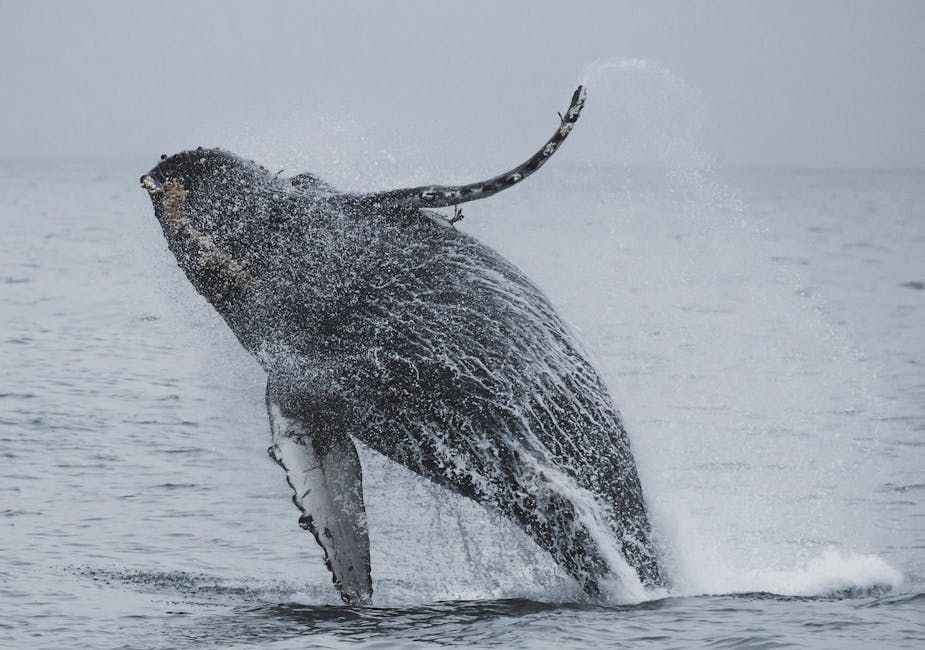
The whales breed and calve in the warm reef waters through July, August and September before beginning the return journey south in October and November. Mother and calf pairs are common sightings in the peak months. Males sing complex breeding songs – audible on hydrophones from kilometres away – and compete in competitive groups that can involve a dozen animals at once, breaching, charging, and displaying in ways that feel almost theatrical.
What the Boat Tours Offer
Whale watching cruises from Bundaberg typically run 3 to 4 hours, venturing into the Coral Sea to find the migration corridor. The boats are small enough to approach whales at legal distance – 100 metres in Queensland waters – without overwhelming them. The operators who run regularly out of Bundaberg have years of knowledge of where the whales concentrate and how to read their behaviour to anticipate breaches and surface behaviour.
Most cruises include lunch or morning tea, and several operate on a guarantee – if you don’t see whales, you come back for free. In peak season, this guarantee is rarely claimed. The density of animals in these waters during July through September is extraordinary.
Beyond the Whales
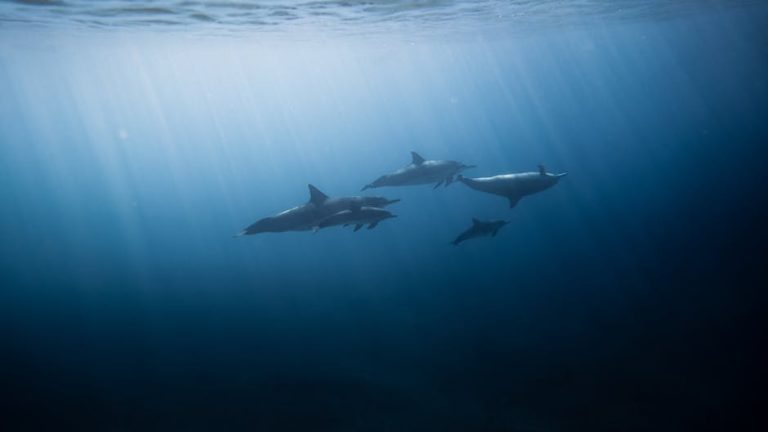
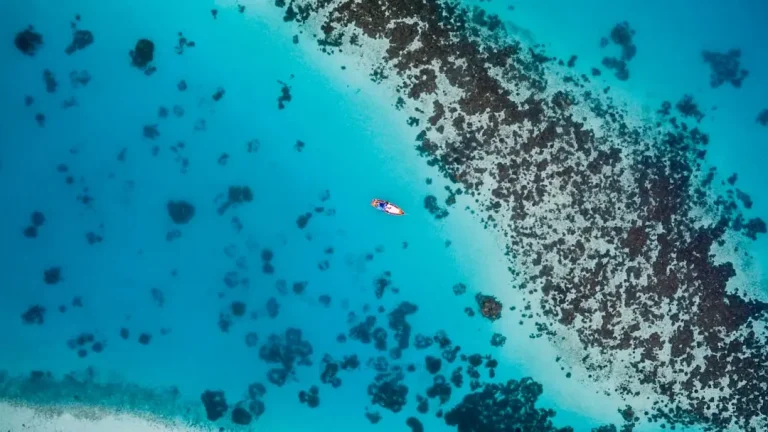
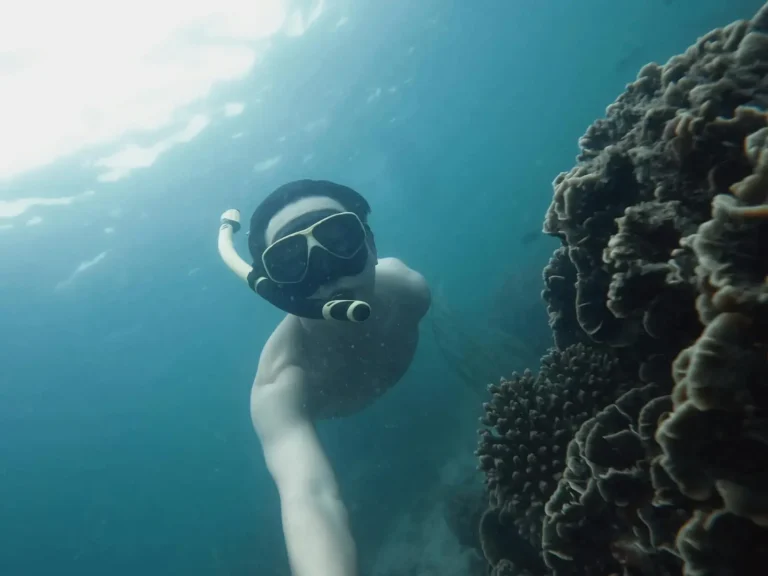
The waters off Bundaberg are part of the southern reef system, and the wildlife doesn’t stop at cetaceans. Lady Musgrave Island – a coral cay 52 kilometres offshore on the Tropic of Capricorn – lies within range of longer day trips from Bundaberg and offers snorkelling and diving on an inner lagoon that rivals anything in the more famous northern sections of the reef. Green and loggerhead sea turtles nest on the beaches of Lady Musgrave and the nearby islands throughout the summer months, and the combination of whale watching in winter with turtle watching in summer makes Bundaberg a genuinely year-round wildlife destination.
Getting to Bundaberg
Bundaberg is a 4-hour drive north of Brisbane on the Bruce Highway, or accessible by train on the Tilt Train service from Brisbane. The town itself is small and unpretentious – famous in Australia primarily for its rum distillery – but the natural assets offshore are extraordinary. It’s the kind of place that rewards visitors who’ve done their research and been put off by the relatively low profile. The whales don’t care about marketing budgets. They’ll be there whether or not the tourism brochures tell you about it.