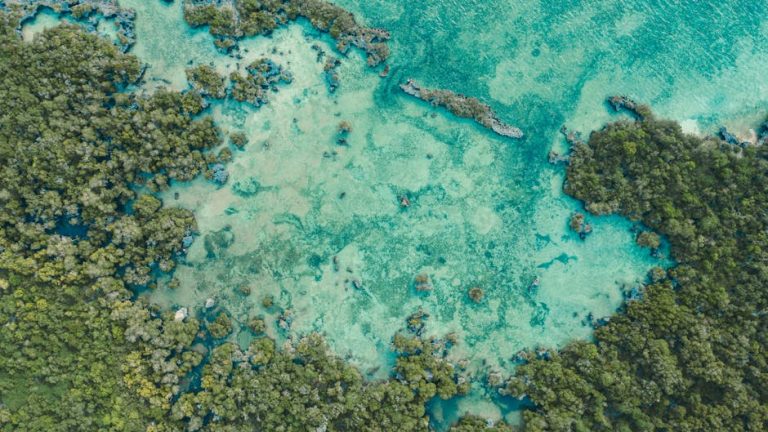
The islands of Raja Ampat rarely appear suddenly. Most travelers approach them by boat, moving slowly through channels of deep blue water surrounded by limestone islands. The first impression is not dramatic coral reefs but a maze of green islands rising from the sea.
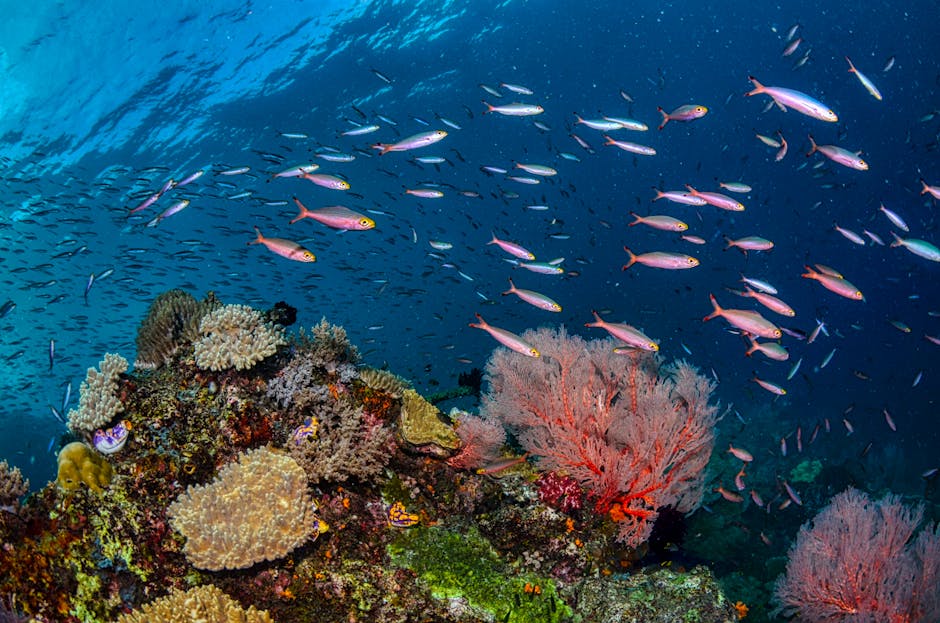
It takes time to realize that the real complexity of Raja Ampat lies beneath the waterline. Coral reefs wrap around nearly every island, creating an enormous network of shallow lagoons, steep reef walls, and coral gardens.
Island Geography That Shapes the Reef
Many islands in Raja Ampat are formed from limestone rather than volcanic rock. Their steep sides drop directly into the ocean, creating reef slopes that begin almost immediately below the shoreline.
In some places the coral begins only a few meters from the beach. In others the reef forms terraces that extend outward before descending into deeper water.
These structures influence how currents move through the archipelago. Narrow channels between islands often accelerate water flow, bringing nutrients that support dense marine life.
The Quiet Rhythm of Remote Islands
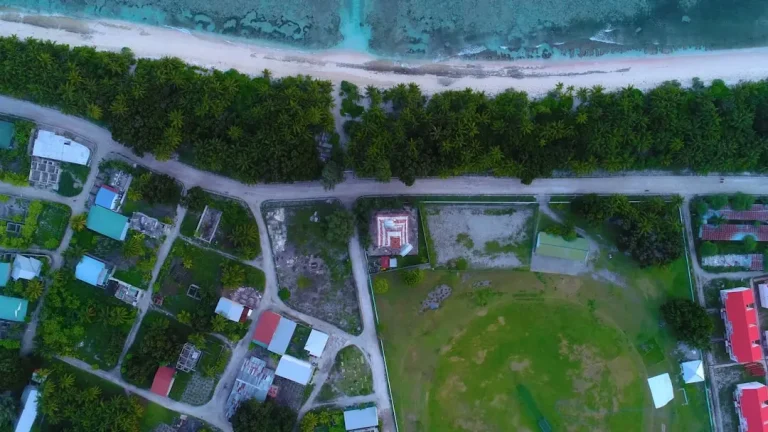
Unlike more developed reef destinations, many islands in Raja Ampat remain sparsely populated. Small fishing villages appear along certain shores, but large sections of coastline remain untouched.
Walking along a beach in the late afternoon can feel surprisingly quiet. The only sounds may come from waves touching coral rubble along the shoreline or birds moving through the forest canopy.
This isolation is one reason the reefs in Raja Ampat maintain such remarkable biodiversity.
What Travelers Often Notice Too Late
One detail many visitors overlook is how strongly tides influence reef exploration here. Water levels shift noticeably throughout the day, exposing coral flats at low tide and covering them again only a few hours later.
This movement changes where boats can travel and where snorkelers can safely enter the water.
Learning to watch the tide quickly becomes part of the daily rhythm for anyone spending time among these islands.
Why the Place Feels Different From Other Reef Regions
After visiting several reef destinations across the Indo‑Pacific, Raja Ampat still feels unusual to me. The density of islands creates a landscape that feels almost labyrinthine.
Travel rarely happens in straight lines here. Boats weave between islands, following channels shaped by reefs and currents.
That complexity gives the region a sense of depth that is difficult to capture in photographs but becomes obvious once you spend time moving through the islands.