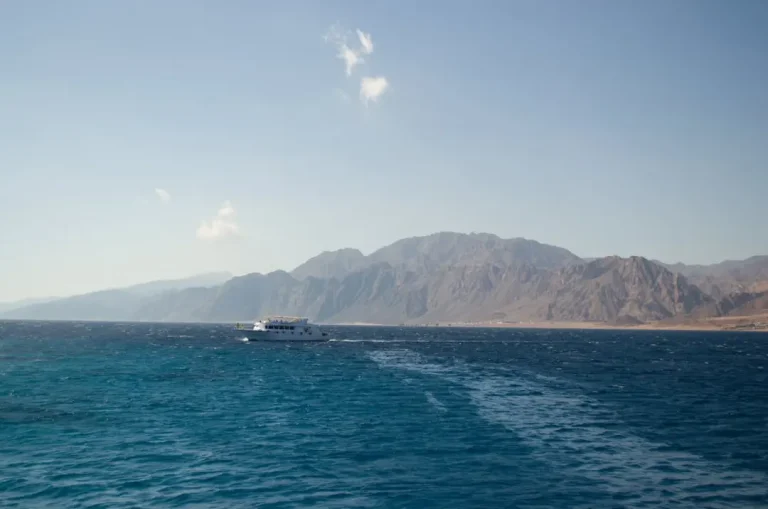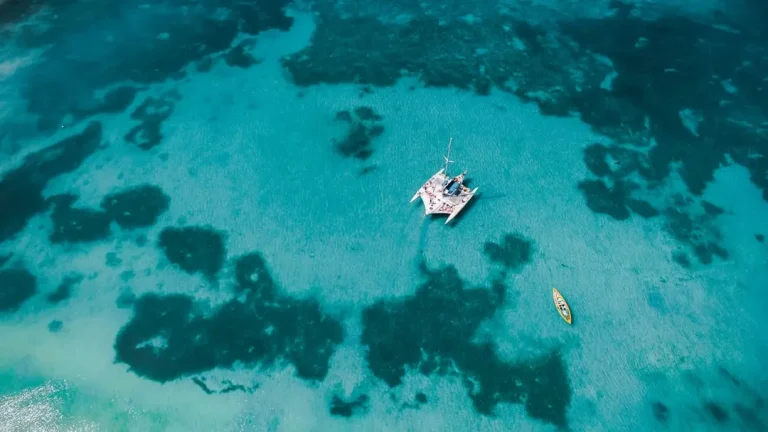
The appeal of stand-up paddleboarding in Okinawa isn’t what most travel articles suggest. It’s not about pristine turquoise waters or Instagram-ready moments, though those exist. It’s about the specific texture of the water at different times of day, the way the light changes the color of the seafloor, and how quickly a quiet cove fills with other visitors once the sun reaches a certain angle. After spending time paddling along Okinawa’s less-visited beaches, the reality becomes clearer than any promotional description could make it.
Okinawa sits at the southern edge of Japan’s archipelago, roughly 1,600 kilometers southwest of Tokyo. The islands experience a subtropical climate with warm water year-round, which makes paddling possible in winter when most of Japan is cold. The main island, Okinawa-honto, is surrounded by smaller islands and protected bays. The water temperature ranges from around 20°C in winter to 28°C in summer, meaning a wetsuit is useful in cooler months but not essential during warmer periods. The seafloor around many private beaches consists of sand, seagrass, and shallow coral formations, which affects both the clarity of the water and the experience of paddling.
Finding Quieter Water
The beaches that appear in guidebooks fill quickly. Motobu and Chatan on the main island have dedicated SUP rental shops and draw steady crowds by mid-morning. If you’re looking for something quieter, the smaller bays and coves on the western and northern coasts require more effort to reach but reward that effort with noticeably fewer people. The private beaches attached to some resorts and smaller hotels offer another option, though access often requires staying at the property or arranging permission in advance.
What “private” actually means in Okinawa varies. Some beaches are technically public but accessed through narrow paths that discourage casual visitors. Others are genuinely restricted to hotel guests. A few local operators manage small sections of beach specifically for water sports. The difference between a crowded public beach and a quieter alternative often comes down to logistics – parking, access roads, and visibility from main highways. Beaches that require a short walk or aren’t visible from the main road tend to stay quieter throughout the day.
Early morning paddling, roughly between 6:30 and 8:00 AM, offers a different experience entirely. The water is calmer, the light is softer, and you’re often alone. The tradeoff is that the sun is lower, which means less visibility of the seafloor in deeper sections. By 9:00 AM, other paddleboarders and swimmers begin appearing. By noon, even quieter beaches show noticeable activity. If solitude matters to you, timing matters more than location.
Water Conditions and Seasonal Patterns
The water clarity around Okinawa fluctuates with season and recent weather. Summer months, particularly June through August, bring higher temperatures but also occasional turbidity from rainfall and increased algae growth. The visibility can drop to 5-8 meters in these conditions. Late autumn and winter, from October through March, offer clearer water and calmer conditions overall, though the air temperature is cooler. Spring, March through May, sits in between – pleasant water temperature, generally good visibility, but occasional rain systems can cloud the water for a day or two.
Tides in Okinawa shift roughly 1-2 meters between high and low, which affects paddling more than many visitors expect. Paddling at low tide exposes more seagrass and shallow coral, making the water feel different underfoot if you step off the board. High tide creates deeper channels and changes the shape of the beach itself. Tidal timing varies by location around the islands, so checking local tide tables before paddling isn’t optional if you’re planning to explore specific areas.
Wind patterns also shift seasonally. Winter brings occasional strong winds from the north, which can make paddling on the eastern side of the main island choppy and uncomfortable. The western side tends to be more sheltered. Summer winds are generally lighter but less predictable. Spring and autumn offer the most consistent, moderate conditions. This isn’t just about comfort – wind direction affects water clarity and the behavior of currents around the islands.
The Reality of Coral and Marine Life
Paddling over shallow coral formations is common around Okinawa’s quieter beaches. The coral isn’t always obvious from above the water, especially when visibility is moderate. Coral cuts are a real risk if you fall or step into shallow areas. Most experienced paddleboarders in Okinawa wear water shoes or reef boots, which aren’t glamorous but prevent unnecessary injury. The coral itself is fragile – even brushing it with a paddle can cause damage. Staying aware of your board’s position and avoiding shallow areas unless you’re specifically exploring them is necessary.
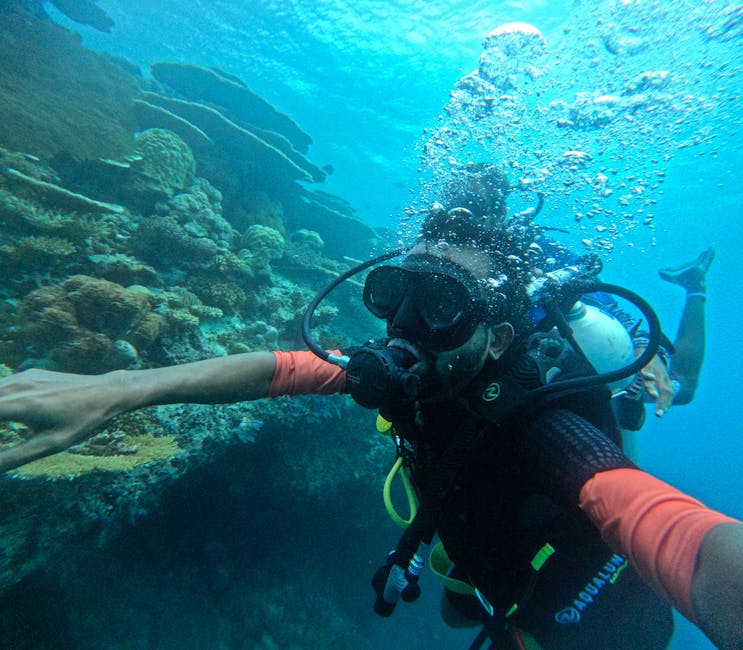
Fish and marine life are present but not dramatic. You’ll see small reef fish, occasionally larger grouper in deeper sections, and sometimes sea turtles in specific areas during certain seasons. The presence of marine life varies significantly by location and time of year. Some coves are genuinely quiet in terms of visible wildlife. Others host more activity. The expectation of seeing abundant marine life should be tempered – paddling isn’t the same as snorkeling, and most underwater activity happens below your line of sight.
Practical Logistics
Renting a SUP board in Okinawa is straightforward. Most shops offer hourly and daily rates, with daily rentals typically ranging from 3,000 to 5,000 yen. Boards are generally decent quality, though older rental equipment sometimes shows wear. Bringing your own board is possible if you’re traveling with a vehicle, though transporting a board through Japanese airports and onto the islands adds complexity. Most visitors rent locally.
Transportation to quieter beaches often requires a rental car. Public transportation exists but is less convenient for reaching smaller coves. Parking at private beaches can be limited or nonexistent, which is part of why they stay quiet. Some hotels and resorts have dedicated parking for guests using their beach access. Planning your route and parking situation before arriving at a beach saves frustration and time.
The physical experience of paddling in Okinawa’s subtropical water is different from paddling in cooler climates. The water supports you differently, the board feels slightly more buoyant, and fatigue builds differently in warm conditions. Staying hydrated matters more than it might seem. Paddling for two hours in 28-degree water with direct sun exposure requires more water intake than most people anticipate. Bringing water and taking breaks isn’t optional.
Okinawa’s SUP experience isn’t about discovering untouched paradise or achieving perfect Instagram moments. It’s about understanding how a specific place – with its tides, seasonal patterns, coral formations, and crowds – actually feels when you’re on the water. The quieter beaches exist, the water is genuinely warm and accessible, and the paddling itself is straightforward. What makes the experience worthwhile is recognizing what time of day, season, and specific location will give you the conditions you’re actually looking for, rather than expecting any beach to deliver the same experience regardless of when you visit.