The Whitsundays is not the first place experienced reef snorkellers mention when you ask them about the best snorkelling in Australia. It comes after Ningaloo, after Lady Elliot, after the outer reef day trips from Port Douglas. The snorkelling is genuinely good, but it competes in a region where the scenery is so extraordinary that the marine life sometimes feels almost like a bonus.
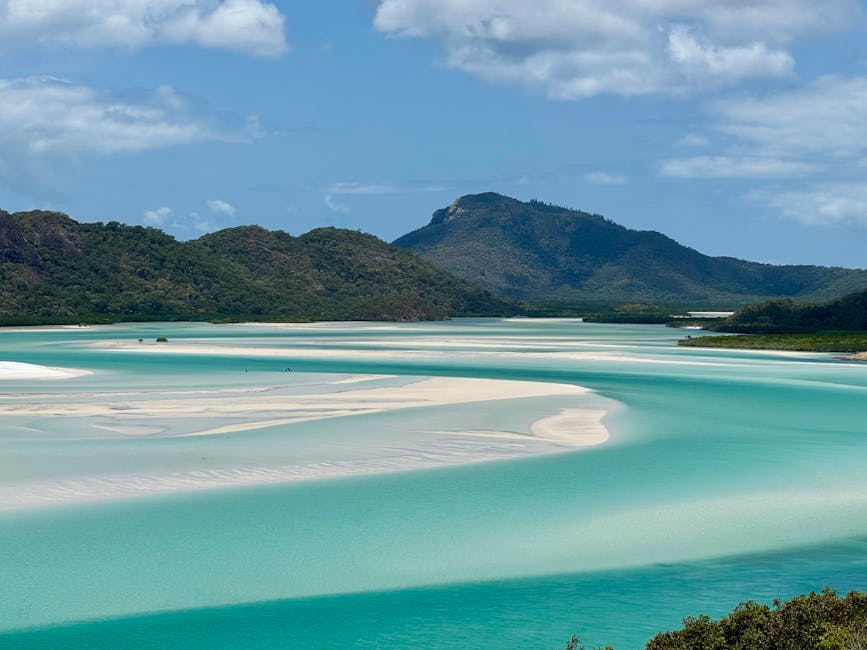
This, I’ve come to think, is exactly the right way to approach snorkelling in the Whitsundays. Come for the sailing, the beaches, the Hill Inlet sand patterns that you will photograph compulsively and still not quite capture. The snorkelling, when you find the right sites in the right conditions, will more than hold its own.
Where to Snorkel: The Honest Hierarchy
The fringing reefs around the continental islands vary considerably in quality. The islands themselves — Whitsunday, Hook, Hayman, Hamilton — are surrounded by rocky reefs that are interesting for their fish life but don’t have the coral cover of the outer reef. Visibility in the passages between the islands is often affected by tidal turbidity: 5 to 12 metres depending on conditions, lower after rain.
For the best snorkelling within the Whitsunday group, prioritise these sites:
Blue Pearl Bay, Hook Island. This small bay on Hook Island’s northeast coast is the finest snorkelling in the island group. The bay is sheltered from the southeast trade winds and has a healthy fringing reef with good coral coverage, particularly in the 2 to 5 metre zone along the bay’s northern edge. Fish life is abundant — large schools of batfish that approach snorkellers with impressive bravado, parrotfish in several colour phases, turtles that use the bay regularly. Visibility is usually better here than in the main passages, typically 10 to 18 metres.
Manta Ray Bay, Hook Island. On Hook Island’s northwestern tip, this site lives up to its name in season. Manta rays are not guaranteed — this isn’t Lady Elliot — but from June through September, sightings from the surface are common enough that it’s worth spending time floating in the current off the point. The snorkelling is also good in a conventional sense, with reef structure at 2 to 8 metres and interesting fish communities on the coral gardens.
Bait Reef. The best snorkelling accessible from the Whitsundays is at Bait Reef, a platform reef about 50 kilometres north of the main island group that’s accessible on extended day trips or on sailing charters that travel north. The water clarity here is better than at the islands — typically 15 to 20 metres — and the reef structure includes the large table corals and complex bommies that characterise outer GBR reef at its best. If you have the option to include Bait Reef in your Whitsundays itinerary, take it.
Langford Island Spit. On a day-sail from Airlie Beach, Langford Island is accessible, and the exposed sand spit on its eastern end extends into clear water with a fringing reef on its southern side that’s excellent for snorkelling in the right conditions. The shallow water at the spit tip — sometimes knee-deep — produces an unusual combination of beach aesthetic and immediate reef access.
Conditions and Timing
The Whitsundays experience a clear seasonal pattern that significantly affects snorkelling quality. The dry season (April through October) brings southeast trade winds that keep the main passages and channels clear. The wet season (November through March) brings calmer winds, warmer water, and higher runoff from the Queensland mainland after rainfall, reducing visibility particularly on the inner reef sites.
For snorkelling quality, the period from June through September is best: trade winds provide consistent afternoon breezes that keep the islands cool, the water has cleared from winter, and visibility on the better sites is at its seasonal peak.
Wind direction determines which sides of the islands are snorkel-able. Southeast winds make the southeastern shores choppy and uncomfortable; the northwestern shores are sheltered and calm. This pattern repeats consistently during trade wind season. Sailing charter skippers plan anchorages accordingly, and the best captains know which bays are comfortable in which conditions.
Snorkelling from a Charter Yacht
The sailing charter experience in the Whitsundays provides a snorkelling context that day trips can’t replicate: you can anchor in a bay in the late afternoon, snorkel it in the golden late-light, be in the water at dawn before any other vessel arrives, and snorkel again at dusk when the day fish are settling and the night animals are beginning to stir.
These quiet-time sessions — dawn, dusk, the hour after other boats have departed — are when snorkelling in the Whitsundays is best. The fish are less stressed by human presence, the light quality is extraordinary (raking light at dawn and dusk penetrates the water differently from midday sun, creating shadows and highlights that make reef topography visible in three dimensions), and the bays have a stillness that peak-season day trips never achieve.
If you’re on a charter yacht and your captain offers an early morning snorkel in a bay you anchored in overnight — before breakfast, before anyone else is in the water — go. Always go. Reef that nobody else has visited that day is noticeably different from reef that’s been snorkelled for six hours.
The Underwater Topography of the Islands
The continental islands of the Whitsundays have an underwater topography shaped by their geological origin — they’re submerged hilltops, essentially, and the reefs around them grow on the rocky substrate of what was once dry land. This means that the underwater terrain around the islands is varied: rocky walls, boulder fields, sandy patches between reef sections, deep-water channels that drop away sharply.
This variety is good for snorkelling because different substrate types support different communities. The rocky walls around Hook Island’s headlands host sponge communities, gorgonian fans, and the fish that shelter in crevices — lionfish, wobbegongs, scorpionfish. The sandy channels between reef sections are where eagle rays rest and garden eels extend from their burrows. The mixed coral-and-rubble zones are where turtles feed.
The Whitsundays aren’t the GBR’s best snorkelling. They are, however, a complete snorkelling environment embedded in the most scenically extraordinary island landscape in Queensland, and the combination is difficult to argue with.
Sail them. Anchor in Blue Pearl Bay. Put your face in at dawn. You’ll understand.