The Ribbon Reefs are numbered one to ten, running from south to north along the outer edge of the northern GBR between Cooktown and Lizard Island. They’re long, narrow reefs – some stretching 25 kilometres while barely a kilometre wide – oriented parallel to the continental shelf edge, exposed to the Coral Sea swell and the nutrients it carries. The diving on their outer walls is among the best on the entire reef system.
Each ribbon reef has its own character. Ribbon Reef No. 3 has Steve’s Bommie – a coral pinnacle rising from 30 metres to within 5 metres of the surface, encrusted with soft corals and surrounded by schools of fish so dense they block the light. Ribbon Reef No. 10 has Cod Hole, where potato cod the size of armchairs have been greeting divers since the 1970s. Ribbon Reef No. 9 has the Lighthouse Bommies, a series of coral towers on the outer wall that concentrate pelagic life in a way that feels almost theatrical.
Steve’s Bommie
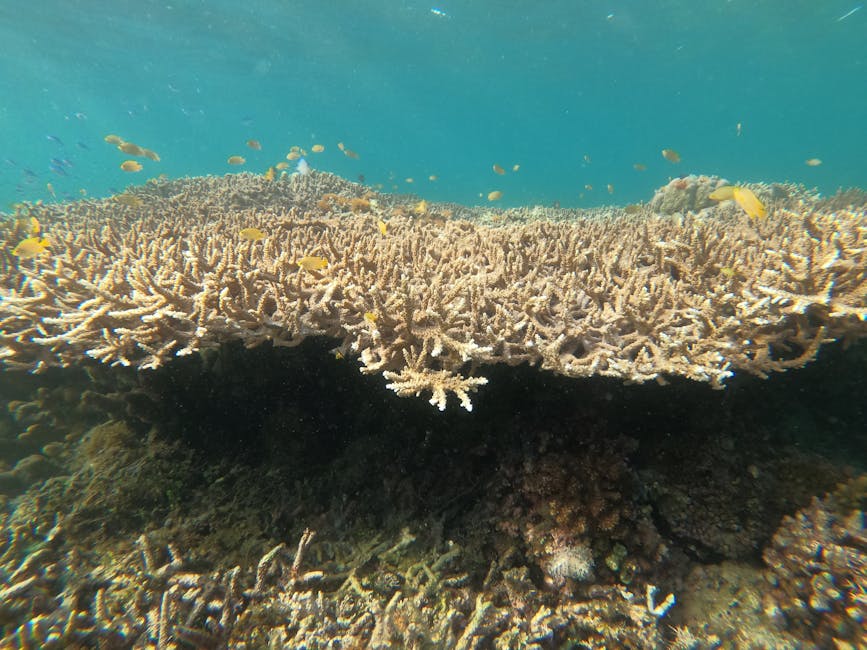
Steve’s Bommie on Ribbon Reef No. 3 is one of the most photographed dive sites on the GBR, and the photographs don’t do it justice. The bommie itself is spectacular – a coral tower covered in sea fans, soft corals, and encrusting sponges in every colour – but what makes it extraordinary is the fish life. Schools of batfish, surgeonfish, and fusiliers orbit the bommie in continuous circuits. Trevally hunt through the schools in coordinated bursts. Reef sharks patrol the deeper sections. The whole site has the quality of a reef in perfect working order, every ecological role filled.
The bommie is named after Steve Domm, a marine biologist who worked on the GBR in the 1980s and identified the site as exceptional. It’s been a regular stop on northern GBR liveaboard itineraries ever since, and the fish life has remained consistently dense – a sign that the site is genuinely productive rather than simply habituated to divers.
Accessing the Ribbon Reefs
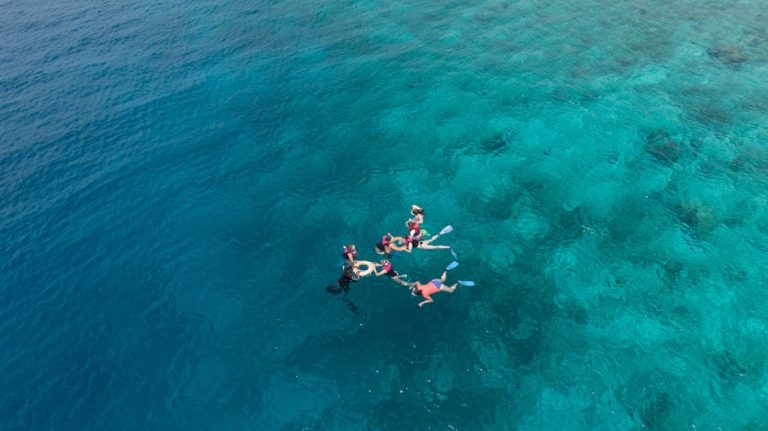
The Ribbon Reefs are accessible by liveaboard from Cairns or Port Douglas, typically as part of a 4-7 day northern GBR itinerary. Day trips from Cairns can reach the southern ribbon reefs, but the northern reefs – where the best diving is concentrated – require overnight travel. The journey is part of the experience: the transition from the turbid inshore waters to the clear outer reef is visible and dramatic, the water changing from green to blue over the course of a few hours.
The best conditions are typically from August to November, when the southeast trade winds have eased and the water clarity is at its peak. Cyclone season (December to April) brings rougher conditions and reduced visibility, though the ribbon reefs are more sheltered than the Coral Sea atolls and remain diveable through most of the year.