Papua New Guinea is the destination that experienced Australian divers mention when they want to talk about the best diving they’ve ever done. Not everyone agrees on the specific sites — PNG is a large country with an extraordinary variety of diving environments — but the consistency with which serious divers, including people who have dived the Coral Triangle, the Red Sea, the Maldives, and the remote Pacific, name PNG as the standard against which other diving is measured is striking.
I first went to PNG on a liveaboard out of Alotau, in Milne Bay Province, on the recommendation of a dive guide at Osprey Reef who had been twice and was planning a third trip. He was right to send me.
Why Papua New Guinea
The answer to why PNG consistently produces this response from experienced divers is biodiversity. Papua New Guinea sits at the heart of the Coral Triangle — the convergence zone of three ocean basins where marine species diversity reaches its global maximum — and it has been subject to relatively low commercial fishing pressure on many of its reef systems compared to more heavily populated Coral Triangle nations. The result is reefs that combine extraordinary species diversity with intact fish and shark populations.
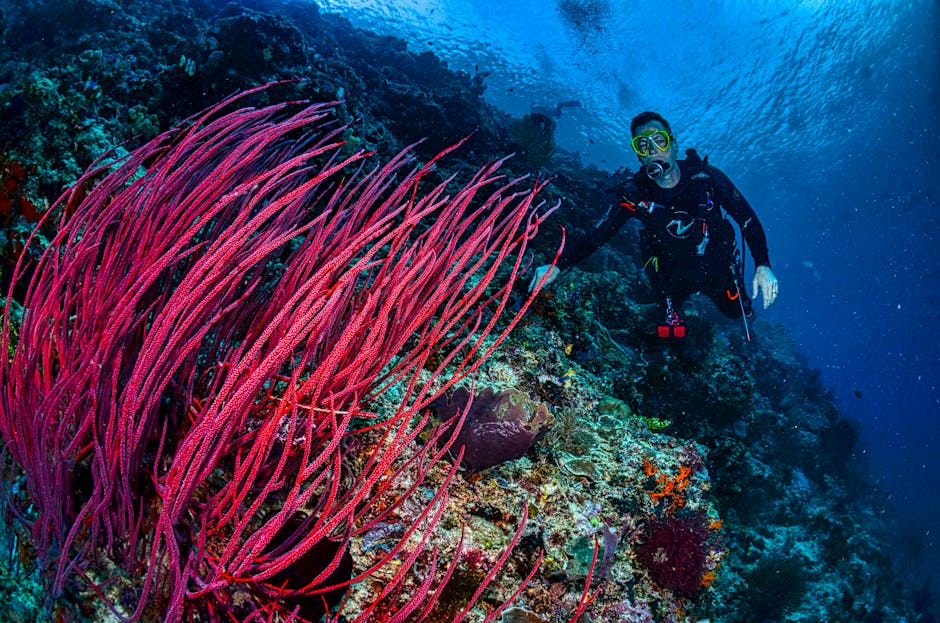
The numbers: approximately 1,200 fish species, 600 coral species, and invertebrate diversity that exceeds any comparable area in the Indo-Pacific. Specific creatures that are rare elsewhere are common in PNG: pygmy seahorses on every gorgonian fan, unusual nudibranch species on rubble slopes, rare batfish, ghost pipefish in every variety. The fish biomass — the sheer volume of fish life on any given reef — is, at the best sites, overwhelming in the most literal sense.
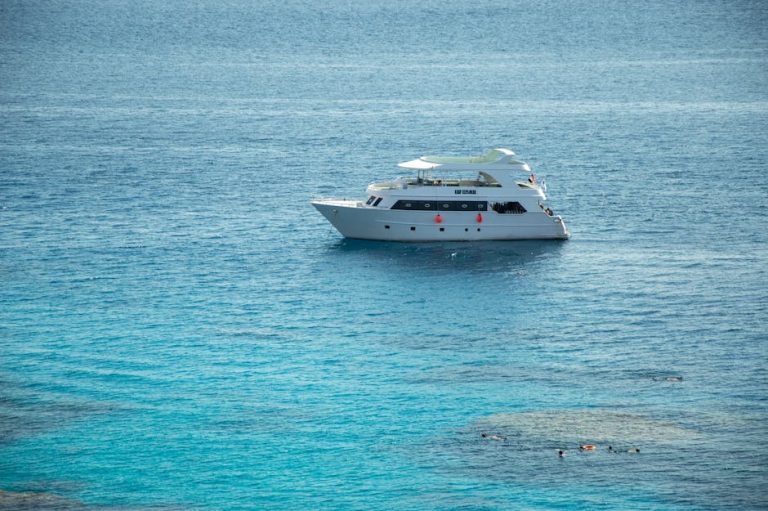
Milne Bay Province: The Classic PNG Liveaboard
Milne Bay, in the southeastern tip of PNG’s mainland, is the entry point that Australian divers have been using since the 1970s. The provincial capital Alotau is served by flights from Port Moresby (which connects to Cairns and Brisbane), and several operators run liveaboards that depart from the Alotau area.
The diversity of diving environments in Milne Bay is one of its defining features. In a week-long itinerary, you might dive: outer wall dives in oceanic clarity with shark encounters comparable to the Coral Sea; muck diving slopes with extraordinary macro life; pinnacle dives rising from deep water; sheltered bay reefs with current-fed soft coral gardens; and World War II wrecks that have been colonising for eighty years.
The muck diving in Milne Bay is, by many assessments, the finest in the world. Lembeh Strait in Indonesia is more famous, but the Milne Bay muck sites — particularly the rubble slopes around Dinah’s Beach and the various bay systems accessible from Alotau — have macro life densities and species that match or exceed Lembeh’s famous inventory. Rhinopias scorpionfish, flamboyant cuttlefish, mimic octopus, hairy frogfish — the full muck diving inventory is accessible here.
Kimbe Bay: The Coral Showcase
Kimbe Bay, on the north coast of New Britain island, is the site that marine scientists consistently cite when discussing the finest coral reef biodiversity accessible to recreational divers anywhere. The combination of deep-water access, nutrient-rich upwelling, and high oceanic clarity produces reef communities of extraordinary complexity.
The coral species list for Kimbe Bay is staggering by any comparative standard. The hard coral diversity alone exceeds that of the entire Caribbean. The soft coral gardens on the bay’s outer pinnacles — structures that rise from sandy bottom at 30 metres to within five metres of the surface — are as densely covered as any reef I’ve seen.
The specific dive site that gets mentioned most often by Kimbe Bay veterans is Hanging Gardens: a section of reef wall covered so completely in soft coral that the wall itself is invisible, the entire face a continuous covering of Dendronephthya, gorgonians, and sea whips in an improbable density of colour. I’ve seen photographs of it for years. The photographs do not prepare you for being there.
Liveaboards serving Kimbe Bay depart from Kimbe town, accessible from Port Moresby by domestic flight. Several operators run regular itineraries from May through November (the dry season, when sea conditions are most reliable).
Tufi: Fjords and Reefs
Tufi, on the northern coast of the PNG mainland’s Owen Stanley peninsula, is a diving destination with an unusual geographic character: the coastline is a series of drowned river valleys that form narrow, deep-cut fjords, and the reefs grow at the entrance to these fjords where the protected inner water meets the open ocean.
The fjord diving is distinctive in a way that’s hard to categorise relative to standard reef diving. The walls descend from the fjord surface to depths well beyond recreational limits, covered in encrusting corals and sponge communities shaped by the restricted light and the flow of freshwater and salt water meeting at the fjord entrance. Fish communities are unusual — species that are uncommon on open reef are abundant in the fjord environment.
Tufi has a small resort that serves as both accommodation and diving base; liveaboard access is less common but the resort’s dive operation is excellent and the site is genuinely distinctive.
Practical Information for Australian Divers
Getting there. Air Niugini and PNG Air serve Port Moresby from Cairns, Brisbane, and Sydney. Cairns connections are the most frequent and convenient for Australian divers. Port Moresby’s Jacksons International Airport has reasonable facilities and connects to Alotau, Kimbe, and other provincial centres on domestic services.
Health and safety. Malaria prophylaxis is recommended for diving areas that are at or below 1,500m elevation, which includes all the main diving destinations. Consult a travel medicine clinic six weeks before departure. The usual tropical precautions apply: insect repellent, food and water care, travel insurance with medical evacuation cover (the nearest hyperbaric facilities are in Port Moresby or Australia — evacuation insurance is non-negotiable).
Currency and logistics. The PNG Kina fluctuates; carry US dollars as a backup. Most liveaboard operators are paid in advance in Australian dollars and manage all in-country logistics. Customs and immigration at Port Moresby are straightforward for Australian passport holders.
Best season. May through November is the dry season and the recommended period for diving. December through April brings the northwest monsoon and rougher conditions on many sites.
Why I Keep Going Back
PNG has a roughness to it — the infrastructure is limited, the logistics require flexibility, the surface intervals occasionally involve conversations about things beyond diving — that some travellers find uncomfortable. I find it clarifying. The inconveniences remind you that you’re somewhere genuinely remote, and the reef that rewards the effort of getting there is unmistakably worth it.
The PNG liveaboard experience is not the polished, resort-adjacent comfort of the Coral Sea atolls. It’s something rawer and more demanding, and the diving it contains is, by my own measure after fifteen years and many oceans, as good as anywhere I’ve been.
Go at least once. Bring an extra memory card.