Weather around coral reef islands rarely behaves exactly the way forecasts suggest. Even when meteorological reports predict clear skies and calm seas, local conditions can shift throughout the day in subtle ways. The islands themselves influence wind direction, cloud formation, and water movement. Travelers who spend several days moving between reef islands quickly begin noticing how these small changes shape the atmosphere of the entire landscape.
The first lesson many visitors learn is that mornings often feel different from afternoons. Before the sun rises high enough to warm the surrounding air, the sea can appear almost completely calm. Lagoons reflect the sky like glass, and coral formations remain visible beneath the surface from a surprising distance.
As the morning progresses, wind gradually begins to move across the water.
This pattern appears repeatedly across many tropical reef regions. Warm air rising above the islands draws cooler air from the ocean surface, creating steady breezes that strengthen during the middle of the day. By afternoon these winds can produce small waves that ripple across the lagoons and reef flats.
Then, as evening approaches, the wind often fades again.
The Subtle Influence of Island Geography
Not all reef islands experience weather in the same way. Small changes in island shape or orientation can influence how wind moves across the surrounding water. A narrow island ridge might block strong winds on one side while leaving the opposite shore exposed to open ocean breezes.
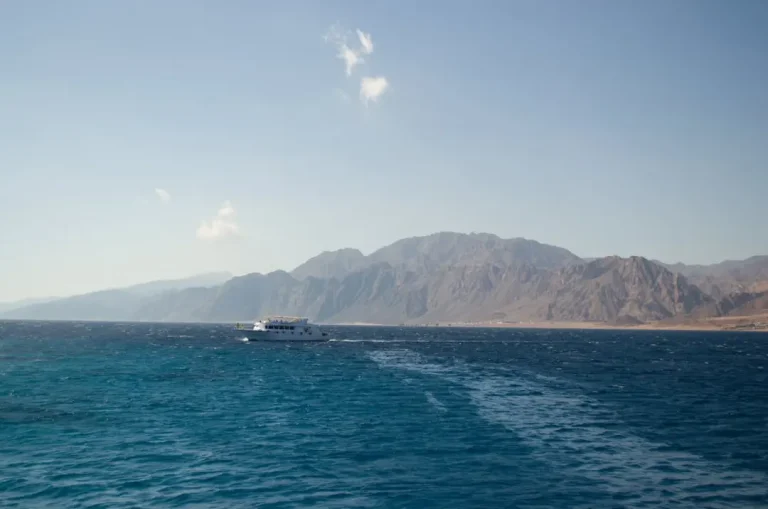
These differences become noticeable when traveling by boat between nearby islands. One lagoon may appear smooth and protected while another, only a few kilometers away, shows constant movement from passing wind.
Local boat captains usually know these patterns well. When conditions become rough in one channel, they often choose alternate routes through calmer water on the sheltered side of nearby islands.
This local knowledge can make the difference between a smooth journey and a challenging one.
Cloud Patterns Over Reef Lagoons
Cloud formation above coral islands often follows recognizable rhythms as well. During calm mornings the sky may remain almost perfectly clear, allowing sunlight to illuminate the reef structures below the water.
Later in the day small clouds sometimes begin forming above the islands themselves. Warm air rising from vegetation and sandy beaches encourages condensation, creating scattered cloud clusters that drift slowly across the sky.
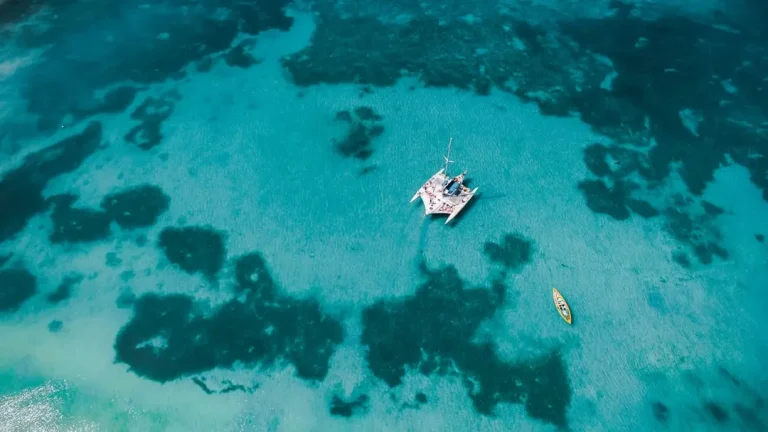
These clouds can temporarily change the appearance of the reef below. When a cloud shadow passes across a lagoon, the bright turquoise water suddenly deepens into darker shades of blue.
Moments later the sunlight returns, revealing coral formations again.
The reef appears to change color even though nothing beneath the water has moved.
Wind and the Texture of the Sea
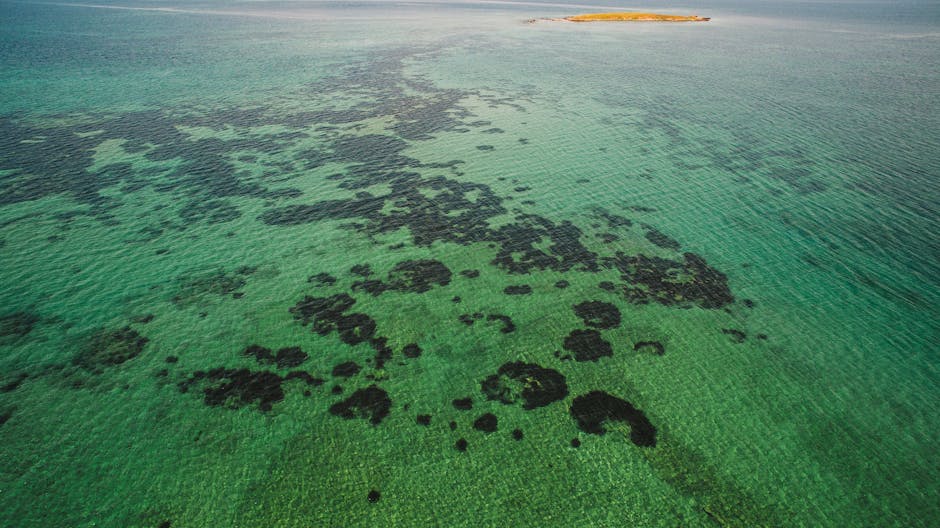
Wind is perhaps the most noticeable element shaping daily reef conditions. Even gentle breezes create small ripples that scatter sunlight across the water surface. These ripples may seem insignificant, but they can alter how easily coral formations are visible from above.
On completely calm days the water surface becomes almost transparent, allowing swimmers to see several meters into the reef structure. Sand channels, coral heads, and even moving fish sometimes appear clearly from the surface.
Once wind begins moving across the lagoon, reflections from the water surface increase. The reef remains visible, but its details become slightly blurred by the shifting patterns of light.
Experienced snorkelers often prefer entering the water during the calmest hours of the morning for this reason.
Storms That Never Fully Arrive
Tropical weather systems occasionally threaten reef islands without fully developing into storms. Dark clouds may gather along the horizon while distant rain falls across sections of the ocean.
From the island these events can appear dramatic, yet they sometimes pass without reaching the reef itself. The storm moves across the sea in the distance while the lagoon remains calm.
Watching these weather patterns unfold across the open water can be mesmerizing. Curtains of rain drift across the horizon while sunlight continues illuminating the reef near the shore.
These shifting conditions create some of the most memorable seascapes travelers encounter around coral islands.
How Weather Shapes Daily Activity
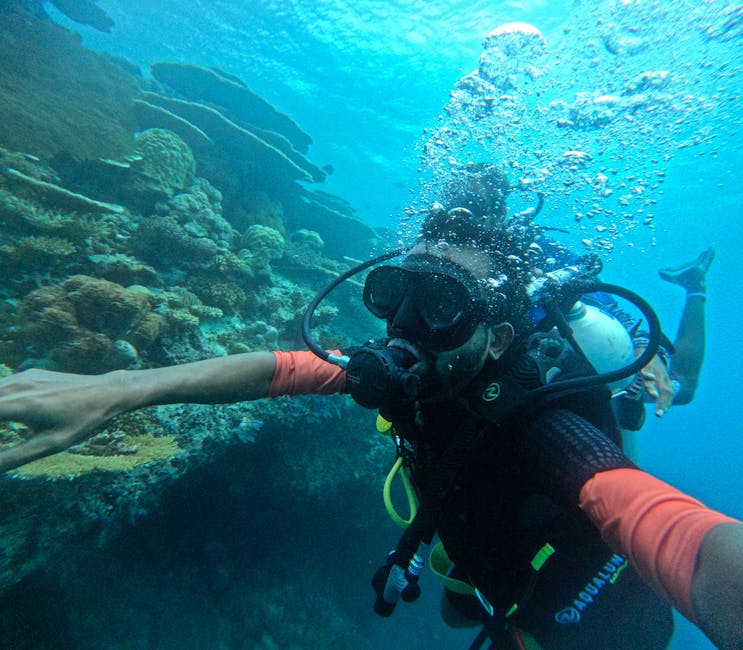
Weather influences nearly every activity around reef environments. Boat departures, snorkeling sessions, and diving trips often depend on wind direction and wave conditions.
Even small increases in wind can make certain reef sites less comfortable for swimmers. Waves may break across shallow reef crests, creating currents that push water into lagoons.
Guides and boat crews usually adjust plans accordingly. Protected lagoons or sheltered reef slopes become preferred locations when conditions grow rough in more exposed areas.
For travelers this flexibility often becomes part of the adventure.
Evening Calm After a Windy Day
One of the most satisfying moments on reef islands arrives when the wind finally fades toward evening. After hours of movement across the water, the sea begins settling again.
The lagoon gradually smooths into a reflective surface, and coral formations once again appear through the water.
Standing on the beach during these calm moments often reveals how dramatically the sea has changed since the afternoon. What looked restless only an hour earlier now appears almost completely still.
Clouds near the horizon begin catching the warm light of the setting sun, and the reef landscape softens into quiet colors.
The Long Rhythm of Reef Weather
Travelers who spend extended time among coral islands eventually recognize that weather patterns form part of the reef’s natural rhythm. Wind rises and falls. Clouds gather and disappear. The sea alternates between calm clarity and textured movement.
These shifts do not disrupt the reef environment; they define it.
Learning to observe these patterns allows visitors to appreciate reef landscapes in a deeper way. Instead of hoping for perfect weather every day, travelers begin recognizing that each change reveals a different side of the ocean.
Some days offer calm lagoons ideal for snorkeling. Others bring dramatic skies and shifting seas that transform the entire horizon.
Together, these moments form the real experience of reef travel.