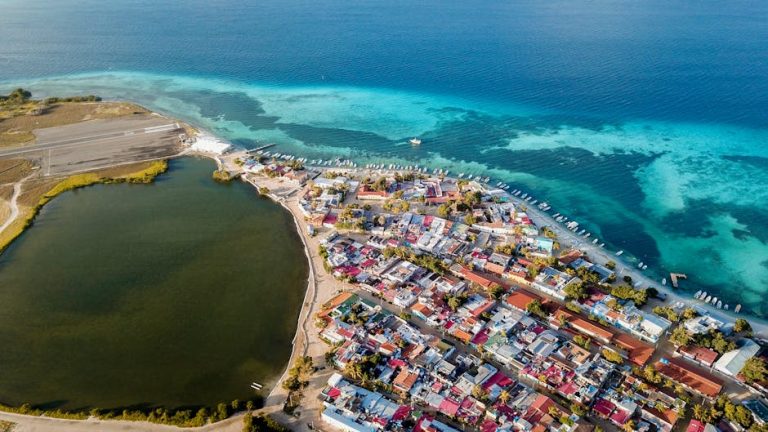
Heron Island is a coral cay – a small island built entirely from coral rubble and sand, sitting on top of a reef platform that extends for several kilometres in every direction. The island itself is modest: 17 hectares of pisonia forest, a research station, a small resort, and more nesting seabirds than you can count. The reef around it is extraordinary.
The University of Queensland Research Station on Heron Island has been operating since 1951, making it one of the longest-running coral reef research facilities in the world. The data sets generated here – on coral growth rates, fish populations, water chemistry, turtle nesting – span decades and provide a baseline against which current reef condition can be measured. When researchers talk about what the GBR used to look like, Heron Island data is often part of the evidence.
The Reef Flat and Lagoon
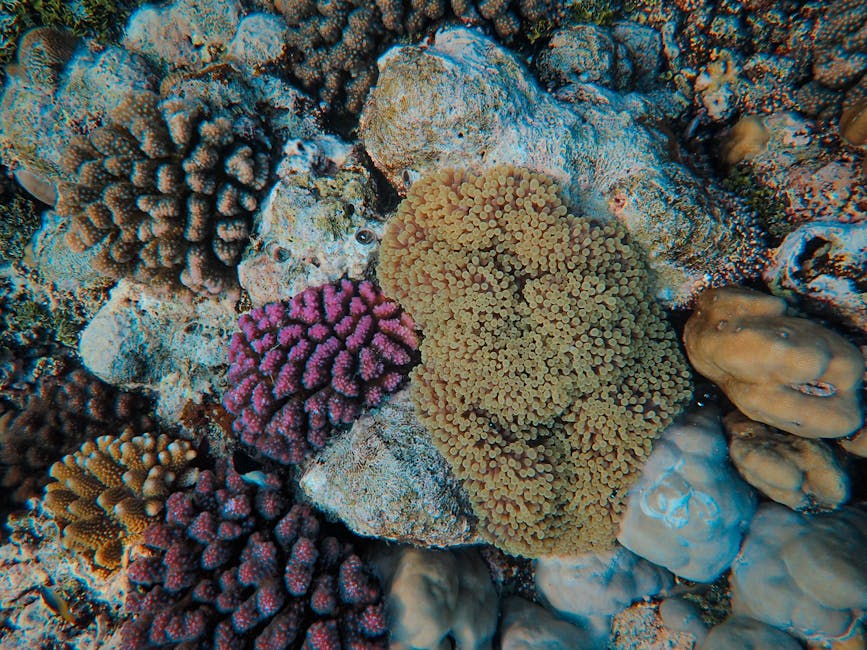
The Heron Island reef flat is one of the most accessible coral reef environments in Australia – a broad, shallow platform that can be walked at low tide, revealing a dense community of corals, fish, invertebrates, and the green turtles that graze the seagrass meadows year-round. It’s where many Australian marine biologists had their first reef experience, and it retains the quality of a living laboratory: everything is close, visible, and identifiable.
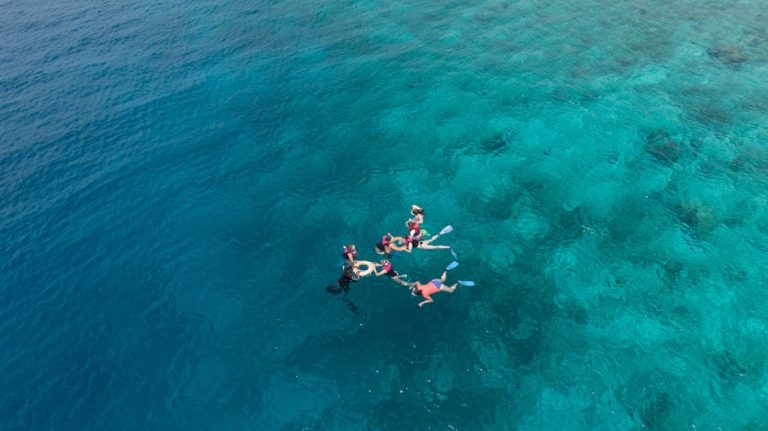
The lagoon on the western side of the island is the primary snorkelling area – calm, clear, and populated with the full range of reef fish species. Bommies rise from the sandy lagoon floor, each one a self-contained ecosystem of coral, fish, and invertebrates. The turtles are a constant presence, surfacing every few minutes with that characteristic explosive breath before diving again to graze.
The Outer Reef
The outer reef wall on the eastern side of Heron Island drops from the reef crest to 30-40 metres, with a profile of overhangs, gutters, and coral formations that concentrate fish life. The Heron Bommie – a large coral head on the outer slope – is the signature dive site, reliably producing encounters with reef sharks, large grouper, and the occasional manta ray that visits the cleaning stations on the outer wall.
Heron Island is also one of the best places on the GBR to observe coral spawning – the annual mass spawning event that occurs in the nights following the full moon in November and December. The research station runs spawning watches each year, and the combination of scientific context and direct observation makes Heron Island one of the most intellectually satisfying reef experiences available.