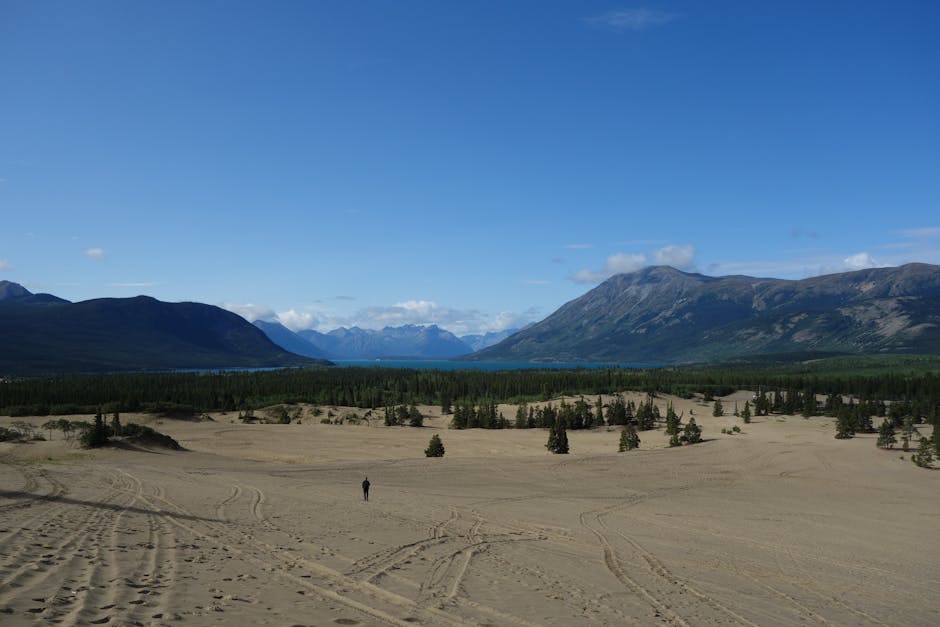
Yukon, tucked away in the northwestern corner of Canada, presents a landscape that feels almost otherworldly. The territory’s vast expanses of wilderness, punctuated by rugged mountains and pristine rivers, invite a deeper exploration beyond the typical tourist path. Here, the natural scenery doesn’t merely serve as a backdrop; it profoundly influences the rhythm of life and the experiences of those who venture into its embrace.
The early morning light casts a soft glow over the expansive terrain, revealing the intricate patterns of frost on the ground and the stillness of the air. As the sun rises higher, the landscape transforms, with shadows shifting and revealing the vibrant greens and browns of the earth. This is the kind of place where the quiet is palpable, and the sounds of nature – rustling leaves, distant animal calls – become a soundtrack that accompanies your journey.
Wildlife Encounters and Natural Wonders
Wildlife is abundant in Yukon, and the chance encounters with moose or caribou can be both exhilarating and humbling. These moments often occur when you least expect them, perhaps while hiking along a secluded trail or while driving on less-traveled roads. The sheer size of the animals can be surprising, and the experience of observing them in their natural habitat adds a layer of authenticity to your visit.
The territory is also home to stunning natural features such as the mighty Yukon River, which flows through the heart of the region. Kayaking or canoeing on the river can provide a unique perspective on the landscape. However, be mindful of the seasonal conditions; spring runoff can lead to swift currents, while summer offers a more tranquil experience. Planning your timing around these natural cycles can greatly enhance your enjoyment.
Seasonal Variations in Experience
Each season in Yukon brings its own character. Winter transforms the landscape into a snowy wonderland, ideal for activities like snowshoeing or dog sledding. The long, dark nights are punctuated by the ethereal dance of the Northern Lights, a spectacle that draws many travelers seeking to experience this natural phenomenon. However, the cold can be biting, and preparation is essential for comfort and safety.
In contrast, summer days are long and filled with opportunities for exploration. Hiking trails become accessible, revealing hidden lakes and breathtaking vistas. However, as the weather warms, the area can see an influx of visitors, particularly in popular spots. Timing your excursions early in the morning or later in the evening can help you avoid the crowds and allow for a more intimate experience with nature.
Practical Considerations
Traveling in Yukon requires some logistical planning. The region is vast, and distances between attractions can be significant. Roads may be well-maintained, but conditions can vary, especially in remote areas. It’s advisable to have a reliable vehicle and to check local advisories for the best routes. Accommodation options range from rustic lodges to more modern hotels, but reservations are wise, particularly during peak seasons.
Yukon’s remoteness often means that services can be limited, so it’s a good idea to stock up on supplies and fuel in larger towns before heading into the wilderness. Additionally, while the beauty of the natural environment is a significant draw, the realities of the terrain and climate should not be underestimated. Being prepared for changing weather conditions and having a flexible itinerary can enhance your overall experience.
The Yukon is a place where the natural world reigns supreme, and the experiences it offers are both enriching and grounding. Engaging with its landscapes and wildlife can lead to a profound appreciation for the raw beauty of this remote territory. The essence of Yukon lies in its ability to connect you with nature, providing a sense of peace that lingers long after you leave.