The first thing I usually notice on the Great Barrier Reef in the early morning is the silence. Boats have not started moving yet, the wind has not built across the water, and the reef often feels suspended between night and day. Standing on the deck of a small vessel just after sunrise, the water can look almost glassy, revealing faint coral shapes beneath the surface.
Many travelers arrive expecting a dramatic tropical spectacle the moment they step onto the reef. The reality is quieter. The reef wakes gradually. The colors appear slowly as sunlight reaches the shallow coral flats, and the fish begin moving through the coral heads in loose schools.
The Reef Before the Wind Arrives
Morning conditions often define the entire experience on the reef. By mid‑day the wind frequently strengthens across this part of the Coral Sea, especially during the dry season. Early hours are when the water surface stays calm enough to see the reef structure clearly from above.
I often spend the first part of the morning simply watching the water. Subtle color changes reveal where coral gardens begin and where sandy channels run between them. On calm days the reef appears almost three‑dimensional from the surface.
These quiet observations help explain how the reef is organized. The outer slopes drop quickly toward deeper water, while the inner reef areas hold lagoons and shallow coral fields that stretch toward nearby islands.
Life Moving Through the Reef
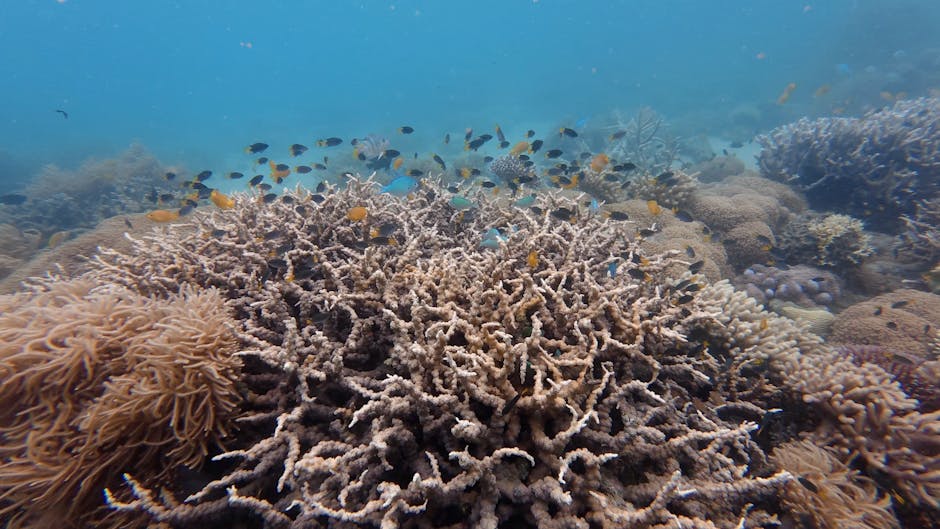
One of the more surprising aspects of the Great Barrier Reef is how gradually marine life reveals itself. At first the water seems empty. Then small fish begin appearing along the coral ridges. Soon the reef becomes busy with movement.
Parrotfish work along the coral surface, grazing quietly across entire sections of reef. Butterflyfish travel in pairs along the edges of coral heads. Occasionally a turtle appears from deeper water and drifts slowly toward the shallows.
These small encounters often feel more memorable than the dramatic moments travelers expect. They happen naturally when the reef is calm and the environment feels undisturbed.
How the Atmosphere Changes During the Day
As the morning progresses the character of the reef shifts. Boats begin arriving from the mainland ports of Cairns or Port Douglas. Snorkelers enter the water. The quiet atmosphere gradually becomes livelier.
This change is not necessarily negative. Activity on the reef can be exciting. But it reminds me how different the reef feels depending on the time of day. Early morning often offers the clearest sense of the reef’s natural rhythm.
By early afternoon the wind usually builds across open water. Waves break more strongly along exposed reef edges. Visibility can change slightly as sand and sediment move through shallow areas.
What Stays With Me After Visiting
What stays with me most after mornings on the Great Barrier Reef is the sense that the reef operates on its own quiet schedule. Visitors arrive and leave, but the patterns of water, light, and marine life continue with little concern for the human timetable.
The reef does not reveal itself instantly. It unfolds slowly, especially for travelers willing to spend time simply observing before jumping into the water.
That gradual rhythm is what makes the early hours on the Great Barrier Reef feel so distinctive.