Many travelers only experience coral reefs at high tide when the water covers the reef structure completely. Low tide reveals a different side of the reef that is rarely discussed in travel writing.
As the water retreats, sections of the reef emerge above the surface, exposing coral formations that normally remain hidden.
The Landscape of an Exposed Reef
Walking along a reef flat at low tide can feel almost like crossing a strange geological landscape. Pools of seawater collect between coral heads while narrow channels continue draining toward deeper water.
Small fish become temporarily trapped in these pools, creating miniature ecosystems that last only until the tide returns.
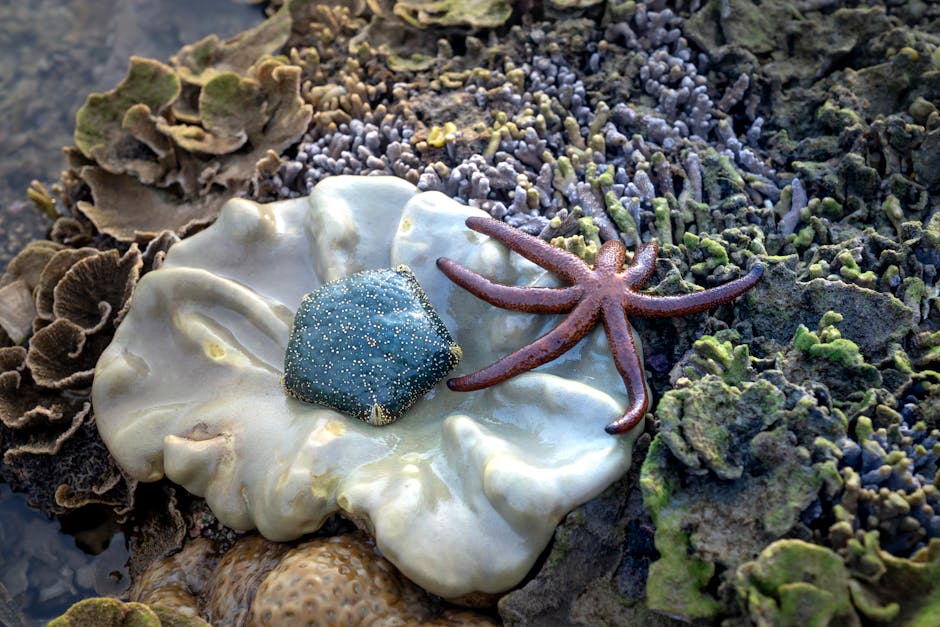
Crabs and other small marine creatures appear across the coral surface, moving quickly between pools.
How the Atmosphere Changes
The sound of waves changes during low tide as well. Instead of breaking directly on the reef edge, the waves often collapse further offshore where deeper water remains.
Closer to shore the reef can feel unexpectedly quiet.
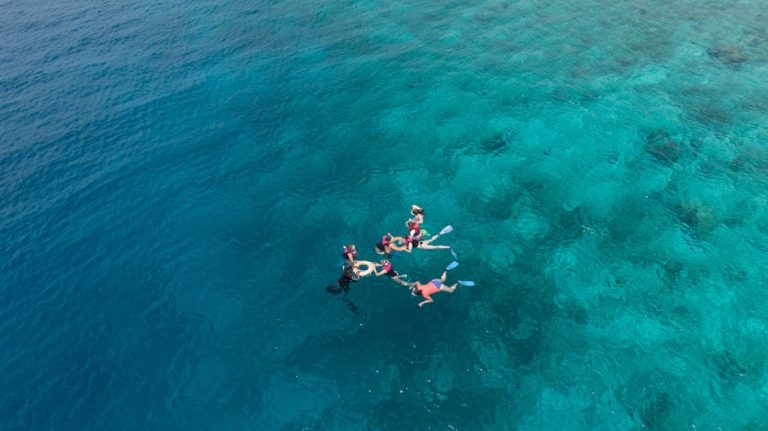
This quieter atmosphere reveals details that are easy to miss during high tide snorkeling sessions.
Observing Coral Up Close
Low tide also provides an opportunity to observe coral structure more closely. The intricate shapes of coral colonies become visible above the waterline.
However, this is also a moment when caution matters. Coral surfaces are fragile, and stepping directly on living coral can cause damage.
Responsible travelers move carefully and avoid touching delicate formations.
The Reef Waiting for the Water
Eventually the tide begins to return, slowly filling the channels and covering the exposed coral.
The reef transforms again into the underwater world most visitors expect.
Watching that transition reminds me how dynamic reef environments really are.