James Cook careened HM Bark Endeavour on the riverbank at what is now Cooktown in 1770, after the ship struck the reef near Cape Tribulation and needed repairs. He was there for seven weeks — long enough to observe the country, meet the Guugu Yimithirr people whose land he’d run aground on, and record observations of a kangaroo that, when he described it to naturalists back in London, nobody quite believed.
Cooktown is named for him. The town sits at the mouth of the Endeavour River, at the edge of the range of convenient Queensland tourism, past the end of the sealed road network for much of the year, and exactly at the threshold between accessible north Queensland and the Cape York wilderness that begins immediately north of town.
Getting There
There are two routes from Cairns. The coastal route — the Bloomfield Track through the Daintree and Cape Tribulation — requires a 4WD and typically a dry season visit; the track crosses creek crossings impassable in the wet. The inland route, via the Mulligan Highway, is sealed and accessible year-round but misses the coastal drama.
The coastal approach is, by some margin, the more impressive arrival. The track runs through country grading from Daintree rainforest through dry sclerophyll to coastal heath, with views of the Coral Sea appearing and disappearing through the vegetation.
The Reef from Cooktown
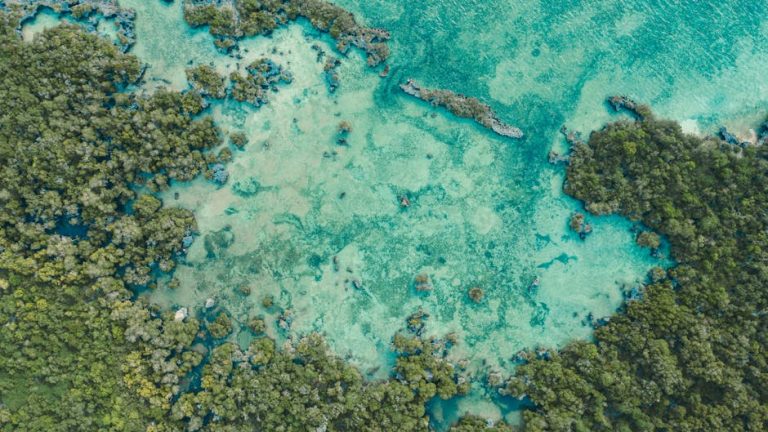
Reef access from Cooktown is through local operators running small-boat day trips to inner reef systems north and south of the Endeavour River — typically six to twelve people on a 6-metre aluminium vessel. These are not the large-scale operations of Cairns; they access reef sites that virtually no one else visits.
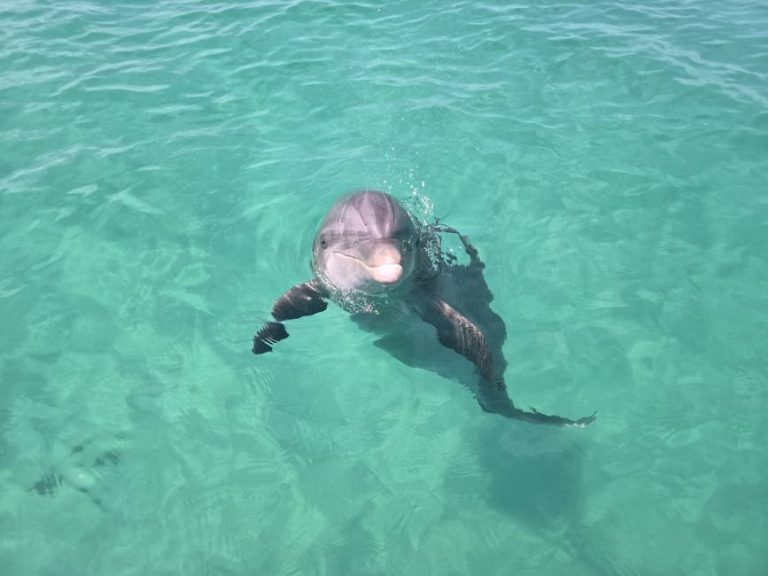
The reef at this latitude is in excellent condition. The low visitor numbers, combined with distance from agricultural runoff and coastal development, produce coral coverage and fish diversity that experienced divers from the southern GBR find striking. I’ve dived sites here with resident potato cod that were entirely unafraid of divers — because so few divers have ever been there.
The James Cook Museum
Cooktown’s James Cook Museum, housed in a former convent built in 1889, is one of the best small regional museums in Australia. The collection covers Cook’s Endeavour voyage with the original anchor recovered from where it was lost on the reef — a physical object connected directly to the event, sitting in a room in a small town in north Queensland.
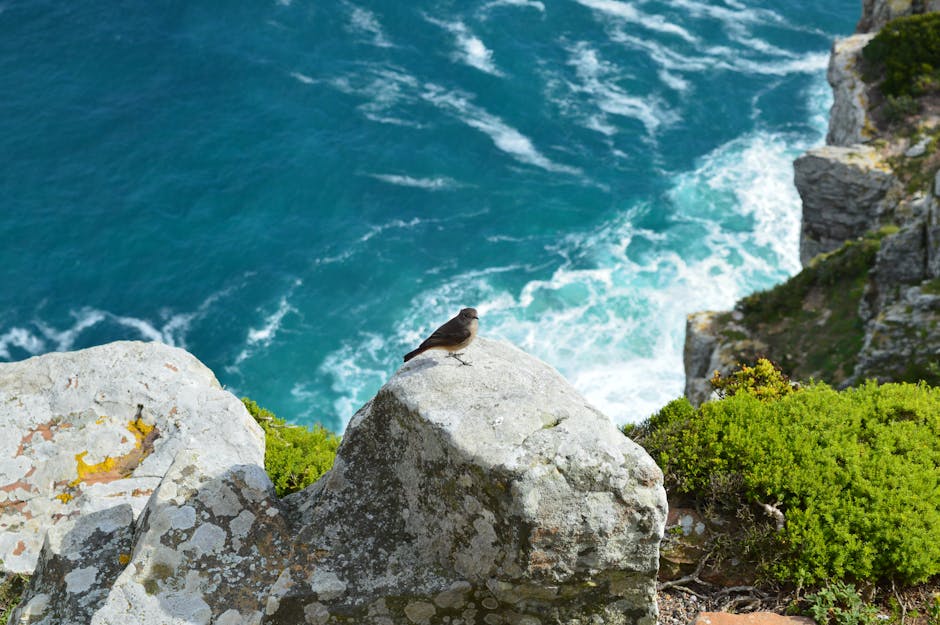
Grassy Hill, at the north end of town, has a lighthouse and views over the Coral Sea that explain immediately why Cook chose this location to repair his ship. The sea from this height on a clear day is the GBR spread out below you: pale green of shallow reef, deep blue of the channel, white of breaking waves on the outer barrier.
When to Go
The dry season — May through October — is the practical window, particularly via the Bloomfield Track. Cooktown has a supermarket, a couple of restaurants, a pub, and a hardware store. Everything else you bring with you. For visitors who’ve been in the water here and watched a potato cod circle their legs on a reef that nobody else visited that day, the trade seems entirely reasonable.