Christmas Island occupies a peculiar position in the imagination of most Australians. They know the name — it comes up in refugee and immigration contexts regularly enough — but almost none of them have been there, and fewer still know that it is, for divers, one of the genuinely extraordinary destinations in the eastern Indian Ocean.
I went for the crabs. I stayed for the sharks.
The Red Crabs and the Migration
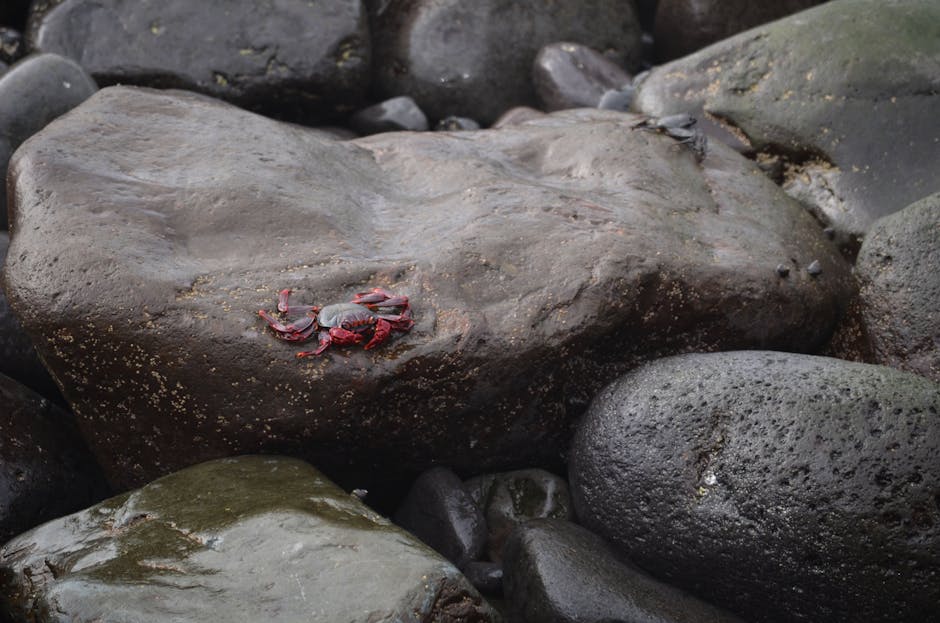
Christmas Island’s red crab (Gecarcoidea natalis) migration is one of the most remarkable wildlife spectacles on Earth, and it happens twice a year in the transition between dry and wet seasons. In October or November, triggered by the first rains after the dry season, an estimated 40 to 50 million red crabs emerge from the rainforest interior and migrate simultaneously to the coast to breed. The migration takes the crabs — each one about twelve centimetres across, vivid scarlet, moving on eight legs with the purposeful directness of something that has been doing this for millions of years — through roads, buildings, gardens, and every other feature of the island’s small human settlement.
Roads are closed. Crab crossings — plastic barriers that funnel the crabs safely across roads — are erected. The island’s Parks Australia staff coordinate a management effort that is simultaneously a wildlife operation and a logistical one. For several days, the coast is red from the waterline to the cliff tops.
I arrived at the tail end of a migration, when the females were returning to the forest after releasing their eggs at the sea. The clifftop walk at Blowholes, on the island’s northern coast, had crabs wall to wall in both directions for as far as I could see. I walked very carefully.
The Diving
Christmas Island is a seamount — a volcanic island that rises from deep ocean floor — surrounded by underwater walls that drop from the surface to depths well beyond recreational limits within a short distance of shore. The lack of a continental shelf means that open-ocean species are present immediately at the reef edge: hammerheads, whale sharks, oceanic whitetip sharks, and silky sharks are all reported regularly at dive sites accessible from the island.
The standout site is Flying Fish Cove — the main settlement’s harbour — which, despite being an active small port, has some of the finest wall diving in the Indian Ocean accessible from a shore entry. The wall starts at two metres and drops to beyond 40 metres in a continuous face of encrusted rock and coral, with large fish moving through constantly. I did a shore dive here in the early morning and shared the wall section between five and twenty metres with two grey reef sharks, a turtle that showed no interest in me whatsoever, and a school of yellowfin tuna that passed through the blue water off the wall in a loose group of forty or fifty animals.
The whale shark season at Christmas Island runs primarily from November through April, coinciding with the red crab breeding period and the resulting plankton bloom that follows the mass release of crab eggs into the sea. The connection is direct and extraordinary: the crabs spawn, the eggs hatch into larvae that join the plankton, the plankton bloom attracts whale sharks and other filter feeders, and suddenly one of the Indian Ocean’s most significant whale shark aggregations is happening in the bay beneath the island’s settlement.
The Rainforest
Christmas Island is 63% national park, and the rainforest interior is the reason. The forest covers most of the island’s plateau and is home to species found nowhere else: Christmas Island frigatebird, Abbott’s booby, the golden bosun bird with its extraordinary gold-streaked tail feathers, and the red crabs themselves, a keystone species whose grazing maintains the forest structure.
The combination of endemic wildlife in the forest and exceptional diving in the surrounding ocean makes Christmas Island a destination with an unusual depth of experience — you can spend a week there without diving and still have had a genuinely remarkable trip. You can spend a week diving without going into the forest and miss half of what the island offers.
Go during migration season if the crabs are your priority — October through December, with the exact timing depending on rainfall patterns in any given year. Go from November through April for the whale sharks and the diving at its most productive. Go any time, honestly, because the wall diving is good year-round and the crabs are present in smaller numbers throughout.
Getting There
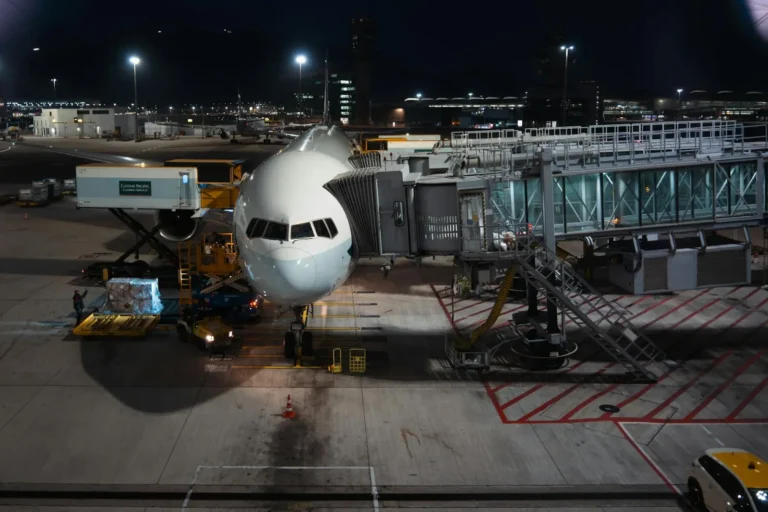
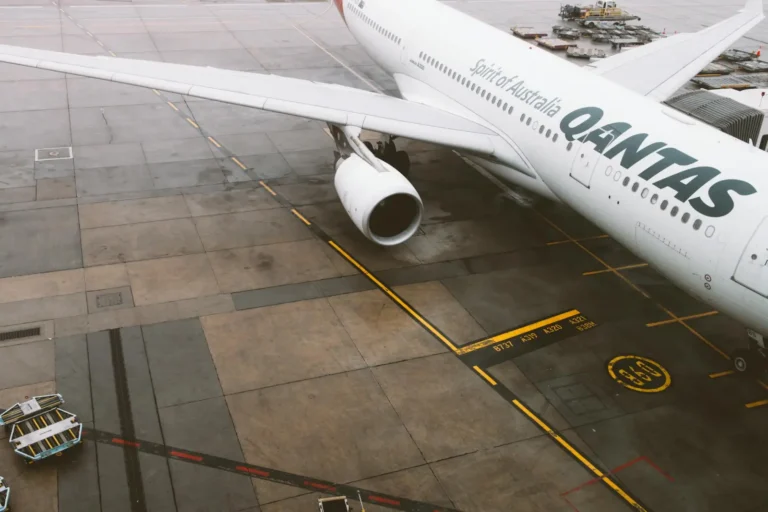
Christmas Island is served by direct Qantas codeshare flights from Perth (approximately three hours) and occasionally Singapore. Flight frequency is limited — typically twice weekly — which makes it, like Cocos, a minimum five-to-six-night trip in practice.
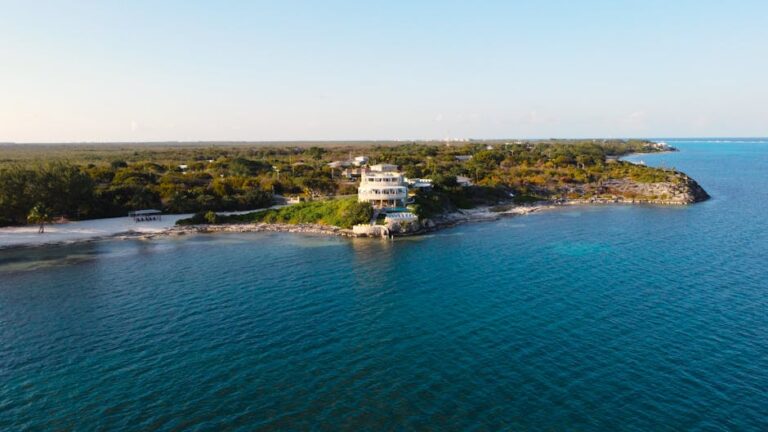
Accommodation is available at a small number of guesthouses and self-catering cottages, with a basic motel option in the settlement. The island has a small supermarket, a few restaurants, and the infrastructure of a remote Australian territory: functional, unhurried, and significantly more interesting than its administrative classification suggests.
Dive operations are owner-operated and small. This is, again, an advantage: the operators know their island’s diving in the specific, proprietary way that comes from diving the same sites for years rather than decades, and their knowledge of seasonal patterns — when the whale sharks are in the bay, which sites are best in which current conditions — is not available from any guidebook.
Christmas Island is not a mass-tourism destination and has no aspirations to become one. It is a specific place with specific things to offer, and those things — the crabs, the wall diving, the endemic birds, the whale sharks in the bay — are genuinely among the finest versions of themselves anywhere in the ocean.
Pack carefully. The airline weight restrictions are enforced, the flights are infrequent, and forgetting your dive computer is a problem with no easy solution.