Willis Island exists in a strange category of place – technically part of Australia, officially inhabited, yet practically unreachable for most travelers. It sits roughly 280 kilometers northeast of Cairns, deep in the Coral Sea, surrounded by open ocean with no reef to break the swell. The island itself is small, barely more than a rocky outcrop with sparse vegetation, and it functions primarily as a weather station and navigation marker rather than a destination.
Getting there requires either a research vessel, a specialized boat, or a helicopter, none of which operate on a regular commercial schedule. The logistics alone separate Willis Island from nearly every other Australian location. There are no ferries, no tour operators offering day trips, no accommodation for casual visitors. The island’s isolation isn’t romantic or picturesque – it’s absolute. The Coral Sea around it can turn rough quickly, and the weather patterns that make the island valuable for meteorological research also make it genuinely dangerous to approach during certain seasons.
The few people who do reach Willis Island are typically researchers, weather observers, or occasional government officials conducting maintenance. A small team rotates through to maintain the automated weather station and navigation equipment. They arrive by helicopter or boat, stay for weeks or months, then leave. The island has never developed tourism infrastructure because the conditions that make it remote also make it impractical to visit.
Why Willis Island Matters Despite Being Unreachable
Willis Island serves a critical function in Australia’s maritime and meteorological network. The weather station there collects data on tropical cyclones, ocean conditions, and atmospheric patterns across the Coral Sea. Ships navigating the area rely on the navigational beacon. For meteorologists and oceanographers, Willis Island provides real-time information from one of the most isolated points in Australian waters. The data collected there influences weather forecasts and cyclone warnings across the region.
This practical purpose explains why the island exists as a staffed outpost at all. It’s not a nature reserve or a protected habitat, though it does sit within the Coral Sea Marine Park. It’s a working station, maintained because its location makes it valuable, not because it’s scenic or accessible. The island’s isolation is the entire point – it sits far enough from land to capture undisturbed atmospheric and ocean data.
The Reality of Coral Sea Conditions
The Coral Sea around Willis Island behaves differently from the more sheltered waters closer to the Great Barrier Reef. The reef system that defines much of Australia’s northeastern coast doesn’t extend this far north and east. Willis Island sits in open ocean, exposed to swells that roll unimpeded across thousands of kilometers. The water clarity can be exceptional on calm days, but calm days are not guaranteed. Seasonal cyclone activity from November through April makes the area genuinely hazardous during those months.
The current patterns here are stronger and less predictable than in reef-protected areas. Tidal movements are significant. The seabed drops away quickly, so there’s no gradual shelf – it’s deep water almost immediately. These conditions mean that even when weather permits a boat to approach, the actual landing requires careful timing and experienced navigation. The island has no natural harbor, no protected anchorage. A vessel approaching Willis Island is always somewhat exposed.
Access and Practical Constraints
The Australian Bureau of Meteorology maintains the weather station and coordinates visits. Researchers or officials needing to reach Willis Island typically arrange transport through government channels or specialized marine operators familiar with remote Coral Sea conditions. A helicopter flight from Cairns is the most direct route, but this is expensive and typically reserved for essential personnel or emergency situations.
Boat access from Cairns takes considerably longer and depends entirely on sea conditions. The journey covers open ocean with no shelter, and the boat must be capable of handling significant swell. Most vessels making this trip are research boats or specialized charter operations, not standard tourist ferries. Even with good planning, weather delays are common. A trip that should take a day can stretch into several days if conditions deteriorate.
The island itself offers no accommodation for casual visitors. The weather station has basic facilities for the rotating staff, but there’s no guest accommodation, no supplies for tourists, no infrastructure designed for anyone who isn’t there for a specific work purpose. If someone did manage to reach Willis Island, they would need to arrange their own shelter and supplies, which makes the logistics even more complicated.
What You’d Actually Find There
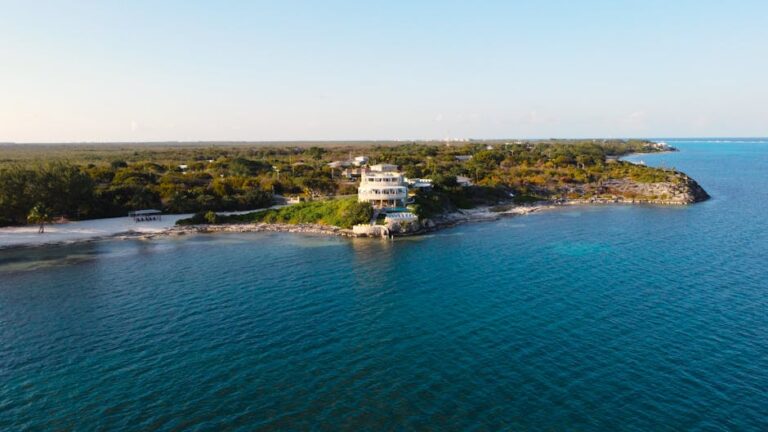
Willis Island is not visually dramatic. It’s a low, rocky island with sparse vegetation adapted to salt spray and strong winds. The surrounding water, when calm, is clear and deep blue. The marine life around it is typical of open ocean – pelagic fish, seabirds, occasionally sharks and rays. There’s no coral garden, no sheltered lagoon, no white sand beach. The island’s appeal exists entirely in its isolation and its role in the larger Coral Sea ecosystem.
The experience of being there would be one of exposure and emptiness rather than beauty. The wind is constant. The horizon stretches unbroken in all directions. The sounds are limited to wind, waves, and occasional bird calls. For someone accustomed to developed tourist destinations, Willis Island would feel austere and uncomfortable. For a researcher or someone genuinely interested in remote oceanography, it would feel like stepping into a working part of the natural world that few people ever witness.
The isolation is genuine, not manufactured for tourism. There are no viewing platforms, no interpretive signs, no facilities designed to make the experience comfortable. If you were there, you would be present because you had a specific reason to be – not because you were seeking a destination experience. That distinction matters. Willis Island doesn’t exist to be visited. It exists to serve a function, and visits are incidental to that purpose.
Seasonal Patterns and Timing
The best window for any approach to Willis Island is during the dry season, roughly May through October. Even then, conditions can change rapidly. The Coral Sea’s weather patterns are influenced by tropical systems that can develop with little warning. During the cyclone season from November through April, the area becomes genuinely hazardous, and visits are essentially impossible unless there’s an emergency requiring immediate access.
The water temperature remains warm year-round, typically between 24 and 28 degrees Celsius. Visibility is generally good, though plankton blooms can reduce clarity periodically. The real constraint isn’t water conditions but atmospheric weather and sea state. A calm day in the Coral Sea is valuable and rare enough that it’s typically reserved for essential work rather than casual exploration.
Willis Island represents a category of place that exists in the modern world but remains genuinely inaccessible to most people. It’s not protected by law from visitors – there’s simply no practical way to visit it unless you have a specific professional reason. The island continues to function quietly, collecting weather data and marking its position in the open ocean, indifferent to whether anyone ever comes to see it. That’s perhaps the most honest thing about it: Willis Island doesn’t care about tourism or visitor experience. It simply exists, doing its work in one of Australia’s most remote corners.