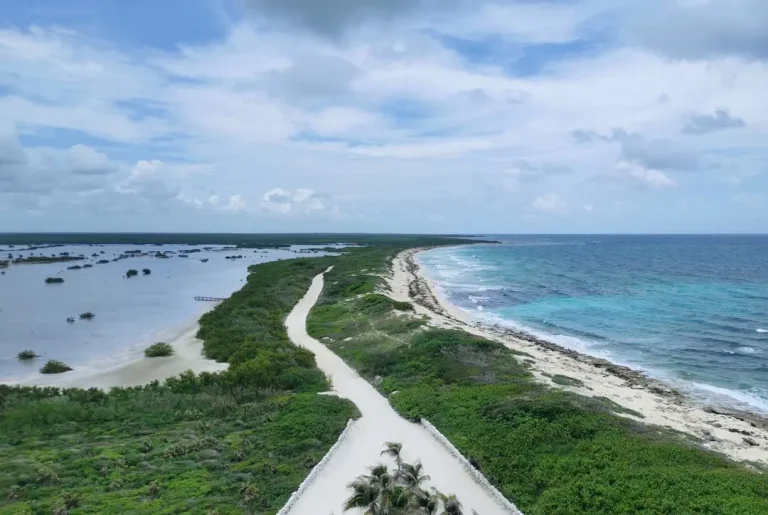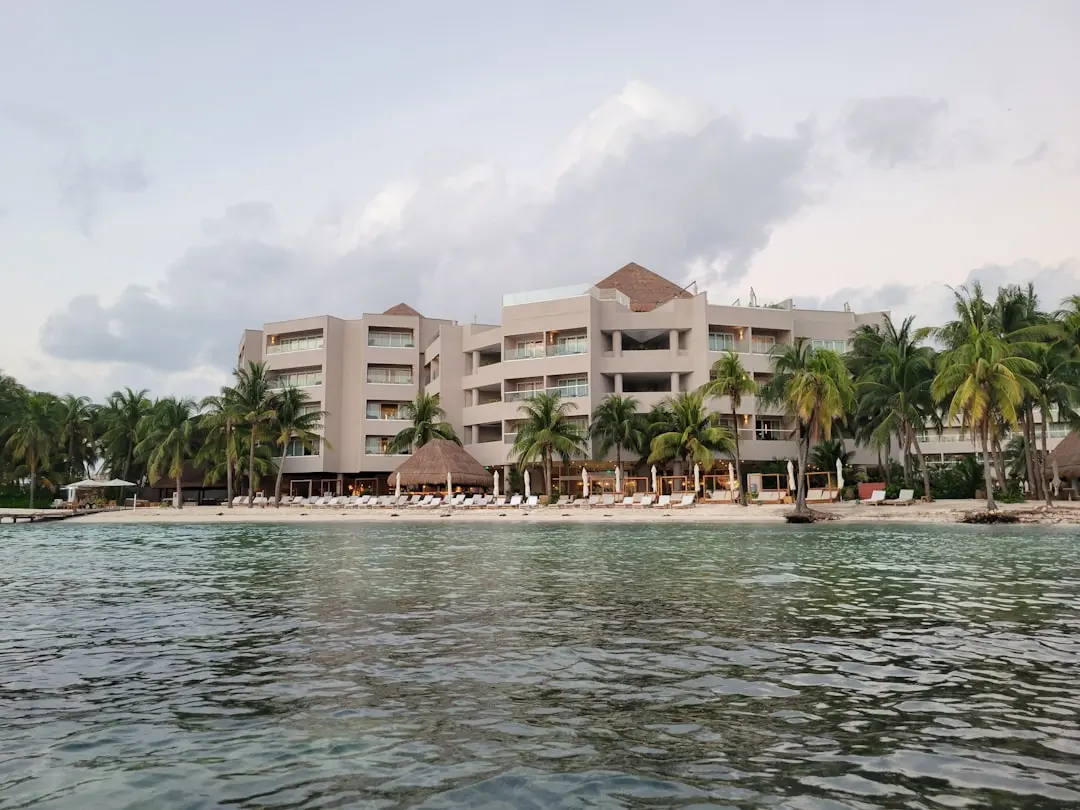
Isla Mujeres sits about eight miles off the Yucatan Peninsula, close enough to Cancun that day-trippers arrive by the hundreds, yet far enough away to feel genuinely separate from the mainland sprawl. The island itself is small – roughly four miles long and half a mile wide – and the reefs that draw most visitors lie in the shallow waters surrounding it. Getting there takes a ferry ride of twenty to thirty minutes depending on which dock you leave from, and that crossing is often your first real signal of what the day will feel like. A calm morning crossing feels entirely different from an afternoon one when the wind picks up and the water gets choppy.
The snorkeling here centers on a handful of specific sites, most of them within a short boat ride from the island. El Garrafon sits at the southern tip, a marine park with managed access and defined snorkeling zones. Manchones Reef lies offshore to the north, deeper and less crowded than El Garrafon. Between these and a few smaller spots, you have options depending on what kind of experience you want and how much you’re willing to spend.
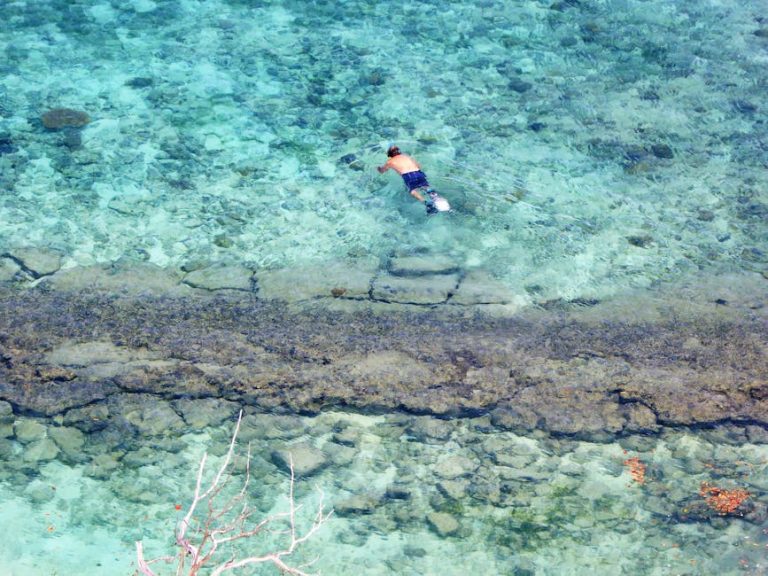
What strikes you first when you actually enter the water is the clarity. On good days – and most days are good days here – you can see thirty to forty feet down without effort. The water temperature hovers around 78 to 82 degrees Fahrenheit depending on the season, warm enough that you don’t need a wetsuit unless you’re particularly sensitive to cold. The reef structure itself is a mix of brain coral, elkhorn, and various smaller formations, with fish populations that respond predictably to the number of snorkelers in the water. Early morning visits, before the main ferry loads arrive, offer noticeably fewer fish because fewer people are feeding them. By mid-morning, the fish have learned the routine and gather in schools near snorkelers, expecting bread or prepared fish food.
The Reality of Crowding and Timing
Peak season runs from November through April, and during those months, the popular snorkeling sites fill up quickly. If you’re staying on Isla Mujeres itself, you have a genuine advantage – you can be in the water by 7 a.m. when the reefs feel almost empty. The difference between a 7 a.m. snorkel and a 10 a.m. one is substantial. Morning light penetrates the water differently, the fish behavior is less predictable and more natural, and you’re not constantly aware of other swimmers nearby.
Day-trippers from Cancun typically arrive on ferries between 9 and 11 a.m., which means the reefs experience a visible surge in activity mid-morning. The fish don’t disappear, but they become more reactive and less curious. You’ll see more of them, yes, but they’re also more skittish. The water itself can feel busier in a way that’s hard to quantify until you’ve experienced both times of day.
Check real traveller reviews, prices, availability, departure points, and flexible booking options in one place.
El Garrafon, being the most accessible and most promoted site, gets the heaviest traffic. The park charges admission and manages the experience with marked snorkeling corridors and designated areas. This structure keeps things organized, but it also means you’re following a path that hundreds of others have followed that same day. Manchones Reef, by contrast, feels quieter and less manicured. The reef here is less heavily visited, and the fish populations behave more naturally. You’ll see fewer parrotfish and sergeant majors because fewer people are feeding them, but the overall ecosystem feels less stressed.
What the Water Conditions Actually Tell You
Visibility changes with season and weather. Winter months bring the clearest water but also occasional rough seas that make boat access difficult. Summer water is warmer and calmer but carries more suspended particles, reducing visibility to the 20 to 30-foot range on average days. Late summer and early fall can bring murky conditions if there’s been recent rain or wind, and hurricane season (June through November) creates unpredictable conditions that can shut down reef access for days at a time.
The current around Isla Mujeres varies depending on which reef you’re visiting and the time of day. Manchones Reef has a noticeable current on some days that pushes you along the reef face – not dangerous, but something you need to be aware of. El Garrafon’s protected status means the water is generally calmer. If you’re an inexperienced snorkeler, the difference matters. A strong current can exhaust you faster than you expect, and fatigue in the water is something you want to avoid.
The Fish and Coral Reality
The coral here is genuinely healthy compared to many Caribbean reefs. Brain coral colonies are large and well-established, and the elkhorn formations show recovery from past bleaching events. You’ll see parrotfish, grouper, angelfish, and schools of jacks. Nurse sharks occasionally rest on the sandy patches between coral heads, and they’re harmless unless provoked. Spotted eagle rays show up in deeper areas. The biodiversity is real, though it’s worth understanding that what you see is partially shaped by the feeding that happens daily. The fish have learned that snorkelers mean food, so they congregate in ways they might not otherwise.
The coral itself requires respect. It’s fragile despite looking solid, and the combination of thousands of snorkelers per day and the practice of feeding fish has created some stress on the reef ecosystem. Broken coral is visible in the most heavily trafficked areas, and the sand around the reef shows signs of being kicked up regularly. This isn’t a catastrophic situation, but it’s noticeable if you’re paying attention.
Practical Considerations That Shape the Experience
Boat operators vary in quality and approach. Some focus on maximizing time in the water, others on the experience and education. Guided snorkel tours tend to be more expensive but offer context about what you’re seeing. Independent snorkeling – renting gear on the island and going out on your own – is cheaper but requires confidence in the water and navigation skills.
The ferry ride itself can be rough, particularly in afternoon wind. If you’re prone to seasickness, the morning crossing is gentler. Bring seasickness medication if you’re uncertain, and eat lightly before traveling. The sun exposure is intense – reef snorkeling puts you in direct sun for hours, and the water reflects light upward as well as down. Sunscreen rated for water sports is essential, and reapplication matters even though you’re wet.
The island itself has a rhythm. Early mornings are quiet, with local fishermen and residents moving around. By mid-morning, the streets fill with day-trippers. Evenings return to a slower pace. If you’re staying overnight, the experience shifts dramatically. You get access to the reefs during the best light and lowest crowds, and you experience the island as a place where people actually live rather than as a tourist destination you visit for a few hours.
Isla Mujeres snorkeling works best when you understand what you’re getting – accessible Caribbean reef snorkeling with healthy coral, decent fish populations, and clear water most of the year. The crowds are real, but they’re manageable if you time your visit thoughtfully. The reefs are worth seeing, though they’re not dramatically different from other Caribbean snorkeling destinations. What makes the experience worthwhile is often the timing and how you approach it, not the location itself.
Compare top-rated tours, prices, availability, and real traveller reviews before booking. See what’s actually available for your dates and departure location.
Compare tours and check availability