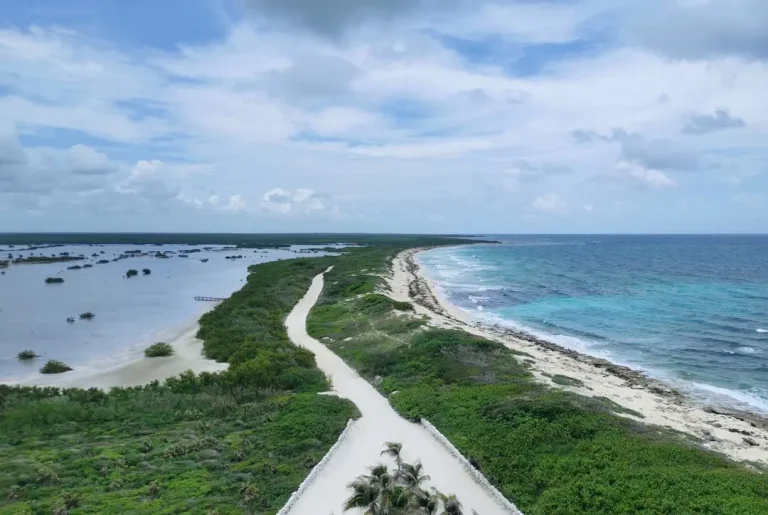
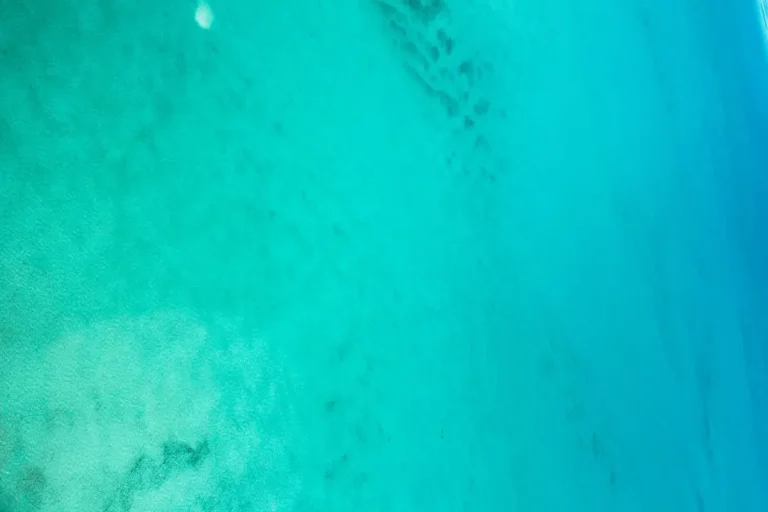
Negril sits on Jamaica’s western coast, a stretch of beach town that has evolved considerably over the past few decades. The reef system here runs parallel to shore, close enough that you can access decent snorkeling without venturing far into open water. This proximity is both a practical advantage and a source of the reef’s particular character – it’s well-trafficked, well-known, and shaped by consistent human interaction.
When you first arrive at a snorkeling departure point in Negril, the scene feels familiar if you’ve done this elsewhere in the Caribbean. Boats cluster near the beach, operators call out to passersby, and the water looks inviting in that particular turquoise way that makes you want to get in immediately. The reality of the experience, though, depends heavily on timing, weather, and which section of reef you actually visit.
The Reef Itself and What You’ll See
Negril’s coral formations are not pristine, and that’s worth understanding before you go. The reef has experienced significant stress over decades – from boat traffic, anchor damage, coastal development, and warming water. You’ll see coral, certainly. Brain coral, staghorn fragments, and some healthy elkhorn sections exist, particularly if you venture to the outer edges. But the dominant impression is of a reef in recovery, with patches of healthy growth interspersed with bleached sections and areas where coral has given way to algae and rubble.
Fish life remains reasonably abundant. Parrotfish, surgeonfish, snappers, and groupers are common. You’ll see small schools of jacks and occasionally larger predatory fish. Spotted eagle rays appear regularly, and if you’re patient and quiet, you might encounter sea turtles, though they’re less common than they once were. The biodiversity is real, but it’s not the explosion of color and density you might see at pristine reefs in less-visited parts of the Caribbean.
The snorkeling depth varies. Most tour operators stick to areas between 15 and 30 feet, which means you’re looking down at coral formations rather than swimming directly through them. This is manageable for most swimmers, but it also means you’re observing rather than immersed. The water clarity fluctuates seasonally. During the dry season (roughly November through April), visibility can reach 80 to 100 feet on calm days. In the wetter months, particularly September and October, visibility drops to 30 to 50 feet, and the water takes on a slightly greenish tint from runoff.
Check real traveller reviews, prices, availability, departure points, and flexible booking options in one place.
Boat Tours and the Logistics of Getting There
Most snorkeling tours depart from the main beach area or from the marina. The boats themselves are typically 30 to 50 feet, designed to carry 20 to 40 people. On busy days, you’ll be packed in with other tourists, which affects the entire experience. You spend the first 10 to 15 minutes motoring out to the reef, usually about a mile or two offshore. The ride is choppy or smooth depending on the day’s conditions and swell direction.
Tour operators typically give you 45 minutes to an hour in the water, though the actual snorkeling time is often less because of entry and exit procedures. You’re given a briefing on the boat – stay together, don’t touch the coral, watch for currents. Most operators are professional and safety-conscious, though the quality of instruction varies. Some guides are genuinely knowledgeable about the reef ecosystem; others are simply boat handlers.
The cost typically ranges from $40 to $70 per person for a half-day tour, sometimes including lunch or drinks. Prices are negotiable if you book directly from the beach rather than through your hotel, though the difference is often minimal. Tours usually run in the morning, departing around 9 or 10 AM and returning by early afternoon. This timing is deliberate – the water is calmer in the morning, and you avoid the afternoon heat and potential afternoon winds.
When Conditions Matter Most
The experience of snorkeling in Negril changes dramatically depending on when you visit. The winter months (December through March) bring the most predictable conditions. The water is cooler – around 78 to 80 degrees Fahrenheit – but visibility is excellent and winds are generally moderate. Crowds are heaviest during these months, particularly around holidays and spring break.
Summer and early fall are warmer but less predictable. Water temperatures climb to 82 to 84 degrees, which feels pleasant but can accelerate coral bleaching during heat stress events. Afternoon thunderstorms are common, and they can churn up the water quickly. If you’re visiting during hurricane season (June through November), you’ll want to monitor weather closely. Tours may be cancelled on rough days, and when they do operate, the experience can be uncomfortable.
The tide matters more than many casual snorkelers realize. Negril’s reef is affected by tidal movement, and certain times of day offer better visibility and easier navigation. Most tour operators know this and schedule accordingly, but if you’re booking independently, morning departures are generally safer and clearer than afternoon ones.
What Sets Negril Apart from Other Caribbean Reefs
Negril’s reef system is accessible and convenient, which is both its strength and its limitation. You don’t need to travel far, the boats are readily available, and the infrastructure is straightforward. But this accessibility means the reef receives constant pressure. You’ll notice this in subtle ways – the abundance of sea urchins (a sign of reef imbalance), the absence of larger predatory fish that would be present in less-visited areas, and the general sense that this is a working reef, not a pristine one.
The reef does have character, though. The shallow sections near shore are warmer and more turbid, dominated by seagrass beds and small coral heads. As you move deeper, the formations become more substantial. The outer edge, where the reef drops off into deeper water, is where you’ll find the healthiest coral and the most interesting fish behavior. Tour operators who take time to position you at these outer sections provide a noticeably better experience than those who stay in the shallower, busier areas.
Practical Realities for Your Visit
Bring your own snorkel gear if you have it. Rental equipment from tour operators is functional but often poorly maintained. A mask that doesn’t seal properly ruins the experience. Reef shoes or water booties are worth considering – the shallow areas have sharp coral and sea urchins, and even careful swimmers occasionally step on something.
Sun protection is essential. The water reflects UV rays intensely, and you’ll spend hours exposed. Reef-safe sunscreen is important – the chemicals in standard sunscreen damage coral. Many tour operators now provide or require reef-safe options, but verify this before you book.
The experience feels different depending on your expectations. If you’re comparing Negril to pristine reefs in remote locations, you’ll be disappointed. If you’re looking for accessible snorkeling with reasonable biodiversity and a functioning reef ecosystem, you’ll find it. The reef is real, the fish are there, and the experience is worthwhile. It’s just not extraordinary, and understanding that distinction shapes how you approach the visit.
Compare top-rated tours, prices, availability, and real traveller reviews before booking. See what’s actually available for your dates and departure location.
Compare tours and check availability