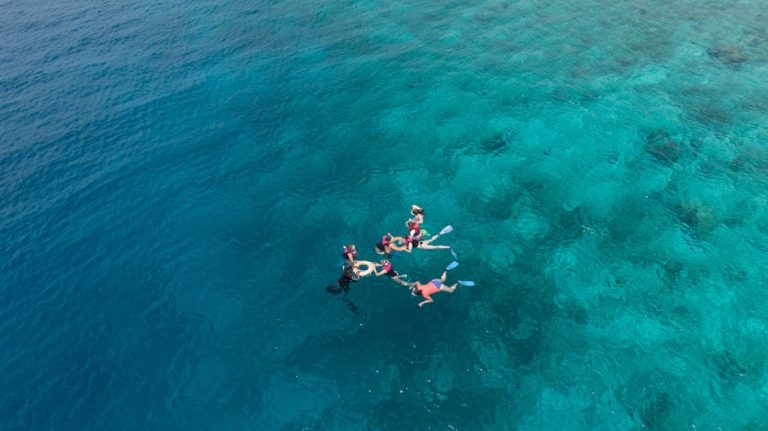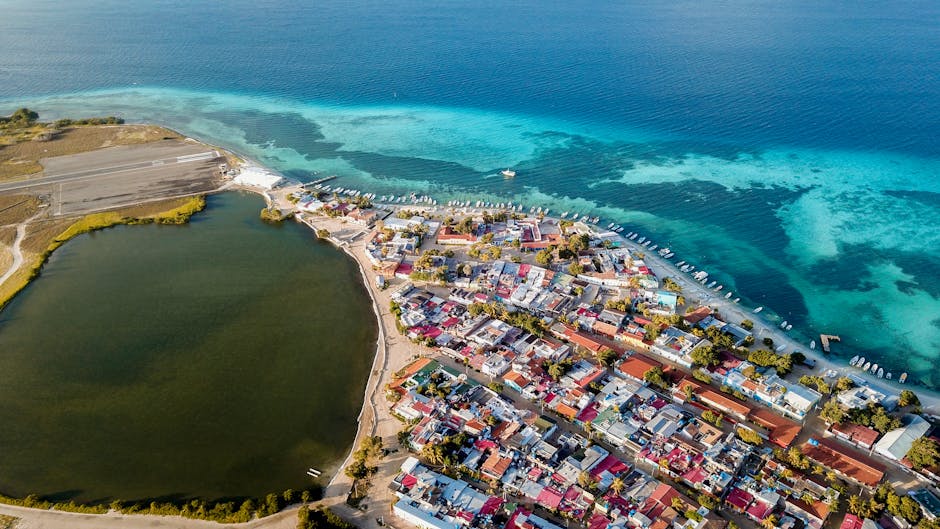
Buccoo Reef sits off the southwestern coast of Tobago, a short boat ride from the fishing village of Buccoo. It’s not a secret anymore, if it ever was. On any given day between November and April, you’ll find yourself sharing the shallow water with dozens of other visitors, their snorkels pointed downward, their shoulders already pink from the sun. The reef itself is modest in scale – nothing like the sprawling systems you might encounter in other parts of the Caribbean – but it holds enough coral and fish life to justify the trip, especially if you time it right.
The experience typically begins at one of the boat operators’ stands near the village. These aren’t organized tour companies with booking websites and email confirmations. They’re local men with boats, collecting passengers until they have enough to make the journey worthwhile. You’ll wait anywhere from fifteen minutes to an hour depending on how many tourists are around. The boats themselves are functional, open-sided, and designed to move quickly through shallow water. If you’re prone to seasickness, the ride out isn’t long enough to be a real problem, but the water can be choppy depending on the day.
The Reef and What You’ll Actually See
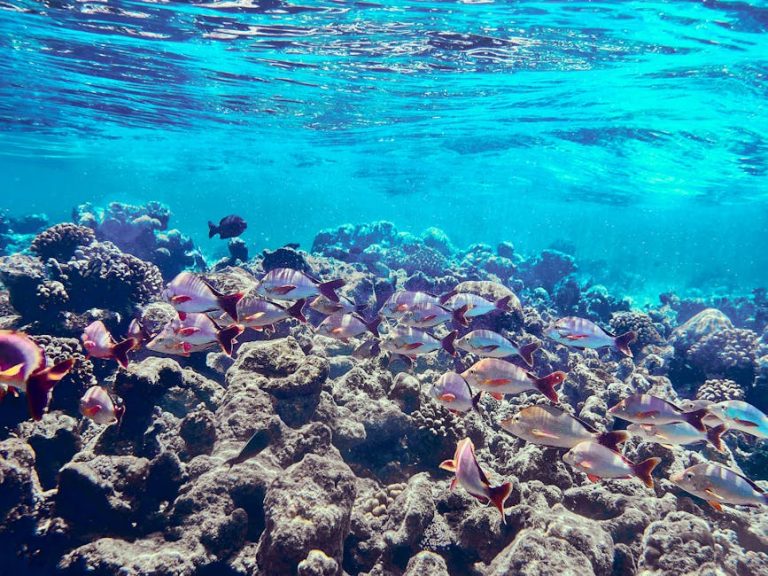
Buccoo Reef is shallow – typically four to eight meters at its deepest points. This means you can see the bottom clearly on most days, which is both an advantage and a limitation. The visibility depends heavily on tide and recent weather. During calm, dry periods, the water clarity is excellent. After rain or during certain tidal phases, sediment clouds the water noticeably. The reef structure itself consists of scattered coral formations, patches of sand, and areas where fish congregate. Brain coral, staghorn coral, and various soft corals are present, though you’ll notice the reef shows signs of stress in places – some bleaching, some damage from anchors and careless visitors.
Fish life is predictable rather than spectacular. You’ll see parrotfish, surgeonfish, snappers, and small groupers. Occasionally a larger fish passes through, but this isn’t a destination where you’re likely to encounter rays or sharks. The reef has been visited by thousands of people, and the marine life has adapted accordingly. Fish are accustomed to humans and not particularly shy, but they’re also not as abundant or bold as they would be in less-visited areas. The snorkeling itself requires minimal effort – the water is warm year-round, and the shallow depth means you’re not fighting buoyancy or pressure.
Nylon Pool and the Sandbar Reality
Nylon Pool is the second stop on most reef tours. It’s a shallow sandbar area in deeper water, roughly a kilometer from the reef. The name comes from the water’s clarity – supposedly so transparent it looks like you’re floating on nylon rather than water. This is accurate on the right days. The sandbar itself is a natural formation of white sand that appears almost surreal against the deep blue water surrounding it. It’s only a meter or so deep, and you can stand comfortably while the ocean stretches around you in all directions.
The appeal is partly visual and partly the novelty of standing in the open ocean on solid ground. Photographers love it. The reality involves crowds, though. During peak season, Nylon Pool becomes congested quickly. Boats arrive in waves, disgorging thirty or forty people at a time onto a sandbar that feels intimate when you’re alone but cramped when it’s full. The water clarity that makes it special also means you’re acutely aware of how many people are in the water around you. If you’re hoping for a quiet moment to float and absorb the surroundings, you’ll need to arrive very early or visit during the shoulder season.
Timing and Seasonal Patterns
The dry season runs roughly from December through April. This is when the water is clearest, the weather most predictable, and the crowds largest. If you visit during this window, expect other tourists. Boats run frequently, and you won’t have trouble finding passage to the reef. The trade-off is that the experience feels more commercial and less peaceful.
The wet season, from June through November, brings afternoon rain, higher humidity, and rougher seas on some days. Visibility can be compromised, and boat schedules become less reliable. But the crowds thin considerably. If you visit in September or early October, you might find yourself sharing the reef with far fewer people. The water is still warm, and the reef is still there. What changes is the atmosphere – it feels less like a tourist circuit and more like an actual place.
Early morning visits, regardless of season, offer a different experience than midday. The light is softer, the water feels calmer, and you’re more likely to encounter the reef before the daily influx of visitors. If you can arrange a boat to leave by 7 a.m., you’ll spend your first hour in relative solitude. By 10 a.m., the situation changes noticeably.
Practical Considerations That Matter
Bring reef-safe sunscreen if you’re planning to spend several hours in the water. The sun reflects off the shallow water and the sand, and you’ll burn faster than you expect. A rash guard or lightweight shirt offers better protection than sunscreen alone and reduces the amount of chemicals entering the water. The boat operators don’t provide shade, so bring a hat or accept that your head will get very hot.
The water temperature hovers around 26 – 28°C year-round, which is warm enough that most people don’t need a wetsuit, but some find the water cool if they stay in for extended periods. A thin rash guard serves double duty as sun protection and insulation.
Expect to spend three to four hours total on the boat tour, including travel time and stops at both the reef and Nylon Pool. The boat operators typically spend forty minutes to an hour at each location, though this varies. If you’re prone to fatigue or have limited mobility, the combination of boat time, sun exposure, and water activity can be more demanding than it sounds.
What Separates a Good Visit From a Mediocre One
The difference often comes down to weather and tide. A calm day with good visibility and a favorable tide creates an entirely different experience than a day when the water is cloudy and the swell is up. You can’t predict this perfectly, but checking local conditions the day before and being willing to reschedule if necessary improves your odds significantly.
Choosing a boat operator matters too, though it’s difficult to distinguish them beforehand. Some prioritize safety and take their time. Others rush through to maximize passenger numbers. Local hotels and guesthouses can point you toward operators with better reputations, and it’s worth asking other travelers what their experience was like.
The reef and sandbar themselves are what they are – modest, accessible, and pleasant to visit. They’re not transformative experiences, and they don’t compare to larger reef systems elsewhere in the Caribbean. But they’re also not overhyped if you approach them with realistic expectations. The water is warm, the marine life is present, and the sandbar genuinely does look like you’re standing on glass. For a half-day activity while you’re in Tobago, it works well. For the centerpiece of a Caribbean trip, you might want to explore other options.