The Great Barrier Reef sits about 50 kilometers off the coast of Queensland, Australia, and the moment you commit to visiting, you face a choice that shapes the entire experience. You can take a standard day tour from Cairns or Port Douglas for under $200, or you can spend three to five times that amount on a luxury vessel, private guide, or island resort experience. The difference between these options is not merely comfort – it’s fundamentally about what you actually see, how you see it, and whether the reef itself feels accessible or distant.
I’ve done both. The standard tours pack 300 people onto a catamaran, drop you at a platform, and give you four hours to snorkel before heading back. The luxury experiences promise smaller groups, better timing, and closer encounters with the reef ecosystem. But “promise” and “delivery” are not always the same thing on the water.
What Luxury Actually Means Out Here
Luxury on the reef breaks into a few categories. There are the high-end day tours that operate smaller boats with 40 to 80 passengers instead of 300. There are the island resorts – places like Lizard Island or Heron Island – where you sleep on the reef and have access to diving and snorkeling at dawn and dusk when the water is clearest and the light is best. And there are the liveaboard dive vessels, which cost $3,000 to $6,000 per person for three to four days and cater almost entirely to certified divers.
The small-group day tours from Port Douglas or Cairns typically cost $350 to $500. What you get is fewer people at the moorings, a guide who might actually know your name, and sometimes a bit more flexibility with timing. The boat itself is usually more comfortable – better shade, quieter, less crowded toilets. But here’s the reality: you’re still visiting the same reef sections as everyone else. The popular mooring sites get hammered by boats all day. The coral is resilient but worn. The fish have learned to ignore humans.
Island resorts change the equation. A night at Lizard Island costs $400 to $800 per person, and you can add diving packages on top. The advantage is timing. You can snorkel or dive at 6:30 in the morning when the reef feels almost empty and the light is clean and blue. You can go again at 4 p.m. when day-trippers are already heading back to the mainland. The water clarity is often better in early morning – less boat traffic stirring up sediment, less sun glare on the surface. The reef itself doesn’t change, but the experience of being there does.
The Liveaboard Question
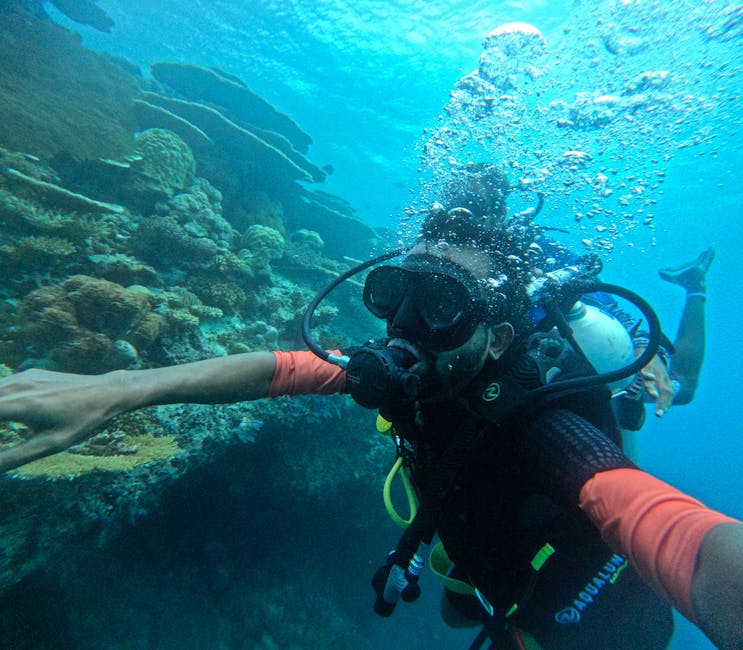
Liveaboards are a different animal entirely. You’re on the boat for three or four days, diving multiple times daily, often at sites the day-trip boats never reach. The Ribbon Reefs, the Coral Sea, and the outer reef sections are where the real biodiversity lives. If you’re a diver, this is where the expense actually justifies itself. You’ll see sharks, rays, turtles, and coral formations that look genuinely untouched.
But liveaboards are not for everyone. You’re seasick-prone? You’ll know it by day two. You’re claustrophobic? The cabins are tight. You’re not a strong swimmer? You’ll spend a lot of time anxious. And the boats attract a specific type of traveler – divers who are serious about the activity, not casual reef-curious tourists. The social dynamic is different. People talk about dive sites and equipment, not Instagram photos.
Where the Money Actually Goes
A $500 day tour versus a $150 day tour isn’t just about comfort. Some of it genuinely is. Smaller boats have better catering, less crowding, more attentive crew. But a significant chunk of that premium goes to operational costs that don’t directly improve your reef experience. Fuel, insurance, mooring fees, staff wages – these scale with the number of boats operating, not the number of passengers per boat.
Island resorts are expensive partly because you’re paying for accommodation, not just reef access. A $600 night at Lizard Island includes a bed, meals, and a guide. But you’re also paying for isolation and scarcity. There are only so many rooms on the island. The supply is limited, so the price is high. Whether that justifies the cost depends on whether you value solitude and timing over raw reef quality.
Liveaboards are the most transparent about costs. You’re paying for the boat, the crew, the fuel, the guides, and the access to remote sites. A $4,000 four-day trip breaks down to about $1,000 per day, which includes accommodation, meals, diving, and fuel. That’s not unreasonable for what you’re getting, but it’s only worth it if you’re a diver and you’re going to use that boat for what it’s designed to do.
When Luxury Matters and When It Doesn’t
The reef itself doesn’t care how much you paid to see it. A moray eel in a coral crevice looks the same whether you arrived on a $150 boat or a $500 boat. The coral bleaching that happened in 2016 and 2020 affected the entire reef, not just the budget sections. Some of the best snorkeling I’ve experienced on the Great Barrier Reef happened on a standard day tour with mediocre catering and 250 other people.
But timing and access matter more than most travelers realize. If you can snorkel at dawn, before the crowds, you’ll see more fish and have a calmer experience. If you can dive the outer reef instead of the inner reef, you’ll see more biodiversity. If you can spend three days on the water instead of four hours, you’ll understand the ecosystem better. These things cost money, but they’re not luxuries in the traditional sense – they’re practical advantages that genuinely improve what you learn and see.
The island resorts deliver this advantage. You pay for accommodation, but you also get timing and access. Heron Island, which sits directly on the reef, is particularly good for this. You can walk out to the reef at low tide. You can dive at dawn. You can snorkel at dusk. The premium you pay is partly for the bed, but partly for the schedule.
The Honest Assessment
If you’re a casual snorkeler visiting for a day, the luxury tour is probably not worth the extra $300 to $400. You’ll see similar coral and fish. You’ll get tired in the same way. The main difference is fewer people and better food, which is nice but not transformative. A standard day tour gets you to the reef, and that’s what matters.
If you’re staying in the area for several days and can do multiple visits, an island resort makes more sense. The extra cost is partially offset by the ability to visit at better times. You’ll have a genuinely different experience in the early morning than you will at noon.
If you’re a diver, a liveaboard is worth serious consideration. The outer reef sites are genuinely different from the inner reef. The coral is healthier, the fish are less habituated to humans, and the experience feels more like exploration than tourism. But it’s a significant commitment of time and money, and it only pays off if you’re actually going to dive.
The Great Barrier Reef is worth visiting, full stop. Whether you visit it in luxury or on a budget matters less than actually going. But if you’re asking whether the premium experience is worth the splurge, the answer depends on what you value. If you want comfort and fewer people, yes. If you want better timing and access, yes. If you want to see something fundamentally different, maybe not. The reef itself doesn’t change. What changes is how you experience it, and whether that’s worth the cost is a question only you can answer.