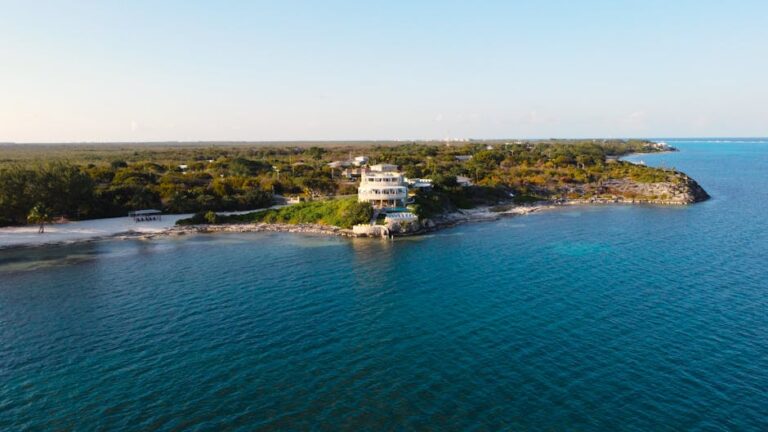
Orpheus Island sits in the Coral Sea off the Queensland coast, roughly 90 kilometers north of Townsville. It’s one of those places that exists in the shadow of more famous reef destinations, which means the island itself remains relatively quiet. The lack of crowds isn’t accidental – the island has limited accommodation and no day-tripper infrastructure, which naturally filters out the casual visitors who descend on other reef islands by the hundreds each day.
Most people heading to the Great Barrier Reef never consider Orpheus. They book Cairns, or they take a ferry to one of the islands with resorts and restaurants and scheduled tours. Orpheus requires more intentional planning. You need to arrange transport from the mainland, commit to staying overnight, and accept that your options for dining and activities are limited to what the island itself offers. This isn’t a drawback if you understand what you’re actually looking for.
The island itself is small – only about 5 square kilometers. It’s mountainous relative to other reef islands, with rocky outcrops and vegetation that gives it a different character than the flat, sandy atolls further north. The landscape feels less tropical resort and more like an actual island that happens to have a small number of visitors. The beaches are modest, not the sweeping expanses you might imagine from brochure photos. The real draw is the water and what lies beneath it.
The Reef Around Orpheus
The coral formations surrounding the island are genuinely excellent. This is part of the Great Barrier Reef system, but the specific reef structures here are less visited than the popular dive and snorkel sites near Cairns or the Whitsundays. The coral coverage is healthy, and the fish populations are robust. You’ll see schools of parrotfish, groupers, snappers, and smaller reef fish in numbers that suggest they’re not being harassed by constant boat traffic.
Snorkeling from the beaches is viable, though the experience depends heavily on tide and conditions. The water clarity fluctuates with seasonal patterns and weather. During the dry season, roughly May through September, the water tends to be clearer and calmer. The wet season brings warmer water but also increased cloud cover, runoff from rivers, and occasional rough conditions. If you visit during the transition months – April or October – you might catch decent conditions without the peak-season heat and humidity.
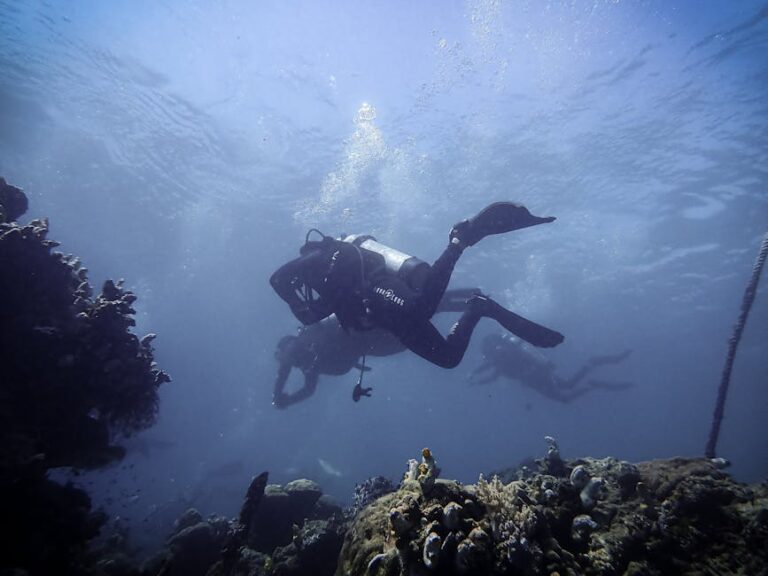
Diving is the primary activity for serious reef explorers. The island has a small dive operation that runs trips to nearby sites. The dives are shorter boat journeys than what you’d experience from Cairns, and the sites themselves see far fewer divers. This translates to less disturbance and, often, more relaxed marine life. The depth ranges and site variety suit both recreational and more experienced divers.
Getting There and Staying
Transport to Orpheus requires a boat from Townsville or a helicopter from Cairns. The boat journey takes roughly 90 minutes to two hours depending on sea conditions. This isn’t a quick hop – it’s a genuine crossing that you feel. If you’re prone to seasickness, rough days can be uncomfortable. The helicopter option is faster but significantly more expensive and requires coordinating schedules.
Accommodation is limited to a single resort property on the island. This means you can’t shop around for prices or styles. You either book the resort or you don’t visit. The resort itself is modest and oriented toward divers and couples seeking quiet time rather than families or party groups. The rooms are functional rather than luxurious. The dining is included with accommodation but operates on fixed schedules – you eat when the resort serves meals, not when you feel hungry.
This constraint is actually part of why Orpheus remains quiet. The limited capacity and single accommodation option create a natural ceiling on visitor numbers. The island never feels crowded because it can’t accommodate crowds. On any given day, you might share the island with 30 to 50 other guests. Compare that to popular reef islands that host hundreds daily, and the difference in atmosphere becomes immediately obvious.
The Actual Experience of Being There
Early mornings on Orpheus feel genuinely isolated. The light comes up over the water, and there’s minimal human activity. If you’re awake before the scheduled breakfast, you have the beaches almost entirely to yourself. The bird life is active – sea eagles, herons, and smaller reef birds. The water is usually calm in the early hours, which is the best time for snorkeling if you’re planning to do it independently.
By mid-morning, the resort’s organized activities are underway. Dive boats depart, snorkel groups head out, and the small population of guests becomes more visible. But even then, the island doesn’t feel busy. There’s no queuing, no competition for space, no sense of being part of a crowd. The pace is slow. People move between the beach, the resort, and the water without any particular urgency.
Afternoons tend to be quiet as well. Many guests rest after morning activities, and the heat discourages much movement during the hottest hours. The water temperature is warm year-round, so swimming is always possible, but the appeal of a cool drink and shade often wins out. By evening, guests gather for dinner at the resort’s communal tables. This is where you actually interact with other visitors, and the conversations tend to be substantive rather than superficial – people are there for the reef, not for the social scene.
What to Expect in Terms of Wildlife
The marine life around Orpheus is substantial but not exotic in the way some travelers imagine. You’ll see reef fish, sea turtles occasionally, and if you’re lucky, larger pelagics. Sharks are present but rarely encountered in the shallow snorkel zones. The reef itself is the main attraction – the coral structures, the schooling fish, the invertebrates. It’s rewarding if you’re genuinely interested in coral reef ecosystems rather than looking for dramatic wildlife encounters.
The island’s terrestrial life is limited. There are no dangerous animals. The vegetation is sparse but adequate. Insects are present, as they are on any tropical island, but they’re not overwhelming. The overall environment feels stable and low-key rather than wild or untamed.
Timing and Seasonality
The island is accessible year-round, but conditions vary significantly. The dry season offers the most reliable weather and clearest water. The wet season is warmer but brings higher humidity, occasional rough seas, and less predictable visibility. The shoulder seasons – late autumn and early spring – often provide a middle ground of decent conditions without peak-season heat.
Stinger season, roughly November through May, is a consideration. Box jellyfish and other stinging creatures are present during these months, which means swimming requires protective clothing. Many visitors avoid the island during stinger season, which means it’s even quieter, but the water conditions are also less predictable.
Orpheus Island works best for travelers who value quiet and solitude over convenience and variety. It’s not a destination for people who want multiple restaurant options, nightlife, or a packed schedule of activities. It’s a place to spend time on and around the reef, to move slowly, and to experience the Great Barrier Reef without the infrastructure and crowds that characterize more famous reef destinations. The isolation that keeps most travelers away is precisely what makes it worth visiting if you understand what you’re looking for.