Thursday Island doesn’t announce itself the way tropical destinations usually do. There’s no sweeping beach entrance, no resort corridor, no carefully manicured tourism infrastructure. Instead, you arrive by small plane or ferry into a working port town where the rhythm of the strait determines everything – tides, boat schedules, weather patterns, and the pace of daily life itself. The island sits roughly 40 kilometers north of the Australian mainland, in the Torres Strait, a body of water that separates Australia from Papua New Guinea and has been home to Indigenous Torres Strait Islander peoples for thousands of years.
What strikes you first is how the place feels lived-in rather than performed. The streets are quiet in the early morning, with fishing boats already moving through the channel. By mid-morning, the town has a functional energy – people running errands, boats being serviced, supplies being loaded. There’s none of the staged authenticity of curated island destinations. The culture here isn’t packaged for visitors; it simply exists, and visitors either engage with it genuinely or remain peripheral to it.
The Strait as a Living System
The Torres Strait itself is the real subject. It’s not a destination you visit so much as a space you pass through or inhabit temporarily. The water here is different from the clear, calm tropical seas most travelers expect. It’s tidal, sometimes murky, frequently rough, and deeply alive with movement. The strait connects different ocean systems, and that meeting creates unpredictable conditions. Visibility for snorkeling or diving varies dramatically depending on tide, season, and recent weather. During the dry season (May to October), conditions tend to be more stable, but “stable” in the strait still means respecting the water’s moods.
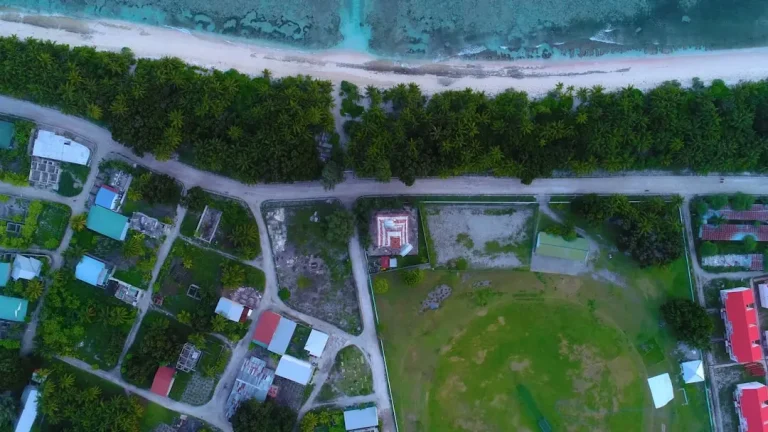
Thursday Island itself is small – roughly 3.5 square kilometers – and densely populated relative to its size. The island has been a significant maritime hub for over a century, shaped by pearling industries, military presence during World War II, and ongoing shipping traffic. That history is visible in the architecture, the cemetery, the remnants of old structures, and the way locals navigate the island’s geography. It’s not a place designed for tourism; it’s a place where tourism happens alongside everything else.
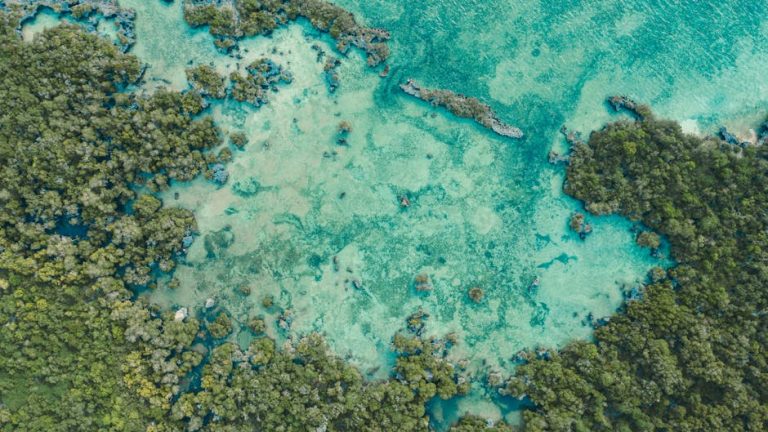
The reef systems surrounding the strait are what draw serious marine travelers. The waters hold coral gardens, but they’re not the postcard versions found further south. The reefs here are hardy, adapted to tidal extremes and variable conditions. Visibility can be exceptional on the right day, or limited to a few meters on others. Local knowledge matters enormously. Guides who understand the tides, the seasonal patterns, and which reefs are accessible when make the difference between a meaningful experience and a frustrating one.
Indigenous Culture as Context, Not Attraction
Torres Strait Islander culture is foundational to understanding the region, but it’s important to approach this understanding carefully. The islands have been home to distinct Indigenous groups for millennia, with their own languages, navigation systems, trade routes, and relationships to the sea. That knowledge is still alive in the community, but it’s not a museum exhibit or a performance piece for visitors.
The Thursday Island museum and cultural center offer some entry points into this history, but the deeper learning happens through conversation, respectful observation, and spending time in the community rather than treating it as a cultural checkpoint. Local guides who are Torres Strait Islander themselves provide context that no signage can match. The cemetery on the island tells stories of the different waves of settlement and migration – pearlers from Japan, China, and the Pacific Islands who came to work, along with the Indigenous families who have always been here.
The annual Thursday Island Show, held in July, is a genuine community event rather than a tourist spectacle. If you’re there during that time, it offers a window into how locals celebrate and connect, though it’s worth noting that the island gets noticeably busier during that period, and accommodations fill quickly.
Practical Realities of Being There
Getting to Thursday Island requires either a flight from Cairns (roughly 2.5 hours) or a ferry service that operates less frequently and takes longer. The flight is expensive relative to other Australian destinations, which naturally limits casual tourism. Once you’re there, the island has limited accommodation options – a handful of hotels and guesthouses, nothing luxurious, all functional. Food options are modest; there are a few cafes and restaurants, but you’re not arriving at a destination with diverse dining scenes. If you have specific dietary requirements, planning ahead matters.
The island itself is navigable on foot or by rental car, though distances are short enough that walking covers most places. The heat and humidity are significant, especially during the wet season (November to April), when afternoon storms are common and the air feels heavy. The dry season is more comfortable for being outside, though the strait can still be rough.
Internet connectivity is functional but not seamless. Phone service works, but data speeds can be slow. This isn’t a place where you’re constantly connected to the outside world, which some travelers find refreshing and others find frustrating. It’s worth adjusting expectations accordingly.
What Actually Draws People Here
The reef diving and snorkeling are serious draws for marine-focused travelers. The strait has numerous dive sites, and several operators run regular trips. The experience is different from the Great Barrier Reef – less crowded, more variable in conditions, and requiring more flexibility and local knowledge. Some days are spectacular; other days, weather or tides make it impossible to go out. That unpredictability is part of the reality rather than a flaw in the planning.
Birdwatchers come for the species diversity. The strait sits on migration routes, and the islands support populations that attract serious birders. The best viewing happens early morning or late afternoon, when the light is better and bird activity peaks.
Some travelers come specifically to understand the history – the World War II fortifications still visible on the island, the pearling industry heritage, the stories of the people who’ve lived and worked in the strait. That kind of learning requires time and genuine curiosity rather than a quick visit.
Others come because they’re traveling through the region and want to experience something beyond the standard tropical island circuit. Thursday Island offers exactly that – a place where the tourism infrastructure exists but doesn’t dominate, where the environment and culture are primary and visitors are secondary.
Seasonal Patterns and When to Go
The dry season (May to October) is the obvious choice for most visitors. Weather is more predictable, the strait is calmer, and outdoor activities are more reliable. July and August are the busiest months, particularly around the Thursday Island Show. Accommodation fills faster, prices are higher, and the island feels noticeably more populated.
The wet season (November to April) brings afternoon storms, higher humidity, and rougher water conditions. Cyclone season overlaps with this period, though direct hits on Thursday Island are relatively rare. Most travelers avoid this time, which means the island is quieter, accommodation is cheaper, and there’s less tourist pressure on local services. The tradeoff is that reef access becomes more weather-dependent, and you need genuine flexibility with your schedule.
The shoulder months (April-May and September-October) offer a middle ground – fewer crowds than peak season, more stable weather than the wet season, and reasonable accommodation availability.
Thursday Island exists at the edge of where most Australian tourism reaches. It’s not a destination that offers everything in one place, and it doesn’t try to be. What it offers instead is a genuine encounter with a working island community, complex cultural heritage, marine environments that demand respect and flexibility, and a landscape shaped by history and geography rather than tourism development. That’s precisely what makes it different from the more polished island destinations that dominate the travel circuit.