Airlie Beach sits on Queensland’s central coast as the unofficial gateway to the Whitsunday Islands, but most visitors arrive already committed to a predetermined experience. They’ve booked their boat tour, their snorkel trip, their resort stay. The town itself becomes merely a transition point – a place to sleep before heading out to the reef or island.
If you step away from that rhythm, Airlie Beach reveals itself differently. The town is small enough to navigate on foot, compact in a way that lets you move through it without needing a car. The main street runs parallel to the water, and most of what matters sits within a few blocks. This simplicity is actually what makes it possible to experience the place on your own terms.
The fundamental shift happens when you stop thinking of Airlie as a departure point and start treating it as a place to inhabit for a few days. The atmosphere changes depending on the time of day and the season. Early mornings feel almost quiet – locals moving through their routines, the waterfront not yet crowded with tour operators setting up for the day. By mid-morning, the energy shifts as boats load passengers and the town becomes visibly busier. By late afternoon, many of those boats have departed, and the town settles into a different rhythm.
Moving Around Without Booking Ahead
The package tour model works because it removes decision-making. You book everything in advance, show up at the right time, and follow instructions. Independent travel requires a different approach, but it’s not complicated.
Day trips to the islands and reefs don’t require advance booking, though timing matters. Boat operators run multiple departures throughout the day, and you can walk into their offices in the morning and book for an afternoon departure. This flexibility has a cost – you might pay slightly more than advance bookings, and you might not get your first choice of departure time. But you also avoid committing to a specific date weeks in advance, which matters if weather changes or your plans shift.
The water conditions and visibility vary significantly by season. During the dry season from May through September, the water tends to be clearer and the weather more predictable. The wet season from November through March brings occasional rain, higher humidity, and sometimes rougher water conditions. If you’re traveling independently, this matters more than if you’ve already paid for a fixed tour. You can check conditions in the morning and decide whether to go out or spend the day differently.
The Waterfront and Local Patterns
The Airlie Beach waterfront has a particular character that shifts throughout the day. There’s a swimming lagoon – an enclosed, netted area where you can swim without worrying about stingers or currents. It’s genuinely useful, especially during the warmer months. Early morning swimmers tend to be locals and serious swimmers. By midday, it fills with tourists between boat departures.
The restaurants and cafes along the waterfront cater heavily to tourists, which means they’re generally reliable but not particularly distinctive. You’ll find decent coffee, fresh seafood, and standard Australian cafe fare. The prices reflect the tourist economy. If you want to eat like a local, you need to move away from the water. The streets one or two blocks inland have smaller cafes and takeaway places where locals actually eat. The food isn’t fancy, but it’s cheaper and reflects what people in the town actually consume.
The town has a particular demographic skew toward younger travelers and backpackers, which shapes its atmosphere. There are bars and clubs oriented toward this crowd, and the nightlife can feel fairly lively, especially on weekends. If that’s not your scene, it’s easy enough to avoid – the town is small enough that you can find quieter spots if you look for them.
Island Days Without the Itinerary
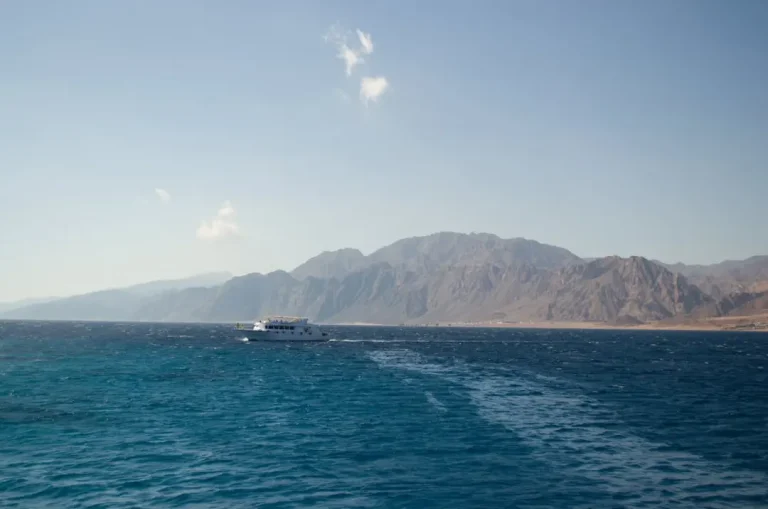
The Whitsunday Islands themselves are the actual draw, and visiting them independently means making different choices than the standard tour offers. Most package tours follow a set route – typically hitting Whitehaven Beach, snorkeling at specific reef sites, and returning by a fixed time. These routes exist because they work logistically and because they deliver what tourists expect to see.
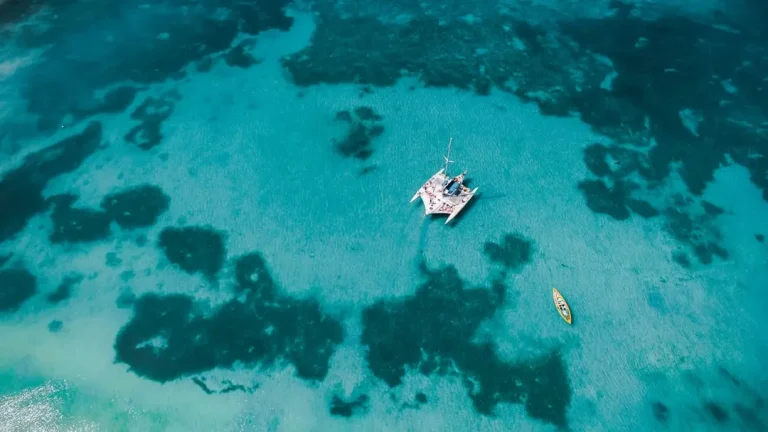
If you book a boat independently, you have more flexibility in what you actually do. Some operators will take you to less-visited islands or different snorkel sites depending on conditions and your preferences. Whitehaven Beach is genuinely striking – a long stretch of white sand and clear water – but it’s also crowded with tour boats. If you’re not attached to seeing it, there are other islands with similar qualities and fewer people.
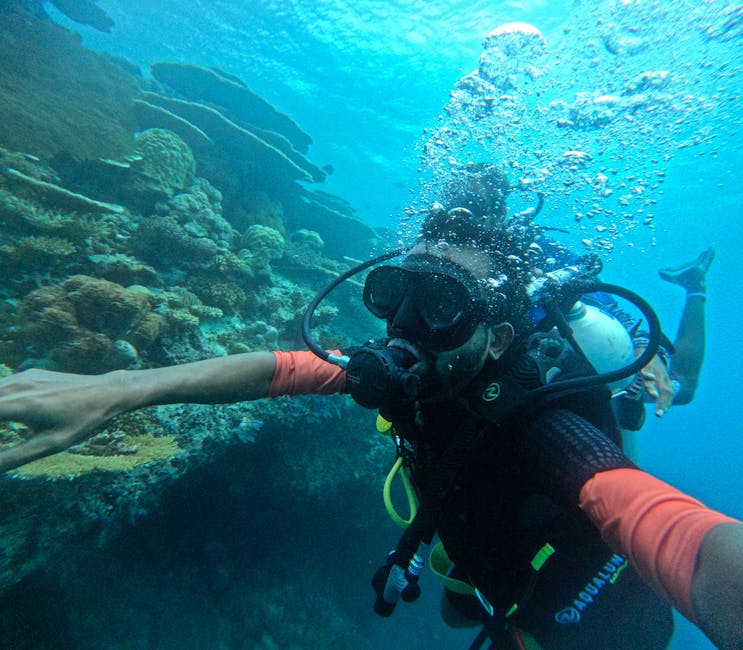
The water clarity varies by location and time of year. The reef areas around the islands can be excellent for snorkeling, with visible coral and fish life, but conditions aren’t always perfect. Visibility depends on recent weather, tides, and seasonal factors. In the dry season, you’re more likely to encounter clear water. In the wet season, visibility can be compromised by runoff and weather patterns. This isn’t something you can control, but it’s worth understanding before you go.
Spending a full day on an island is different from a tour-boat visit. If you can arrange transport to an island and stay there for several hours, you get to experience it at a different pace. The crowds thin out in late afternoon as day-trippers leave. The light changes. The place feels different when you’re not moving with a scheduled group.
Practical Realities of Independent Movement
Getting around the region without a car is possible but requires planning. Airlie Beach has local bus services, but they’re limited in frequency and coverage. Taxis and ride-sharing exist but cost more than you’d expect for short distances. Many independent travelers rent cars for a few days to explore beyond Airlie – to visit other coastal towns, national parks, or different beach areas. If you’re staying in Airlie itself and taking day trips to the islands, a car isn’t essential, but it does open up options.
Accommodation ranges from backpacker hostels to mid-range hotels to resorts. The hostels are genuinely social spaces where you’ll meet other travelers. The mid-range hotels are functional and reasonably priced. The resorts are more expensive and often cater to package-tour customers. Your choice affects how you experience the town. Staying in a hostel puts you in a different social environment than staying in a hotel, and that shapes your days.
The cost of living in Airlie is higher than inland Queensland but not extreme. Food, accommodation, and activities all reflect the tourist economy. If you’re budget-conscious, you can eat takeaway, stay in a hostel, and do affordable day trips. If you want more comfort, prices increase accordingly. Most independent travelers find it reasonable for a week or so, but it’s not a cheap destination.
Timing Your Visit
The shoulder seasons – April and October – offer decent weather without peak crowds. The dry season is more crowded and more expensive. The wet season is quieter and cheaper but comes with weather uncertainty. School holidays in Australia bring surges of domestic tourists, which affects both prices and atmosphere.
A few days in Airlie is usually enough to take a day trip or two to the islands, explore the town, and get a sense of the place. A week allows you to be more selective about which days you go out on the water and gives you time to move at a slower pace. More than a week, and you’re either repeating experiences or exploring the broader region.
The reality of Airlie Beach independent travel is that it requires more decision-making than a packaged tour but offers more flexibility and a different kind of experience. You’re not following a predetermined path. You’re moving through a real town, interacting with actual operators and locals, and making choices based on conditions and your own preferences. It’s slower, less efficient, and sometimes less predictable. For many travelers, that’s exactly the point.